
Acrylic Nails Price Guide: What You’ll Pay

Acrylic Nails Price Guide: What You’ll Pay

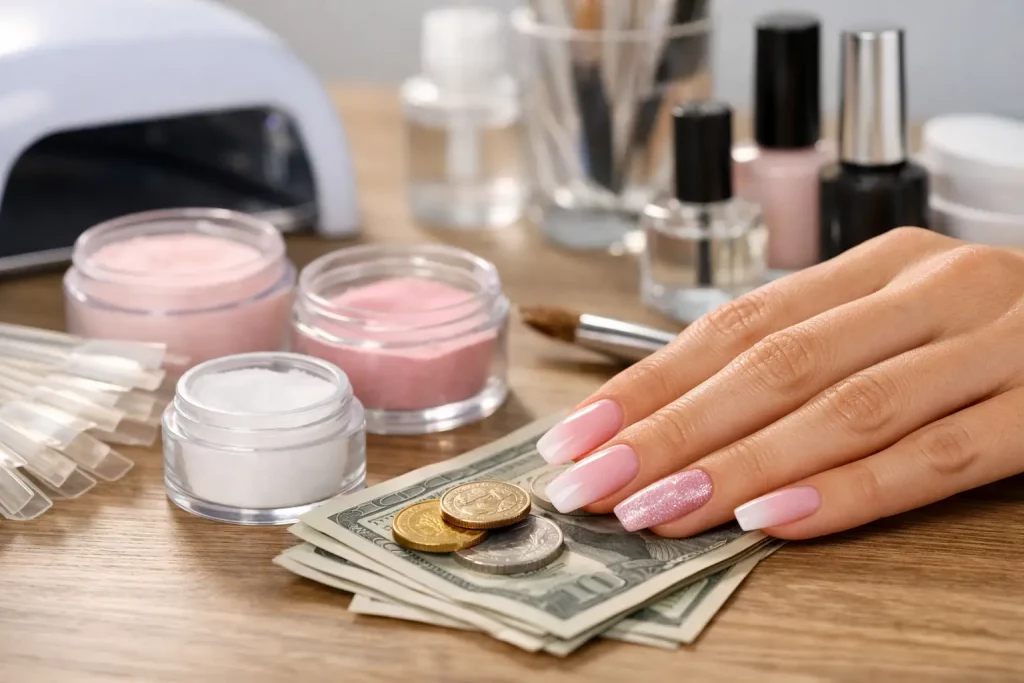
One set of acrylics can cost £25, while another lands closer to £55 before nail art, infills or repairs are added. That is why an acrylic nails price guide matters. If you want polished, long-lasting nails without any surprises at the till, it helps to know what is actually included, what pushes the price up, and where spending a bit more can give you a better finish.

Acrylic nails are popular for a reason. They add length, strength and a clean, event-ready look that works whether you want a simple nude set or full glam. But prices are rarely one-size-fits-all. The final cost depends on the salon, the nail technician’s experience, the shape and length you choose, and how detailed you want the design to be.

Acrylic nails price guide: typical UK costs

For a basic full set of acrylic nails in the UK, most clients can expect to pay between £25 and £45. This usually covers standard prep, acrylic application, shaping and a simple polish or single colour finish. If you are booking in a city salon, choosing a highly experienced technician, or opting for premium products, prices can move beyond that range.

If you want extras, the total rises quickly. French tips, ombré, chrome, glitter, gems and hand-painted nail art are usually charged on top. Longer lengths and more complex shapes such as coffin, stiletto or ballerina can also increase the price because they take more time and product.

Infills are normally cheaper than a fresh set and often sit around £20 to £35. That makes maintenance more manageable if you plan to keep your acrylics looking fresh every two to three weeks. Removal is another separate cost in many salons, often around £10 to £20 depending on whether the acrylics were applied there and how much work is needed.

What affects acrylic nail prices?

The biggest factor is time. A straightforward short square set in one colour is much faster than a long almond set with chrome, crystals and detailed art on every finger. More time means a higher appointment price.

Experience matters too. A skilled technician who delivers strong structure, clean cuticle work and smooth finishing may charge more, but that extra cost often shows in how the nails wear. Cheaper acrylics that lift early, feel bulky or damage the natural nail can end up costing more when you need repairs or a complete re-do.

Location also plays a part. Prices in larger cities and busy beauty areas are often higher because rent, staffing and demand are higher. In places like Manchester, you may see a broad range, from budget nail bars to full-service salons offering a more tailored appointment and premium finish.

Product quality is another hidden factor. Better acrylic systems, quality files, proper prep products and good hygiene standards all affect the salon’s costs. Clients do not always see those details straight away, but they make a difference to retention, comfort and the condition of your natural nails afterwards.

Full set, infills and removal

A fresh full set is your starting point if you are new to acrylics or replacing an old set completely. This is the highest upfront cost because it includes the full build from scratch. If you like to keep your nails looking flawless all month, you then need to budget for infills.

Infills are usually needed every two to three weeks, depending on how quickly your nails grow and how carefully you wear them. If you leave it too long, the structure can become unbalanced, which makes breakage more likely. Regular infills can feel like an extra expense, but they are often more cost-effective than repeatedly removing and replacing the whole set.

Removal should never be an afterthought. Proper salon removal protects the natural nail far better than picking, forcing or over-filing at home. If you are planning acrylics for a holiday, wedding or party season only, make sure you include removal in your budget from the start.

Cheap vs premium acrylics

Lower prices can be tempting, especially if you just want a quick set for a night out. Sometimes a budget set is perfectly fine for short-term wear. But there is usually a reason some appointments cost more.

A premium service often includes better prep, more precise shaping, stronger structure and a neater finish around the cuticle. It may also mean a cleaner, more relaxing appointment and more attention to what suits your hands and lifestyle. If you type all day, work with your hands or want nails that still look polished after two weeks, quality matters.

That does not mean the most expensive option is automatically the best. It means value is about more than the number on the price list. A slightly higher price can be worth it if the nails last well, feel comfortable and need fewer emergency fixes.

When higher prices are worth paying

There are a few times when paying more makes sense. The first is for special occasions. If your nails need to look perfect for a wedding, birthday, holiday or big event, this is not the moment to gamble on a rushed appointment.

The second is if you want a detailed design. Intricate art takes real skill and patience. Clean French tips, smooth baby boomer blends, chrome finishes and hand-painted details all look easy until they are done badly.

The third is if your natural nails are weak or damaged. A more experienced technician is often better at advising on length, structure and maintenance so your nails look glamorous without unnecessary stress on the natural nail underneath.

How to budget for acrylic nails properly

The smartest way to budget is to think beyond the first appointment. A set that costs £35 may actually become £65 or more once you add design, infills and removal across the month. That is not a problem if you plan for it, but it catches people out when they focus only on the starting price.

Before booking, ask what is included. Does the price cover gel polish on top of the acrylic? Are repairs free within a certain timeframe? Is removal priced separately? Can nail art be quoted in advance? Clear answers make it much easier to compare salons fairly.

It also helps to be honest about your maintenance habits. If you know you are unlikely to return every two to three weeks, super long acrylics may not be the best choice. A shorter, simpler set may give you a better balance of cost, wear and appearance.

Acrylic nails price guide for different styles

Style makes a real difference to cost. Short natural-looking acrylics are usually at the lower end of the price scale because they require less product and less shaping. Medium or long lengths generally cost more, and statement shapes often come with an added fee.

Finish matters as well. A plain block colour is usually the most affordable option. French tips, glitter fades, ombré and chrome tend to sit in the middle. Full nail art, 3D details and crystal-heavy looks are usually the premium end because they turn a standard treatment into a custom design service.

If you want a luxury look without the highest price, keep the shape simple and add detail to one or two accent nails rather than all ten. You still get that polished, glamorous result, but with a more manageable bill.

Questions to ask before you book

It is worth asking how long the appointment will take, what aftercare is recommended and how soon infills are usually needed. You can also ask whether the technician works with overlays, extensions or both, as this may affect the price and the final look.

If hygiene, product quality and finish are important to you, ask about prep and removal too. A salon that takes those details seriously is usually thinking about long-term nail health as well as the final photo-ready result.

For clients who want beauty maintenance that feels easy rather than stressful, a full-service salon can be a smart choice. If you are already booking hair, brows, lashes or event prep, having your nails done in the same place saves time and keeps your whole look consistent.

Acrylic nails are not just a beauty spend. For many clients, they are part of feeling polished, put together and ready for anything from everyday work to last-minute plans. The right price is not always the cheapest one. It is the one that gives you the finish, wear and confidence you actually want – so if you are ready for a fresh set, book with clear expectations and enjoy the transformation.
How Long Do Hair Extensions Last?

How Long Do Hair Extensions Last?

Fresh extensions can make your whole look feel different – fuller lengths, more volume, better shape, and that polished finish that makes getting ready easier. But once you have them in, the big question is always the same: how long do hair extensions last? The honest answer is that it depends on the method, the quality of the hair, and how well they are looked after between salon visits.

If you are investing in hair extensions, you want them to stay soft, secure, and glamorous for as long as possible. Some methods are ideal if you want a quick change for a weekend or event. Others are designed for longer-term wear and regular maintenance. Knowing the difference helps you choose the right option for your lifestyle, budget, and styling routine.

How long do hair extensions last by type?

Not all extensions are built for the same kind of wear. The lifespan can vary from a single day to several months, and that is before we even factor in home care.

Clip-in extensions are the shortest-term option. These are designed to be put in and taken out at home, so the actual hair can last anywhere from six months to a year or even longer if you use them gently and do not over-style them with heat. They are perfect if you want extra volume for nights out, weddings, birthdays, or a one-off glam moment without committing to a fitted method.

Tape-in extensions usually last around six to eight weeks before they need to be removed and refitted. The hair itself can often be reused several times if it is good quality and has been properly maintained. This makes tape-ins a popular choice for clients who want a sleek, natural finish without daily removal.

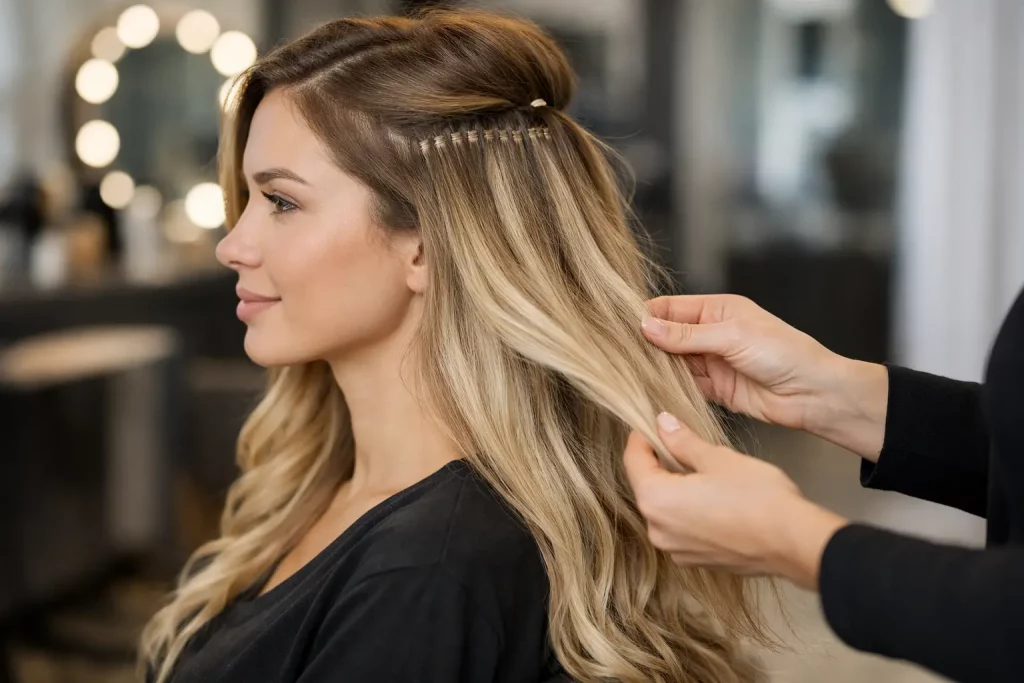
Nano ring and micro ring extensions tend to last around eight to twelve weeks before maintenance is due. Because your natural hair keeps growing, the rings move further away from the scalp over time, so they need repositioning. With the right aftercare, the extension hair can often be reused at maintenance appointments.

Keratin bond or fusion extensions are often worn for around three to four months. These are bonded strand by strand, which gives a discreet finish and plenty of movement. They are a favourite for clients who want a more seamless, longer-lasting transformation, but they do need careful brushing and good product choices to stay looking their best.

Ponytails, fringes, buns, and other temporary hair pieces can last for many months with occasional wear. These are ideal if you like flexibility and want instant impact without a full extension fitting.

What affects how long hair extensions last?

The method matters, but it is not the only factor. Two clients can have the same extension type fitted on the same day and get very different wear from them.

Hair quality makes a huge difference. Premium human hair generally lasts longer, blends better, and responds more naturally to styling. Lower-quality hair can become dry, tangle more easily, and lose its smooth finish much sooner. If you want extensions that still look luxurious weeks down the line, quality is where you do not want to cut corners.

Fitting also matters more than many people realise. Extensions need to be applied evenly, with the right spacing and tension for your natural hair. A rushed or poor-quality fitting can lead to slipping, tangling, discomfort, or unnecessary strain on the hair. A professional consultation helps make sure the method suits your hair type rather than just the look you want on the day.

Your lifestyle plays a part too. If you wash your hair frequently, use heated tools most days, go to the gym often, or swim regularly, your extensions may need more attention. That does not mean you cannot have them – it just means aftercare becomes even more important.

Natural hair growth is another key reason extensions do not last forever in one fitting. Even if the extension hair still looks great, the attachment points move down as your own hair grows. That is why maintenance appointments are essential for semi-permanent methods.

How to make hair extensions last longer

If you want your extensions to stay soft, glossy, and full for as long as possible, aftercare is everything. This is where the real value of your appointment is protected.

Brushing gently is one of the biggest habits to get right. Use a brush designed for extensions and work from the ends upwards while supporting the roots. Tugging from top to bottom can pull on the attachment points and cause unnecessary shedding.

Washing needs a little more care too. Keep products sulphate-free where possible, avoid anything too heavy in oils near bonds or tapes, and make sure you rinse thoroughly. Product build-up can affect how the extensions sit and can shorten the life of certain methods.

Drying your hair properly matters. Going to bed with damp extensions is one of the fastest ways to create tangling and matting, especially at the nape of the neck. Dry the roots and attachment areas fully after washing, then loosely tie or braid the hair before sleep.

Heat styling is fine in moderation, but repeated high heat can dry the hair out. Extensions do not receive natural oils from the scalp in the same way your own lengths do, so they need more protection and a little less punishment. A heat protect spray and lower temperature settings can make a noticeable difference.

Regular maintenance appointments are not optional if you have a fitted method. They keep the extensions secure, tidy, and comfortable, and they give your stylist a chance to check the condition of your natural hair at the same time.

When should hair extensions be replaced?

There is a difference between refitting extensions and replacing them completely. Some methods need to be removed and moved up, but the same hair can still be used again. Others will eventually need a full replacement once the hair starts to lose quality.

If your extensions are becoming dry no matter what products you use, tangling more than usual, or looking noticeably thinner through the mid-lengths and ends, it may be time for new hair. Shedding, matting, or slipping at the attachment points can also signal that something needs attention sooner rather than later.

The goal is not just to keep them in for as long as physically possible. The goal is to keep them looking beautiful and protect your natural hair while you wear them. Holding onto tired extensions for too long can end up costing you more in the long run.

Which extensions last the longest?

If you are asking purely about wear time in one fitting, keratin bond extensions often last longer than tape-ins before removal. If you are asking which gives the best long-term value, reusable methods such as tape-ins or nano rings can be very appealing because the hair can be maintained and reused if it stays in good condition.

That is why there is no single best answer. The right choice depends on how you like to wear your hair, how often you style it, how committed you are to upkeep, and what result you want. If you love flexibility, clip-ins may be perfect. If you want a polished everyday transformation, a fitted option may make far more sense.

For some clients, comfort and speed are top priorities. For others, discreet blending and longer wear matter most. A proper consultation helps match the extension method to your routine, not just your inspiration photo.

Are expensive hair extensions worth it?

Usually, yes – especially if you care about how they look after the first few weeks. Better hair quality tends to stay smoother, softer, and more natural-looking for longer. It often handles washing and styling better too.

Cheaper extensions can look good at first, but if they dry out quickly, tangle easily, or cannot be reused, they may not feel like a bargain for long. When you think about longevity, the better investment is often the option that holds its finish and gives you more wear.

If you are unsure, ask about expected maintenance, reusability, and how the hair should behave over time. A good salon will be clear about what you can realistically expect.

The best way to choose extensions that last

The longest-lasting extensions are not always the ones worn for the most weeks. They are the ones that suit your hair, your routine, and the level of maintenance you are happy to keep up with. That is what gives you the best result and the most confidence day to day.

If you want fuller, longer, more luxurious hair that still looks polished weeks later, start with expert advice rather than guesswork. A professional fitting and the right aftercare can make the difference between extensions that simply look good on day one and extensions that keep your hair looking effortlessly glam for the long haul. If you are ready for that kind of transformation, BOOK FREE CONSULTATION and get the right method for your hair.

Keratin Treatment for Frizzy Hair: Is It Worth It?

Keratin Treatment for Frizzy Hair: Is It Worth It?

You can spend 40 minutes blow-drying your hair, smooth it to perfection, step outside, and within ten minutes the frizz is back. If that sounds familiar, a keratin treatment for frizzy hair is often the service people ask for when they want smoother lengths, less puffiness and styling that actually lasts beyond the salon chair.

For many clients, the appeal is simple. They do not necessarily want pin-straight, flat hair. They want hair that looks polished, feels softer, dries faster and behaves better in damp weather. That is exactly why keratin smoothing remains one of the most requested salon treatments for unruly, hard-to-manage hair.

What a keratin treatment for frizzy hair actually does

Despite the name, this is not a magic repair button and it is not the same as a permanent straightening service. A keratin treatment is designed to smooth the hair cuticle, reduce frizz and make daily styling much easier. The formula is applied through the hair, then sealed in with heat, helping create a sleeker finish and a more controlled texture.

The biggest difference most people notice is not just how the hair looks on day one, but how it behaves afterwards. Hair often feels softer, appears shinier and becomes far less reactive to humidity. Blow-dries tend to take less time, and many clients find they can achieve a polished look with much less effort at home.

That said, results vary. If your hair is mildly fluffy, you may get a soft smoothing effect. If it is very thick, coarse or naturally curly, you may still need to style it, but the process is usually quicker and the finish more refined.

Why frizzy hair responds so well to smoothing treatments

Frizz usually happens when the hair cuticle is raised rather than lying flat. Moisture from the air gets in, the strands swell, and the smooth finish disappears. This is especially common if your hair is dry, bleached, coloured, porous or frequently heat styled.

A keratin smoothing treatment helps by coating and refining the surface of the hair so it is less likely to flare up at the first sign of drizzle. That is why clients with highlighted hair, post-holiday dryness or regular straightener damage often see such a dramatic difference. The hair can still have movement and body, but it looks more expensive, glossy and controlled.

Who it suits best

This treatment can be a strong choice if your main problem is daily frizz, excess volume, rough texture or long styling time. It is particularly popular with clients who want a smoother finish without committing to something harsh or overly permanent.

It tends to suit hair that is wavy, thick, coarse, over-processed or naturally prone to puffiness. It can also work beautifully for people who like wearing their hair straight one day and softly waved the next, because the hair becomes more manageable overall.

It may be less suitable if your hair is extremely fragile or breaking heavily, because every smoothing service needs proper assessment first. If your hair has significant damage, the best route may be a consultation before treatment so the condition, history and realistic end result can be discussed properly.

What to expect at your appointment

A professional keratin appointment usually starts with checking your hair type, current condition and what result you actually want. This matters more than people think. Some clients say they want straight hair, but what they really want is less bulk and less frizz. Others want as much smoothing as possible. Those are not exactly the same goal, and the service should be adjusted accordingly.

The treatment itself typically involves cleansing the hair, applying the smoothing formula section by section, drying it in and then sealing it with straighteners. This heat stage is what helps lock the product onto the hair. Depending on your hair length and thickness, the appointment can take a few hours, so it is best booked when you are not rushing.

Once finished, the hair usually looks noticeably sleeker and glossier straight away. For many clients, that first look is the moment it clicks – the hair seems calmer, cleaner and far more polished.

How long results usually last

This depends on the formula used, your hair type, how often you wash it and how well you maintain it afterwards. In general, results can last several weeks to a few months. Finer hair may lose the effect a bit faster, while thicker hair can hold onto the smoothing benefit well with the right aftercare.

Frequent washing, strong shampoos and lots of swimming can shorten the life of the treatment. On the other hand, gentle products and sensible heat styling can help you keep that smoother finish for longer.

If you are someone who battles frizz every single week, even a couple of months of easier styling can feel like a major upgrade.

Keratin treatment for frizzy hair aftercare matters

The aftercare is where a lot of people either protect their result or waste it. Once you have invested in a smoothing service, you want your home routine to support it.

Use sulphate-free products where advised, avoid over-washing, and be sensible with high heat. If you blast your hair daily with the hottest setting and scrub it with harsh shampoo, the result will fade more quickly. If you care for it properly, the hair usually stays smoother, shinier and easier to style for longer.

It also helps to think beyond shampoo. A decent brush, a heat protect spray and not going to bed with soaking wet hair all make a difference. Frizz is often a habit problem as much as a hair problem.

The trade-offs people should know before booking

This is where honesty matters. A keratin treatment can be brilliant, but it is not right for every person, every budget or every hair goal.

First, it will not give every client the same result. Thick curly hair may become much softer and easier, but not poker straight. Fine hair may become very smooth, but if you love lots of root volume, you might find the finish a bit flatter than usual.

Second, maintenance still exists. Your hair will be easier to manage, not completely maintenance-free. You may still need to dry or style it, just with far less effort.

Third, professional treatment is always the smarter choice than gambling on cheap at-home kits. Application, heat control and product choice all affect the final outcome. With smoothing services, technique matters.

Is it better than straightening every day?

For many clients, yes. Repeated daily heat styling often creates the exact cycle people are trying to escape. Hair gets rougher, drier and more reactive, which leads to more straightening, which leads to more dryness. A well-chosen smoothing treatment can break that pattern by making the hair easier to handle from the start.

That does not mean you should never use heat again. It means you are no longer fighting your hair every morning. Instead of needing endless passes with straighteners, you may only need a quick blow-dry or a light finish.

If your goal is smoother hair with less effort and a more polished look day to day, that shift can be worth it.

When to book a consultation first

If your hair is heavily bleached, very compromised, recently chemically treated or shedding more than usual, a consultation first is the safest move. The same goes if you have extensions, because not every smoothing service is suitable around every fitting method.

A proper consultation also helps set expectations. You can discuss how sleek you want the finish, how often you wash your hair, whether you wear it curly sometimes, and what maintenance you are realistically happy to do. That is how you get a result that feels luxurious rather than disappointing.

For clients in Manchester who want smoother, more manageable hair without hopping between multiple beauty destinations, Glam Master offers the kind of treatment-led approach that makes booking easy and results-focused.

So, is a keratin treatment worth it?

If frizz is ruining your finish, stretching out your routine and making your hair feel harder to manage than it should, the answer is often yes. A keratin treatment is not about changing who you are or forcing every strand into one look. It is about giving your hair a smoother baseline so it feels glossy, expensive and far easier to live with.

The best results come when the treatment matches your hair type, your expectations are realistic and your aftercare is solid. If that sounds like the upgrade your hair has been asking for, booking a professional consultation is the smartest next step – because good hair days should not depend on the weather.

Balayage for Dark Hair That Looks Expensive

Balayage for Dark Hair That Looks Expensive

If you want brighter hair without the hard line of traditional highlights, balayage for dark hair is usually the smartest move. It gives you that lifted, glossy, expensive finish while keeping your base rich and natural-looking. For brunettes, black hair, and deeper chocolate tones, that balance matters – you want dimension, not stripes.

Done well, balayage looks effortless. Done badly, it can turn brassy, patchy, or far lighter than you ever asked for. That is why the technique, the tone, and the aftercare all need to work together.

Why balayage for dark hair works so well

Dark hair has natural depth already, so even a small amount of lightness can make a big difference. Instead of colouring every strand from root to tip, balayage places brightness where it flatters most – typically around the face, through the mid-lengths, and on the ends. The result is softer than foil-heavy highlights and far easier to wear between appointments.

That softer grow-out is a huge part of the appeal. If you love polished hair but do not want to be in the salon every few weeks, balayage gives you a more relaxed maintenance schedule. Your natural root stays part of the look, so regrowth feels intentional rather than messy.

It also suits a wide range of finishes. You can keep it subtle with just a hint of caramel through dark brown hair, or go bolder with mocha, honey, toffee, or ash brunette ribbons for stronger contrast. The right shade depends on your natural depth, skin tone, and how much upkeep you are happy with.

Choosing the right balayage shades for dark hair

The best balayage does not fight your base colour. It enhances it. On very dark brown or black hair, the most flattering tones tend to be warm or neutral because the hair usually lifts through red, orange, or gold. Working with that natural lift often gives a richer, shinier result than pushing too hard for icy tones.

Caramel balayage is one of the most requested options for a reason. It adds warmth, movement, and brightness without looking overly dramatic. Chocolate and toffee shades are ideal if you want a polished, understated finish that still catches the light beautifully.

If you prefer something cooler, ash-toned brunette balayage can look stunning, but it is more selective. Cooler shades often need more lift and more toning, which means more care is required to keep the colour clean rather than dull. On some hair types, chasing an ultra-cool result can compromise condition, so this is always a conversation worth having before any lightening starts.

Face-framing pieces can also change the whole look. A few lighter sections around the front can make the hair look fresher and more defined, especially if you wear your hair in soft waves, a bouncy blow-dry, or a sleek ponytail. If you want noticeable change without committing to all-over brightness, this is often the perfect middle ground.

What to expect at your balayage appointment

A proper balayage appointment should never feel rushed. Dark hair needs a customised approach because the starting point matters so much. Previous box dye, old highlights, henna, heat damage, and even hard water can affect how the hair lifts.

Your stylist should assess your current colour, condition, and goal before deciding how much lightness is realistic in one sitting. Sometimes you can get the exact result in one appointment. Sometimes a more gradual approach is better, especially if your hair has been coloured dark before. Honesty here matters far more than chasing a result that leaves the hair dry and compromised.

Application is usually painted freehand, although some stylists combine techniques depending on how much lift is needed. The placement should feel soft and blended, with no chunky start-and-stop lines. After lifting, toning is what refines the final colour. This is where brassiness is balanced and the overall shade is polished into something glossy and wearable.

If you have naturally dark hair and want a bright beige or cool caramel finish, do not be surprised if the first appointment is about creating the right base. Great hair colour is built, not rushed.

Will balayage damage dark hair?

Any lightening service has the potential to affect hair condition. That is the honest answer. But balayage is often gentler-looking than traditional highlighting because it does not saturate every strand and usually leaves the roots untouched.

The bigger issue is not balayage itself. It is overprocessing, poor technique, and unrealistic expectations. If hair is lifted too far, too fast, or too often, you can lose shine, softness, and strength. That is why healthy balayage is always about balance – enough brightness to transform the look, but not so much that the hair stops feeling luxurious.

If your hair is already dry, brittle, or heavily coloured, your stylist may recommend a staged plan with treatments in between. That is not a sales tactic. It is often the difference between hair that looks expensive and hair that looks stressed.

How much maintenance does it need?

One of the best things about balayage for dark hair is that it can be relatively low maintenance compared with traditional highlights. Most clients do not need full refresh appointments nearly as often because the root area stays soft and natural.

That said, low maintenance does not mean no maintenance. Toning appointments help keep the shade fresh, especially if you have gone lighter or cooler. Glossing can also restore shine and richness between bigger colour sessions.

At home, sulphate-free shampoo, regular conditioning, and heat protection make a visible difference. Dark hair with balayage often looks best when it stays smooth and glossy, so anything that supports moisture and reduces breakage is worth it. If your hair tends to turn warm quickly, a colour-refreshing routine may help, but only if it is suited to your exact tone.

Sun, heat styling, and hard water can all shift the colour faster than people expect. If your balayage suddenly looks brassier than it did in the salon, that does not always mean the original colour was wrong. It may simply need toning and better colour care.

Who suits balayage on dark hair?

Most people with dark hair can wear balayage beautifully, but the finish should be tailored. Long layers show off dimension especially well because the lighter pieces have room to move. Mid-length cuts can look fuller and more textured with softly painted brightness. Even shorter styles can benefit, though the placement needs to be more precise.

It is also a strong option if you want change without feeling too blonde. Many clients want their hair to look fresher, softer, and more elevated, but still unmistakably brunette. Balayage does exactly that when the tone stays in harmony with the base.

If you wear extensions, smoothing treatments, or style your hair frequently for events, balayage can add even more impact. The blend photographs beautifully, and it tends to look polished whether your hair is curled, waved, or sleek. For party season, weddings, or simply a confidence reset, it delivers visible transformation without looking overdone.

There are a few cases where it may not be the first recommendation. If your hair is extremely fragile, heavily banded from past colour, or you want a dramatic all-over blonde result from a very dark base, a different colour plan may be more suitable. The best approach is always based on your real hair, not a filtered photo.

Getting that expensive-looking finish

The secret is not just lightness. It is placement, tone, and condition. Hair looks expensive when the blend is soft, the colour suits your complexion, and the ends still look healthy. That is why subtle balayage often beats overly bright balayage on dark hair.

Gloss matters too. Deep hair colours reflect light beautifully when they are cared for, so a rich brunette base with ribbons of caramel or mocha can look far more luxurious than something lifted too pale. A beautiful result should turn heads for the right reason – polished, radiant, and effortless.

If you are thinking about balayage, bring inspiration, but stay open to expert advice. The most flattering result is the one designed around your hair as it is now, your maintenance routine, and how bold you genuinely want to go. A bespoke consultation makes all the difference, especially if your goal is healthy, glamorous colour that still feels wearable.

When balayage for dark hair is done properly, it gives you brightness without the stress, softness without flatness, and a finish that feels fresh every time you catch it in the mirror. If you are ready for hair that looks more dimensional, more polished, and more you, this is the kind of upgrade worth booking properly.

What Is Balayage Hair?

What Is Balayage Hair?

If you have ever shown your stylist a photo of soft, sunlit colour that looks expensive without looking overdone, you were probably looking at balayage. So, what is balayage hair? It is a hand-painted highlighting technique designed to create a softer, more natural-looking blend from root to end, with lighter pieces placed exactly where they flatter your cut, skin tone and style.

It is one of the most asked-for salon colour services for good reason. Balayage gives brightness without the hard regrowth lines you often get from traditional foils, and it can be tailored to look subtle, bold, warm, cool or face-framing depending on the finish you want. If you love polished hair but do not want to feel tied to constant touch-ups, balayage is often the sweet spot.

What is balayage hair and why is it so popular?

The word balayage comes from a French term meaning to sweep, which makes sense once you understand the technique. Instead of colouring every section from root to tip in a uniform pattern, your stylist paints lightener or colour onto selected areas by hand. That freehand placement creates a softer transition and a much more bespoke result.

The appeal is simple. Balayage looks luxurious, grows out beautifully and can be adapted for almost every hair type and base colour. On brunettes, it can add ribbons of caramel, honey or ash tones. On blondes, it can create a brighter, creamier finish with depth still left at the root. On darker hair, it can lift the overall look without the maintenance of a full bleach service.

For many clients, the biggest advantage is that it looks intentional even after several weeks. You still need maintenance, but the regrowth is usually less obvious than with classic highlights.

How balayage is different from highlights

People often use balayage and highlights as if they mean the same thing, but they are not identical. Traditional highlights are usually applied with foils in a more structured pattern from close to the root. That can give you a brighter, more even lift, but it also tends to create a clearer line as the hair grows.

Balayage is more artistic. The colour is painted where the stylist wants lightness, movement and shape. The effect is usually more graduated, with a softer root area and brighter mid-lengths and ends. If highlights can look polished and precise, balayage tends to look effortless and blended.

That said, it is not always one or the other. Many modern colour appointments use a mix of techniques. A stylist might combine balayage with foils for extra lift, add a root melt for a softer transition, or tone the hair afterwards to perfect the shade. The best service depends on your starting colour, hair condition and how bright you want to go.

Who suits balayage hair?

Almost everyone can wear balayage, but the final result should be customised. That is the key difference between average colour and truly flattering colour.

If you have dark brown or black hair, balayage can add dimension and softness without taking you fully blonde. Think mocha, toffee, chestnut or caramel pieces that break up block colour and make the hair look richer. If you are naturally blonde, balayage can create a bright, beachy effect or a softer creamy blonde that still feels grown-up and glossy.

It also works beautifully on different lengths. On long hair, balayage shows off flow and movement. On a lob or shoulder-length cut, it can make the style look fuller and more textured. Even shorter cuts can carry balayage, though the placement needs to be more precise.

Texture matters too. Straight hair shows the blend clearly, while waves and curls make balayage look especially dimensional. If your hair is heavily damaged, though, the conversation changes. Lightening already fragile hair too aggressively can lead to breakage, so a good stylist will always assess condition before promising a dramatic transformation.

What happens during a balayage appointment?

A balayage appointment starts long before the colour goes on. The consultation matters just as much as the application. Your stylist should look at your current colour, previous colour history, natural base, condition, desired tone and how much upkeep you are realistically happy with.

Then comes sectioning and placement. The colour is painted by hand onto chosen parts of the hair, often with a lighter touch near the root and more saturation through the mid-lengths and ends. Some stylists use cotton, film or foils between sections depending on how much lift is needed.

After the lightener has processed, the hair is usually toned. This is what refines the shade, whether you want something golden, neutral, beige, icy or richer and warmer. Toning is where the finish really becomes yours rather than a generic blonde or brunette result.

The appointment can take a few hours, especially if you have long, thick hair or want a major change. Balayage is not a rushed service. When done properly, it is detailed work.

Is balayage low maintenance?

Compared with traditional all-over colour or root-to-tip highlights, yes, balayage is generally lower maintenance. Compared with doing nothing to your hair at all, not quite.

The reason clients love balayage is that it grows out softly. You may be able to go longer between colour appointments because there is less of a visible line at the root. For many people, that means topping up every few months rather than every few weeks.

But lower maintenance does not mean no maintenance. Toners fade. Blonde pieces can turn brassy. Dry ends can make even the best balayage look dull. If you want that glossy, expensive finish to last, aftercare matters.

How to keep balayage looking fresh

Use colour-safe, sulphate-free shampoo where possible and avoid overwashing. Heat protection is not optional if you style your hair regularly, because lightened sections can become dry more quickly than virgin hair. A nourishing mask once a week helps keep the ends smooth and reflective.

If your balayage is blonde or ashy, you may also benefit from a purple or blue-toning product, but it should be used properly. Too much can leave the hair flat or over-toned. Salon toning appointments between bigger colour visits can make a huge difference if you want the shade to stay clean and expensive-looking.

Gloss treatments are another smart move. They boost shine, refresh tone and help the whole colour look polished again without always needing a full re-lightening service.

What to ask before booking balayage

Balayage is not one fixed look, so it helps to be clear about what you want. Do you want a natural sun-kissed finish, bold face-framing brightness, a brunette balayage with warm ribbons, or a cooler blonde result with a shadow root? The more specific your goal, the easier it is for your stylist to guide you.

You should also ask how many sessions may be needed. This is especially important if your hair is very dark, previously box-dyed, or you want to go much lighter in one go. Sometimes the healthiest route is to build the result over more than one appointment rather than pushing the hair too hard.

A patch test and strand test may be needed, and that is a good thing. It shows care, not inconvenience.

Is balayage worth it?

If you want colour that looks soft, modern and flattering without locking you into constant root maintenance, balayage is often absolutely worth it. It gives that fresh-from-the-salon feel while still looking believable and wearable in everyday life.

It is not the cheapest colour service, and it should not be if it is being done properly. You are paying for technique, placement, tone selection and a finish tailored to your features. Done well, balayage can make the hair look brighter, thicker, healthier and more styled even on days when you have done very little to it.

For clients who want hair that looks polished for work, weekends, weddings and nights out, it is one of the most versatile colour choices available. At Glam Master, a professional consultation can help you decide whether balayage is the right move for your hair goals, your lifestyle and the level of upkeep you actually want.

The best balayage does not scream for attention – it simply makes your hair look better, brighter and more expensive every time you catch your reflection, and that is exactly why so many clients keep coming back for it.