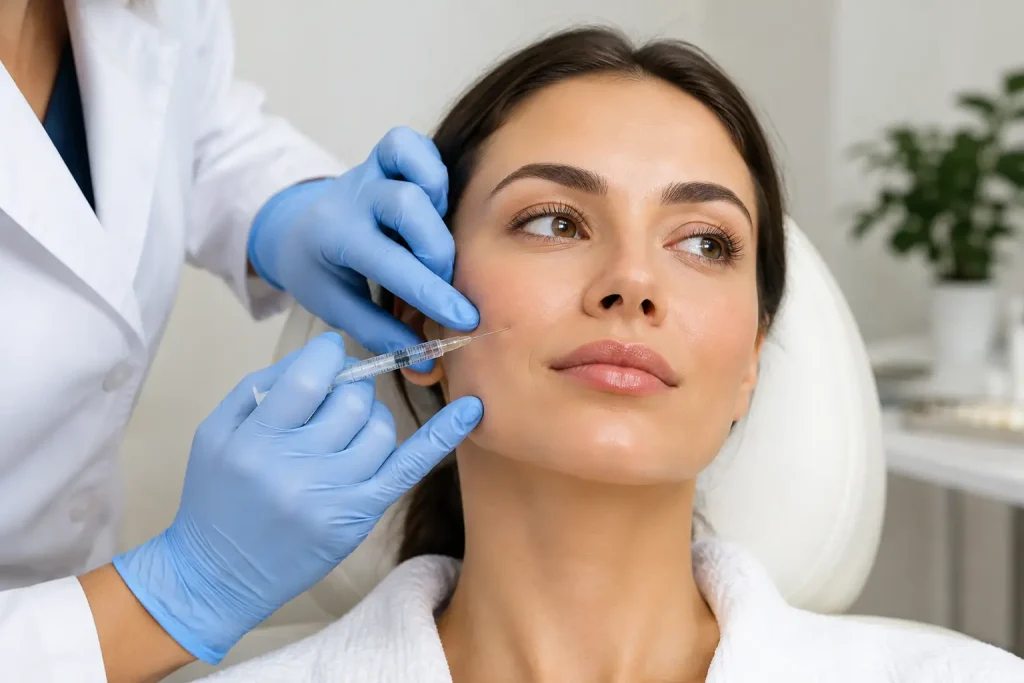
Facial Filler Safety Guide for Safer Results

Facial Filler Safety Guide for Safer Results

Plump lips, softer smile lines and restored cheek definition can look beautifully subtle when facial fillers are planned well. This facial filler safety guide is here to help you make a confident, informed choice before you book – because the best result is never just about volume. It is about skilled assessment, the right product, careful technique and proper aftercare.

What facial filler can, and cannot, do

Most facial fillers are made with hyaluronic acid, a substance that attracts water and can add shape, structure or hydration to selected areas. They may be used in the lips, cheeks, chin, jawline, tear troughs and lines around the mouth. Results are temporary, but how long they last varies by product, placement, your metabolism and the amount used.

Filler can enhance your natural features, restore lost volume and balance facial proportions. It cannot stop ageing, replace good skincare, or make one facial feature suit every face. A dramatic before-and-after may be tempting on social media, but a considered treatment plan usually creates the freshest, most flattering result.

A consultation should focus on what you want to change and why. Your practitioner should also be willing to say when filler is not the best option. Sometimes anti-wrinkle treatment, skin rejuvenation, a different placement, or no treatment at all is the safer and more appropriate choice.

Choosing a practitioner is the biggest safety decision

In the UK, facial aesthetics is not regulated in exactly the same way across every setting. That means you should not assume that a polished Instagram page, a low price or a treatment room alone proves clinical competence. Take time to ask direct questions before allowing anyone to inject your face.

Choose a practitioner who has recognised training in facial aesthetics, detailed knowledge of facial anatomy and experience in the specific area you want treated. They should carry appropriate insurance, work from a clean professional setting and have a clear process for managing complications. For dermal filler, ask whether they keep hyaluronidase available. This is an enzyme that can dissolve certain hyaluronic acid fillers if medically necessary.

You should feel comfortable asking which filler brand is being used, whether it is sealed and traceable, and why it suits your treatment area. A responsible practitioner will not make you feel difficult for asking. They will welcome it.

At Glam Master, a consultation is the right place to discuss your goals, suitability and the level of enhancement you feel comfortable with before making a treatment decision.

Red flags worth walking away from

A bargain price can be appealing, especially for an event coming up, but injectable treatment is not where you want shortcuts. Be cautious if someone offers to inject you at home, in a hotel room or at a party. Avoid practitioners who pressure you to book immediately, promise a completely risk-free procedure or offer very large volumes without a proper assessment.

It is also a concern if there is no medical history form, no consent process, no discussion of possible complications, or no clear aftercare contact. You should never be told that bruising, pain or colour changes are simply something to ignore.

Your consultation should be thorough, not rushed

A good consultation is more than choosing a lip shape from a photograph. Your practitioner should ask about your medical history, allergies, current medication, previous filler and any past complications. They should assess your face at rest and in movement, explain realistic outcomes and give you time to consider the plan.

Be honest about previous procedures, including filler done elsewhere or years ago. Older filler can sometimes remain in the tissue longer than expected, and adding more without understanding what is already present may increase the chance of an uneven or overfilled result.

Tell your practitioner if you are pregnant or breastfeeding, have an active skin infection, cold sore, dental infection, autoimmune condition, bleeding disorder, severe allergies, or are taking medicines that affect bleeding or immunity. Treatment may need to be delayed, adapted or avoided. Do not stop prescribed medication without speaking to the clinician who prescribed it.

If you are prone to cold sores and are considering lip filler, raise this before treatment. Needle trauma can trigger an outbreak in some people, and your practitioner may advise you to speak with your GP or pharmacist about appropriate prevention.

Preparing for your filler appointment

Arrive with clean skin and enough time to talk through the treatment without feeling rushed. If possible, avoid booking immediately before a wedding, holiday, important work event or big night out. Even expertly placed filler can cause temporary swelling or bruising, and your final result may take time to settle.

Alcohol can increase the likelihood of bruising for some people, so it is sensible to avoid it for 24 hours before and after treatment. Your practitioner may also advise on supplements or over-the-counter medicines that can affect bruising. Always follow their individual guidance and never alter prescribed medication on your own.

Plan your appointment around your life. If you have an event, give yourself a comfortable buffer rather than treating filler as a last-minute beauty fix.

Normal side effects versus warning signs

Mild tenderness, swelling, redness, small lumps and bruising can happen after facial filler. These effects are usually localised and should begin to improve over the following days. Lips, in particular, can look fuller straight after treatment because of swelling, so do not judge the final shape on the same day.

Your practitioner should explain how to care for the area. This commonly includes keeping hands clean, avoiding pressure or massage unless specifically advised, and taking a short break from intense exercise, heat exposure and alcohol. Follow the aftercare given to you rather than relying on general social media advice.

When to seek urgent help

Rare complications can be serious. A blocked blood vessel, known as vascular occlusion, needs urgent assessment and treatment. Contact your practitioner immediately if you develop severe or increasing pain, unusual blanching or whitening of the skin, a mottled purple or grey pattern, skin that feels cold, or changes in sensation.

Any change in vision, such as blurred vision, loss of vision, severe headache or eye pain after filler, is an emergency. Seek emergency medical care straight away. Do not wait for a message reply or assume it will settle overnight.

Increasing redness, heat, swelling, discharge, fever or feeling unwell may indicate infection and should also be assessed promptly. Keep your practitioner’s emergency contact details saved before you leave the clinic.

Less is often the luxury choice

The most expensive-looking result is rarely the most obvious one. It is the result that respects your face: balanced lips, supported cheeks, a softened profile and movement that still looks like you. Filler can be built gradually, while removing excess or correcting poor placement can be more complicated, costly and emotionally stressful.

Ask for a phased plan if you are new to filler or considering a noticeable change. Starting conservatively gives you time to see how you feel once swelling has settled. You can always review and add later if it remains appropriate.

Bring reference images if they help you explain the style you like, but use them as a conversation starter, not a promise. Your bone structure, existing volume and skin quality will shape what is safe and achievable for you.

Book when you feel informed, not pressured

Facial filler should feel exciting, but never rushed. The right practitioner will make space for your questions, explain the plan in plain English and put your wellbeing ahead of a quick sale. If something does not feel right, pause. Your face deserves a treatment choice made with confidence, care and realistic expectations.

When you are ready, book a consultation and make safety the first step towards your polished, beautifully refreshed result.
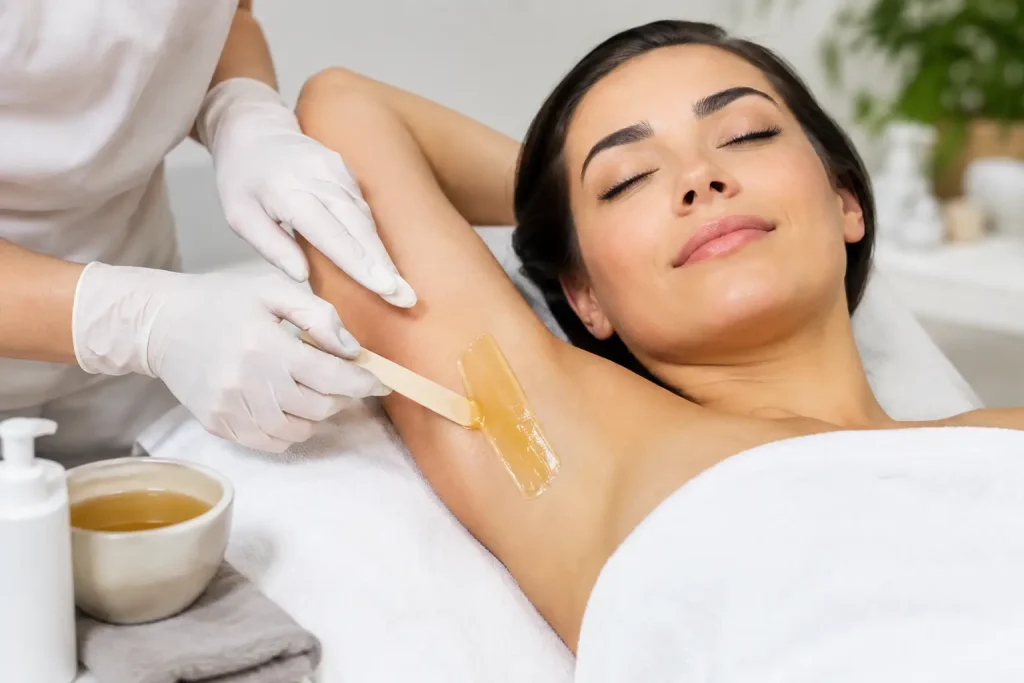
Best Waxing for Sensitive Skin That Feels Kinder

Best Waxing for Sensitive Skin That Feels Kinder

Searching for the best waxing sensitive skin can tolerate is not about putting up with a painful appointment for the sake of smooth results. The right wax, careful preparation and expert technique can make a real difference to how your skin looks and feels afterwards. A little pinkness can be normal, but burning, persistent soreness and angry bumps should never be treated as the price of beauty.

If your skin reacts easily, choose a wax appointment that is tailored to you rather than rushing into a one-size-fits-all treatment. Whether you are preparing for a holiday, keeping up with your regular beauty routine or getting event-ready, smooth skin should feel like a confidence boost, not a skin battle.

What is the best waxing for sensitive skin?

For many clients, hard wax is the best waxing for sensitive skin, especially on smaller, more delicate areas such as the bikini line, underarms, face and Brazilian area. Unlike traditional strip wax, hard wax sets around the hair and is removed without a fabric strip. Because it is designed to grip the hair more than the surrounding skin, it can feel kinder where skin is thin or prone to redness.

That does not mean strip wax is automatically wrong. On larger areas such as legs, a skilled therapist may recommend a high-quality strip wax because it is efficient and gives a clean result. The key is using the right product at the right temperature, applying it in small controlled sections and assessing your skin before treatment.

Everyone’s sensitivity is different. Some people are mainly prone to temporary redness, while others get ingrown hairs, folliculitis-like bumps or irritation from fragranced products. Let your therapist know what has happened after previous waxes, even if it seems minor. Those details help shape a treatment that is more comfortable from the first strip to the final soothing product.

Why sensitive skin can react after waxing

Waxing removes hair from the root, so the follicle is briefly left open and the surrounding skin can become inflamed. Heat, friction, sweat, bacteria and heavy products can then aggravate that freshly waxed area. If your skin barrier is already compromised by dryness, shaving rash, over-exfoliation or strong skincare, it has less resilience on the day.

Hormonal changes can affect sensitivity too. Some clients feel more tender around their period, while stress, lack of sleep and certain medication can also alter how their skin responds. This does not mean you have to cancel every time, but it is useful information when deciding whether to wax now or wait a few days.

The best results come from looking at the whole picture, not only the wax itself. A polished treatment includes consultation, clean technique, correct hair removal direction and aftercare chosen for your skin rather than whatever happens to be on the shelf.

When to postpone your wax

Do not wax over sunburned, broken, actively irritated or infected skin. It is also sensible to postpone if you have recently had a strong facial peel, laser treatment, microneedling or another intensive skin procedure in the same area. Your skin needs time to recover before any form of hair removal.

Tell your therapist if you use prescription retinoids, topical acne treatments or blood-thinning medication. Some products and medicines can make skin more fragile and increase the chance of lifting or bruising. If you are taking oral isotretinoin, or have an ongoing skin condition such as eczema or psoriasis, seek advice from the clinician managing your treatment before booking wax services.

Prepare your skin for a smoother appointment

The day before your wax, keep your routine simple. Gently exfoliating the body can help release trapped hairs, but avoid scrubs, acids and rough exfoliating gloves on the day itself. For facial waxing, stop using exfoliating acids and retinol around the area for several days where appropriate to your product instructions and professional advice.

Arrive with clean skin free from body oil, fake tan, deodorant on underarms and heavy lotions. These can create a barrier between wax and hair, making removal less effective. Hair should generally be around the length of a grain of rice – long enough for the wax to catch, but not so long that the appointment feels needlessly uncomfortable.

If you are nervous, say so. A good therapist will talk you through the treatment, check the wax temperature and work at a pace that feels manageable. Avoid numbing creams unless they have been discussed in advance, as some can irritate sensitive skin or mask discomfort that would otherwise tell you something is not right.

The first 48 hours matter most

Freshly waxed skin needs calm, not a packed social calendar of heat, friction and fragrance. Keep the area cool and clean for the rest of the day. Wear loose, breathable clothing after intimate or body waxing, especially if you are heading straight back to work, university or a busy weekend.

For 24 to 48 hours, skip hot baths, saunas, steam rooms, intense workouts, swimming pools and sunbeds. Heat and sweat can irritate open follicles, while chlorine and fragranced products can make tenderness worse. Try not to touch the area unnecessarily, however tempting it is to check how smooth it feels.

Use a gentle, fragrance-free moisturiser or the soothing aftercare recommended by your therapist. Once redness has settled, regular light exfoliation can help reduce ingrown hairs, but do not start too soon or scrub aggressively. Think consistency over intensity. A soft exfoliating routine a couple of times a week is more skin-friendly than a harsh scrub after every appointment.

Redness versus a reaction

Mild warmth and small red dots around follicles can be normal immediately after waxing, particularly on the face, underarms and bikini line. This should begin to settle within a day or two. A cool compress can feel lovely, provided it is clean and not applied directly from the freezer.

Seek professional medical advice if you notice significant swelling, blistering, spreading redness, severe pain, pus-filled spots or symptoms that do not improve. These are not signs to push through. Your therapist should also be told before your next booking so your treatment plan can be adjusted.

Choose expertise, not just convenience

Cheap at-home wax kits can look tempting, but sensitive skin leaves little room for poor temperature control, repeated passes or uneven technique. The wrong approach may break hair rather than remove it, irritate skin or lead to more ingrowns later. Professional waxing gives you the advantage of a therapist who can assess the area in real time and change the method if needed.

At Glam Master, your waxing appointment can be part of a wider beauty routine, from brows and lashes to facials and event-ready treatments. Mention your sensitivity when you book so there is time to discuss the area, your skincare and the wax option that suits you best. A patch test may be a sensible starting point if you have had a previous reaction or are trying a new product.

Build a routine your skin can trust

Regular waxing can become more comfortable over time because hair often grows back softer and more evenly when appointments are kept consistent. Most body areas benefit from a routine of roughly four to six weeks, although this varies with your natural hair growth, the area being treated and your personal preference. Waiting until hair has enough length gives the wax a better chance of removing it cleanly.

Do not switch constantly between shaving, epilating and waxing if you want more predictable results. Shaving cuts hair at the surface and can make timing a waxing appointment harder. If you need a longer-term hair reduction option for a particular area, a consultation about laser hair removal may also be worthwhile, but it is a different treatment with its own suitability checks.

Sensitive skin deserves a treatment plan with a little more thought behind it. Book with an experienced therapist, be honest about your skin and give yourself a quiet 48 hours afterwards. The result is smooth, cared-for skin that is ready for whatever you have planned.