

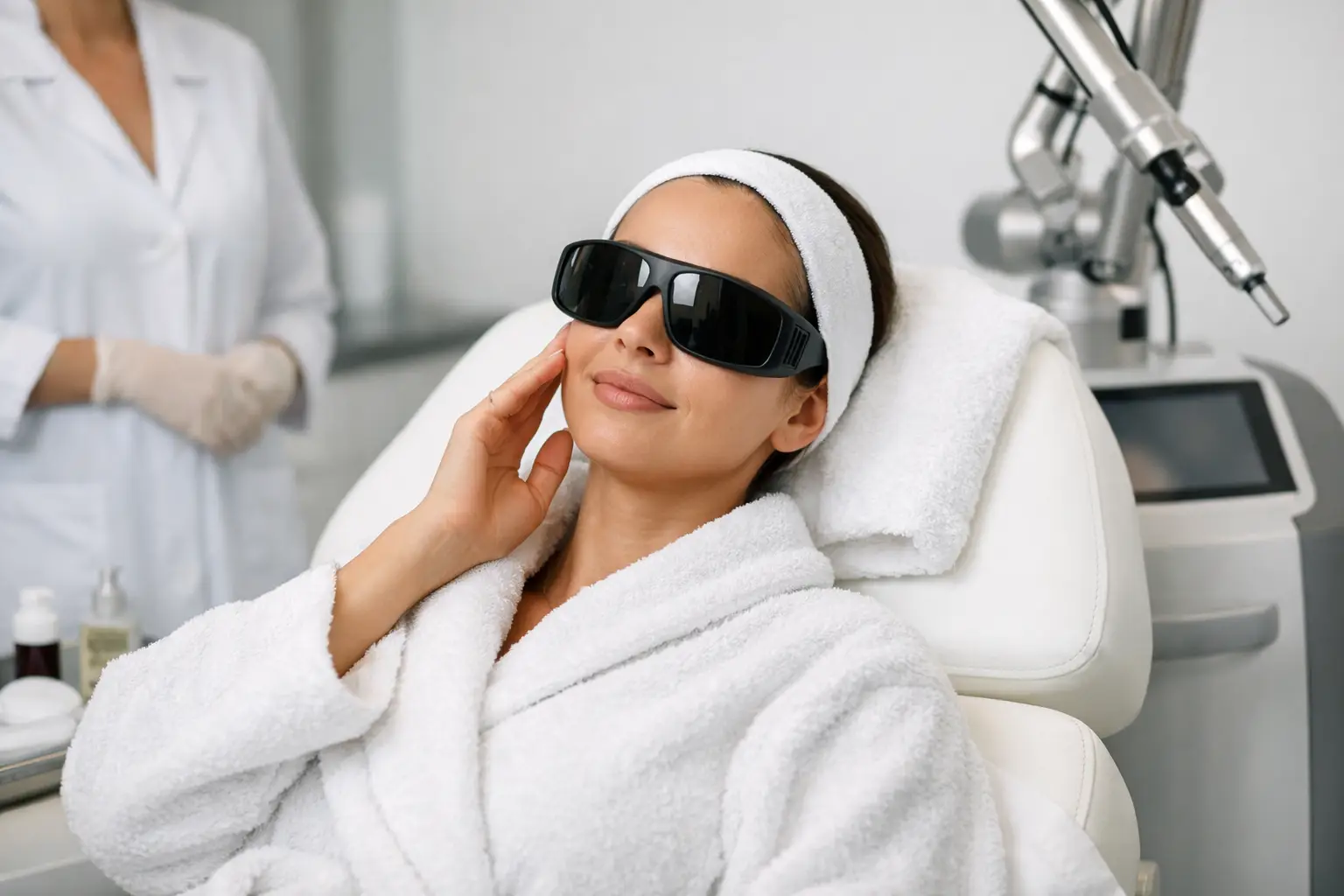
A smooth laser hair removal result starts before your appointment. Knowing how to prepare for laser treatment helps your therapist assess your skin properly, target the hair effectively and keep your session as comfortable as possible. It is the difference between arriving ready for your glow-up and realising your fresh tan, wax appointment or body lotion means you need to reschedule.
At Glam Master, your treatment plan begins with your individual skin, hair growth and goals. Laser is never one-size-fits-all, so always follow the guidance given at your consultation if it differs from general advice online.
Start with a consultation and patch test
Your consultation is where great results begin. Your therapist will ask about your skin tone, natural hair colour, medical history, medication, previous hair-removal methods and the areas you would like to treat. Be open about all of it, even if it seems unrelated. Some medicines, skin conditions and recent treatments can affect whether laser is suitable for you or whether your appointment needs to be delayed.
A patch test is usually carried out before a first treatment. This lets your therapist check how your skin responds and select safe, appropriate settings. Do not book laser hair removal the day before a big event if you have never had it before. Give yourself enough time for the patch test and any mild, temporary redness to settle.
Tell your therapist if you are pregnant or breastfeeding, have a history of cold sores for treatment around the face, are using prescribed skincare, have had recent surgery, or have a new tattoo, scar or skin irritation in the treatment area. Never stop prescribed medication simply to have laser treatment. Your therapist can advise on the safest next step.
How to prepare for laser treatment in the weeks before
Laser works by targeting pigment in the hair follicle. For the best chance of effective treatment, the follicle needs to contain hair, while your skin should be calm and as close to its natural colour as possible.
Avoid waxing, threading, plucking and epilating the area for around four to six weeks before your session, unless your therapist has advised a different timeframe. These methods remove hair from the root, leaving less for the laser to target. Shaving is fine because it removes hair above the skin without disturbing the follicle. If you have been using a hair-removal cream, check with your therapist before your appointment, as it can irritate some skin types.
Sun exposure needs attention too. Avoid tanning, sunbeds and tanning injections before laser. Tanned or sunburnt skin can be more sensitive and may not be suitable for treatment that day. Aim to keep the area protected from strong sun and use a high-SPF sunscreen when it is exposed. Fake tan should also be fully avoided in the lead-up to treatment, as it can interfere with your therapist’s assessment of your skin tone.
If you are planning a sunny holiday, a beach weekend or regular gym sessions outdoors, book your laser appointments around them. Your therapist can help you create a treatment schedule that fits real life without compromising skin safety.
Give active skincare a break
For facial laser hair removal especially, your normal skincare routine may need a short pause. Retinol, retinoids, exfoliating acids, benzoyl peroxide and strong scrubs can make skin more reactive. Depending on the product and your skin, you may be asked to stop using them for several days before treatment.
Do not guess. Bring a photo of your skincare products or a list of ingredients to your consultation. The same applies to prescription creams and recent chemical peels, microneedling or facials. Your skin deserves a plan, not a last-minute gamble.
Shave at the right time
In most cases, shave the treatment area 12 to 24 hours before your appointment. This leaves the hair follicle in place but removes surface hair that could singe during treatment. Your skin should look smooth, with no cuts, razor burn or irritation.
Use a clean razor and a gentle shaving product if your skin is sensitive. Do not dry shave in a rush, particularly on delicate areas such as the bikini line or underarms. If you nick the skin, develop a rash or experience significant irritation, contact the salon before travelling in. It may be better to move the appointment than treat skin that is not settled.
For some areas or hair types, your therapist may request a slightly different approach. Follow their personalised instructions over any general rule.
What to do on the day of your appointment
Come to your appointment with clean, dry skin. The treatment area should be free from moisturiser, body oil, perfume, deodorant, makeup, fake tan and SPF where practical. These products can create a barrier, irritate the skin with heat or make the area harder to assess.
For underarm laser, arrive without deodorant. For facial appointments, remove makeup and avoid heavy skincare. For bikini or body areas, choose loose, breathable clothing that will not rub against freshly treated skin afterwards. A soft cotton outfit is often far more comfortable than tight leggings or restrictive shapewear.
Eat and drink normally beforehand, particularly if you are prone to feeling light-headed during appointments. Try not to arrive overheated after a hard workout, steam room or sauna. Calm, cool skin is ideal.
If you are nervous, say so. Laser hair removal often feels like quick warmth or an elastic-band flick, but everyone’s comfort level is different and certain areas can feel more sensitive. Your therapist can explain each stage, adjust where appropriate and help you feel at ease. Protective eyewear is worn throughout treatment.
Plan around your cycle and your diary
Some clients find laser more uncomfortable just before or during their period, especially for intimate areas. You can still attend your appointment if you feel comfortable, but it is worth booking at another point in your cycle if you know your sensitivity is higher then. For bikini treatments, ask the salon about its hygiene requirements before arriving.
Think ahead about your plans for the following 24 to 48 hours. Your skin may look slightly red or feel warm after laser, similar to mild sun exposure. Avoid arranging your first session immediately before a wedding, holiday, spa day, hot yoga class or night out where you expect to wear tight clothing and heavy makeup.
Set realistic expectations for your results
Laser hair removal is a course of treatments, not a one-visit fix. Hair grows in cycles, and laser is most effective when hair is in its active growth phase. That is why appointments are spaced apart and why consistency matters.
You may notice some shedding after a session, but avoid plucking the hairs as they work their way out. Shave between appointments if needed, and keep your future sessions on schedule. Hormones, the area being treated, hair colour, skin tone and your personal growth cycle can all affect the number of sessions required. Your therapist will give you a realistic recommendation rather than promising identical results for everyone.
A little preparation protects your results
The best laser appointments are built on simple habits: protect your skin from sun, pause root-removal methods, shave carefully, arrive product-free and be honest at your consultation. That preparation gives your therapist the clearest possible starting point for smooth, beautifully maintained skin.
Ready to put down the razor routine? Book your laser hair removal consultation at Glam Master in Manchester and let your treatment plan be tailored to you.