

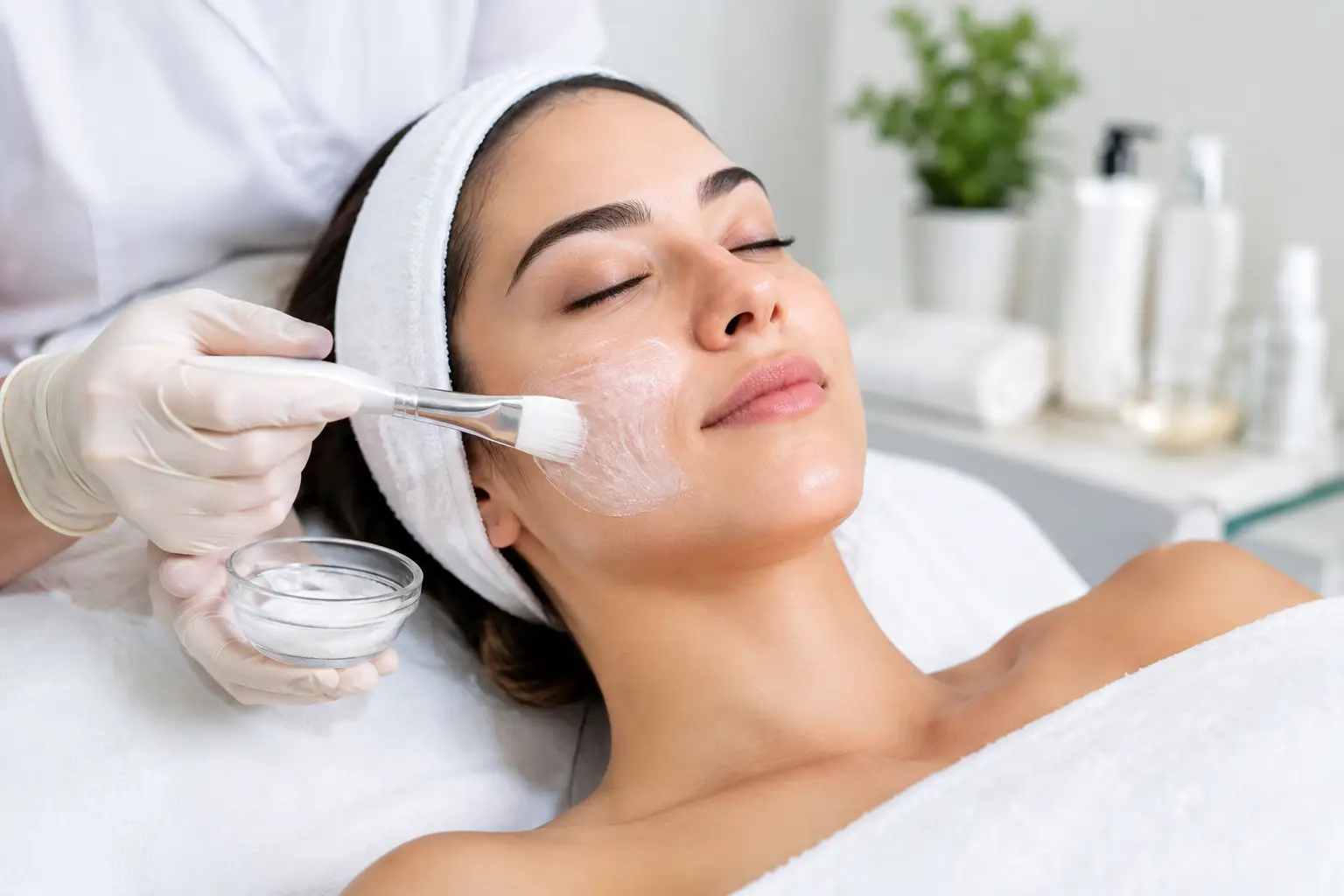
A breakout before a big night out can make you want results immediately. The best acne facial treatments can help decongest the skin, calm its appearance and support a clearer-looking complexion, but the right choice depends on whether you are dealing with blocked pores, active blemishes, oiliness, marks or sensitivity.
At Glam Master, we believe facials should feel indulgent and work hard for your skin. A professional treatment is not about harsh scrubbing or squeezing everything in sight. It is about assessing what your skin needs on that day, then choosing a treatment that cleanses, refines and restores without leaving your complexion overwhelmed.
What causes acne and congestion?
Acne develops when pores become blocked with excess oil, dead skin cells and debris. Bacteria and inflammation can then contribute to sore, red or pus-filled spots. Hormones, stress, certain skincare products, makeup left on overnight and friction from mobile phones, pillowcases or face coverings can all play a part.
Not every breakout is the same. Small flesh-coloured bumps and blackheads usually point to congestion, while painful cystic spots need a gentler, more considered approach. If your acne is severe, persistent, painful or leaving scars, speak to a GP or dermatologist. A facial can be a valuable part of your skin routine, but it is not a replacement for medical acne treatment.
Best acne facial treatments to consider
Deep-cleansing facial for blocked pores
A deep-cleansing facial is often the best starting point for oily, congested skin with blackheads, whiteheads and dull texture. Your therapist begins with a skin assessment, followed by thorough cleansing, exfoliation and steam where suitable. This softens surface build-up and prepares the skin for careful extraction.
Professional extraction can remove stubborn congestion more safely than picking at home. It should never be rushed or aggressive. Over-squeezing can irritate the skin, spread bacteria and increase the risk of marks, so the treatment must be tailored to what can be lifted easily.
Finish with a calming mask and lightweight hydration rather than heavy, pore-clogging products. You should leave looking fresh, although slight temporary redness after extraction can happen.
Chemical peel treatments for texture and post-blemish marks
Chemical peels use carefully selected acids to encourage skin renewal. For breakout-prone complexions, lighter superficial peels are often used to help clear dead skin cells from the surface, refine the look of pores and improve uneven texture. Some can also help fade the look of the lingering brown or red marks left after blemishes.
The best peel is not necessarily the strongest one. Salicylic acid is commonly chosen for oily and congested skin because it is oil-soluble and can work within the pore lining. Lactic or mandelic acid may be considered where the skin is more sensitive or dehydrated. Your therapist should assess your skin, your current routine and any recent treatments before recommending an option.
You may experience light flaking, dryness or sensitivity afterwards, depending on the peel. Avoid booking one immediately before a wedding, holiday or major event unless you have had the treatment before and understand how your skin responds. Consistency usually delivers better results than one intense appointment.
LED light therapy for inflamed-looking breakouts
LED light therapy is a comfortable, non-invasive option that can complement a facial plan for active, inflamed-looking skin. Blue light is frequently used within acne-focused treatments, while red light is often selected to support a calmer-looking complexion and skin recovery.
This treatment does not involve picking, needles or downtime, making it appealing when your skin feels tender. It tends to work best as a course rather than a one-off facial, particularly if breakouts are recurring. Your therapist can advise on how often to book according to your skin condition and goals.
Hydrating facial for acne-prone but dehydrated skin
Oily skin can still be dehydrated. In fact, using too many stripping cleansers, strong spot products and abrasive scrubs can leave the skin tight, flaky and reactive. It may then produce more oil in response, creating a cycle that feels impossible to manage.
A hydration-focused facial can restore comfort without weighing down acne-prone skin. Look for gentle cleansing, calming ingredients, barrier-supporting serums and non-comedogenic moisturising products. This is particularly useful if you are using prescription acne products or have recently overdone exfoliation at home.
Microneedling only when active acne has settled
Microneedling is often requested for acne scarring and uneven texture, not for active acne. It creates controlled microchannels in the skin to support collagen production and can help improve the appearance of indented scars over a series of sessions.
However, treatment should usually be postponed if you have active inflamed breakouts in the area. Working over active acne may aggravate the skin or spread bacteria. An honest consultation matters here: clearing and calming active blemishes should come before targeting scars.
How to choose the right facial for your skin
A proper consultation is where great results begin. Tell your therapist about your current skincare, prescription creams, allergies, skin sensitivity and any recent treatments. Retinoids, strong exfoliants and certain medications may mean that a peel, extraction or advanced treatment needs to be adjusted or delayed.
If your main concern is blackheads and congestion, start with a deep-cleansing facial and a realistic home routine. If you are left with marks and rough texture after spots heal, a course of light peels may be more suitable. If your skin is sore, dry and reactive, focus on calming hydration before adding stronger actives.
It also depends on your diary. A gentle, glow-boosting facial can be a lovely choice before an event, while extraction or peel treatments are better booked with a little recovery time. Your skin deserves more than a one-size-fits-all treatment chosen from a trend online.
What to do before and after an acne facial
For the best experience, arrive with minimal makeup where possible and avoid introducing new active skincare products in the days before your appointment. Do not pick, squeeze or exfoliate aggressively beforehand. The goal is to give your therapist a clear view of your natural skin condition.
After your facial, keep things simple for 24 to 48 hours. Use a gentle cleanser, moisturiser and daily SPF. Avoid scrubs, exfoliating acids, retinoids, steam rooms and heavy makeup if your skin feels sensitive. Keep hands away from your face, change your pillowcase regularly and clean makeup brushes often.
If you have had extractions, resist the temptation to inspect every pore in a magnifying mirror. Slight redness is normal, but persistent swelling, blistering or a worsening reaction should be discussed with a qualified professional promptly.
Can facials clear acne permanently?
No facial can promise permanent acne clearance because breakouts have many causes, including hormones and genetics. What professional treatments can do is help manage congestion, improve the look and feel of your skin, and give you a routine that makes sense for your complexion.
The strongest results usually come from regular appointments paired with consistent home care. That does not mean using ten products. A gentle cleanser, suitable moisturiser, sunscreen and carefully chosen active ingredients are often more useful than constantly changing your routine.
Book your acne facial consultation in Manchester
If your complexion feels congested, dull or difficult to manage, book a consultation at Glam Master in Fallowfield. We will look at your skin concerns, your lifestyle and the finish you want, then recommend a facial plan that feels luxurious and genuinely suited to you. Clearer-looking skin is not about chasing perfection – it is about giving your complexion the expert care and consistency it has been asking for.