How Long Does Botox Last? Real Timelines

How Long Does Botox Last? Real Timelines

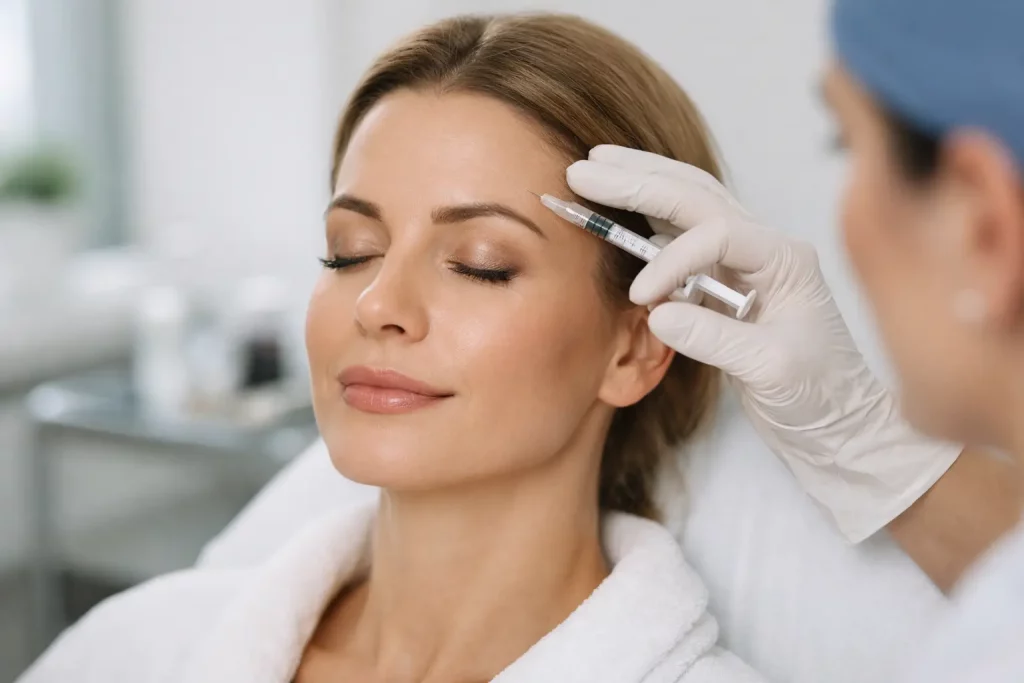
You glance in the mirror a couple of weeks after treatment and love what you see – smoother forehead, softer frown lines, a fresher look without looking frozen. Then the next question comes quickly: how long does Botox last? If you are planning around holidays, weddings, work events or simply want to keep your results looking polished, timing matters.

The short answer is that Botox usually lasts around 3 to 4 months for most people. That said, real life is rarely that neat. Some clients notice movement returning a little sooner, while others enjoy longer-lasting results, especially after regular treatments. If you want your appointments to feel strategic rather than guesswork, it helps to understand what affects your timeline.

How long does Botox last for most people?

For first-time clients, Botox often starts to show within 3 to 5 days, with full results usually visible at around 10 to 14 days. Once it has settled properly, the smoothing effect commonly lasts 12 to 16 weeks.

This is why many people book maintenance appointments roughly every 3 to 4 months. It keeps the treated area looking consistently soft and refreshed rather than waiting for the product to wear off completely. If your goal is a naturally maintained look, regular timing usually gives a better result than letting everything fully return and starting again each time.

Different facial areas can also wear at slightly different rates. Crow’s feet, forehead lines and frown lines do not always fade at exactly the same speed because the muscles involved are used differently throughout the day.

Why Botox does not last the same on everyone

Botox is not a one-size-fits-all treatment. The same amount can behave differently from one person to another, which is why consultations matter.

Your muscle strength matters

If you have strong facial expressions or very active muscles, Botox may wear off a little faster. This is common in the forehead and frown area, especially if you naturally lift your brows a lot or squint when concentrating.

People with stronger muscles may need a carefully judged dose to achieve a balanced result. Not more for the sake of it – just the right amount for their anatomy and desired look.

First-time treatments may fade sooner

If this is your first Botox appointment, your results may not last quite as long as they will after a few consistent sessions. Over time, treated muscles often become less forceful because they are not contracting as strongly as before.

That can mean longer-lasting results with repeat treatments. Many clients find that once they settle into a regular schedule, their appointments become easier to plan.

Your metabolism can affect duration

Some people process Botox faster than others. If you have a naturally fast metabolism or you exercise intensely and frequently, you may notice your results soften a bit sooner. This does not mean your treatment has failed. It simply means your body is working through the product at its own pace.

Treatment area and technique make a difference

Subtle, precise placement is everything. A skilled injector is not just treating lines – they are reading movement, facial balance and muscle behaviour. Good technique can improve both the look and the longevity of your result.

The area treated matters too. Botox in the jaw for teeth grinding, for example, may have a different timeline from Botox placed in the forehead. Your practitioner should explain what is realistic for your chosen treatment area.

What week-by-week Botox results usually look like

Knowing the general pattern helps you avoid panicking too early or booking top-ups too late.

Days 1 to 3

You may not see much change straight away. That is normal. Botox does not work instantly, so this stage is more about letting everything settle.

Days 4 to 7

You may begin to notice reduced movement in the treated area. Fine lines can start to soften, especially when making expressions.

Days 10 to 14

This is usually when full results become visible. The area should look smoother and more relaxed, while still looking like you.

Weeks 6 to 10

For many clients, this is the sweet spot. Results are settled, balanced and at their best.

Weeks 10 to 16

Movement gradually starts to return. It tends to happen slowly rather than all at once. You might first notice a little expression coming back before deeper lines become more visible again.

How to make Botox last as long as possible

You cannot stop Botox from wearing off eventually, but you can give yourself the best chance of enjoying the full lifespan of your treatment.

Follow your aftercare carefully, particularly in the first 24 hours. Your practitioner may advise you to avoid strenuous exercise, rubbing the area, facials, steam rooms and lying flat for a set period after treatment. These instructions are simple, but they matter.

Longer term, consistency helps. Waiting until all movement has completely returned every single time can make it harder to maintain that smooth, polished finish. A regular treatment schedule often works better than occasional last-minute appointments before a big event.

Skin quality also plays a part in how your results look overall. Botox relaxes muscle movement, but it does not replace good skincare, SPF or treatments that support texture and glow. If you want a fresher face rather than just fewer lines, combining Botox with a smart skin plan can make a visible difference.

When should you book your next appointment?

If you want continuous results, most people should think about rebooking at around the 3-month mark. Not everyone will need treatment that early, but it is a sensible point to reassess.

If you are booking around an event, plan ahead. Botox should not be treated like a same-week beauty fix. Ideally, you want treatment at least 2 weeks before anything important, and often a little earlier if it is your first time. That gives the product time to settle properly and leaves room for review if needed.

For weddings, holidays and party season, advance planning is your best friend. Nothing feels more glamorous than walking into an event already confident that your treatment has settled beautifully.

Signs your Botox is wearing off

The change is usually gradual. You may notice subtle movement returning first, particularly when you raise your brows or frown. Fine lines might begin to reappear during expression before they are visible at rest.

This does not mean you need to rush in the moment you see a tiny bit of movement. Some movement can still look very natural and flattering. It depends on whether you prefer a softer maintained look or a more fully refreshed one.

If you are unsure, a consultation can help you decide whether it is time for a top-up appointment or whether it is better to wait a little longer.

Common questions about how long Botox lasts

Does more Botox make it last longer?

Not always. The goal is not to overload the face. The right dose for your muscle strength and treatment area is what matters. Too little may wear off faster or underdeliver, but more is not automatically better.

Does Botox last longer after multiple treatments?

It often can. With regular treatments, some muscles may become trained to contract less forcefully, which can help results last longer over time.

Can stress or lifestyle affect Botox?

Lifestyle can play a part. High activity levels, facial habits and individual metabolism may all influence how long your result lasts. Stress itself is not a direct switch that turns Botox off, but frequent tension and strong facial movement can affect what you notice in the mirror.

Is 2 months too soon for Botox to wear off?

It can happen, especially for first-time clients or in people with very strong muscle movement, but it is earlier than average. If that happens, it is worth discussing with your practitioner so your treatment plan can be reviewed properly.

The real answer: it depends, but planning helps

If you were hoping for one perfect number, Botox does not quite work like that. For most people, 3 to 4 months is the realistic answer, but your face, your muscle movement and your treatment history all shape the final timeline.

The best results usually come from a personalised plan rather than random appointments. A proper consultation, realistic expectations and good timing make all the difference. If you are thinking about Botox and want results that look smooth, fresh and well judged, booking a professional consultation is the smartest place to start. Glam Master offers that kind of tailored, confidence-first approach – because when your treatment is timed well, the whole look feels effortless.

Beautiful results are not only about what happens on the day of treatment. They come from knowing your face, respecting the process and giving yourself enough time to enjoy the glow.

Is Soprano Titanium Laser Painful?

Is Soprano Titanium Laser Painful?

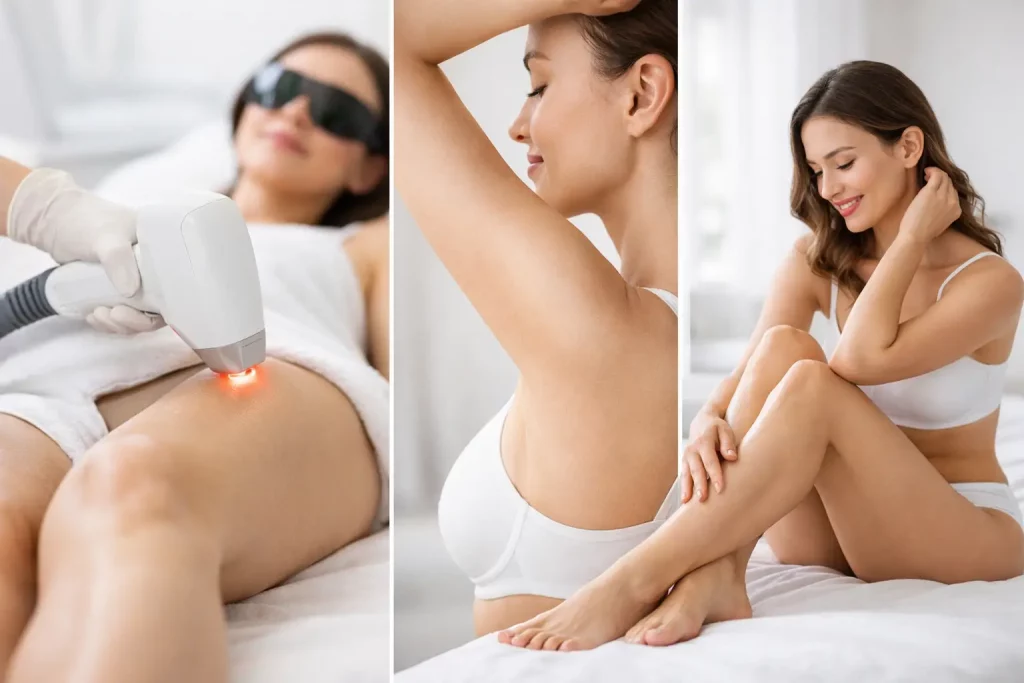
If you are thinking about laser hair removal, the question usually comes before anything else – is Soprano Titanium laser painful? That is a fair concern, especially if you have had waxing, threading or older-style laser treatments that left you bracing for every pulse. The short answer is that most clients find Soprano Titanium far more comfortable than they expected, but the exact feeling depends on your skin, hair, treatment area and pain threshold.

For many people, Soprano Titanium feels more like warmth moving across the skin than sharp zaps. Some describe it as a hot stone massage with a slight prickly edge in sensitive areas. That is a big reason why this laser has become so popular with clients who want smooth skin without the dread that can come with more aggressive hair removal methods.

Is Soprano Titanium laser painful compared with other methods?

Compared with waxing, most clients would say no. Waxing pulls hair out from the root in one go, which can feel intense, particularly on the bikini line, underarms and upper lip. Soprano Titanium works differently. Instead of ripping hair out, it uses laser energy to heat the hair follicle gradually and reduce future growth.

That gradual heating matters. Traditional lasers can deliver a stronger, more sudden sensation with each pulse, while Soprano Titanium is designed to build heat in a more controlled way. For the client, this often means less shock to the skin and a treatment that feels much easier to tolerate.

If you have only ever shaved, any hair removal treatment beyond shaving may feel like a step up in sensation. But if you are used to waxing appointments and post-wax tenderness, laser can feel like a real upgrade. You are not just dealing with the treatment itself. You are also moving towards less regrowth, fewer ingrown hairs and less constant maintenance.

What does Soprano Titanium actually feel like?

The sensation is usually described as warm, quick and manageable. The handpiece glides over the skin while delivering energy, so the treatment does not have that stop-start sting some people associate with older laser systems. There can still be moments of discomfort, especially where hair is coarse or the skin is naturally more sensitive, but it is rarely described as unbearable.

Areas such as the legs and arms are often very easy for clients. Underarms, bikini and facial areas can feel more noticeable because the skin is thinner and the hair is often stronger. Even then, the sensation tends to be brief. Once the session ends, most clients do not have lingering pain. You may see a little redness or feel warmth for a short time, but that usually settles quickly.

This is one of the main reasons clients choose advanced laser over endless waxing appointments. It fits busy beauty routines better. You can come in, have treatment, and get on with your day without that sore, just-waxed feeling.

Why pain levels vary from person to person

No honest clinic should promise that every single client will feel exactly the same thing. Pain is personal. What feels barely noticeable to one person may feel more intense to another.

Your hair type plays a part. Darker, coarser hair can absorb more laser energy, which may make the sensation feel stronger during treatment. The area being treated matters too. A full leg session may feel easier than the upper lip or bikini line simply because those smaller areas can be more sensitive.

Timing can also make a difference. If you book treatment when you are due on your period, you may find your skin feels more reactive than usual. Stress, tiredness and even how much caffeine you have had can affect how your body responds. It is not dramatic, but it is noticeable.

Your first session can also feel slightly different from later ones. Early treatments often target denser hair growth, so you may be more aware of the heat. As the hair reduces over time, many clients find sessions become more comfortable.

How Soprano Titanium is designed for comfort

The reason Soprano Titanium gets so much attention is not just that it removes hair. It is that it does so in a way designed to improve client comfort.

Its cooling technology helps protect the surface of the skin while the laser targets the follicle beneath. That means the skin is not left taking the full force of the heat. The treatment method is also more continuous and controlled, rather than relying on isolated high-intensity blasts.

For clients with a low pain threshold, this can make a huge difference psychologically as well as physically. When you are not tensing up waiting for the next sharp snap, the entire appointment feels easier. That matters if you are booking a course of sessions and want something realistic to maintain.

For a salon and aesthetics client who values polished results without unnecessary drama, comfort is not a small detail. It is part of what makes a treatment worth booking in the first place.

The most sensitive areas to treat

If you are asking is Soprano Titanium laser painful, you are probably also wondering where it hurts most. In most cases, the more sensitive areas are the upper lip, bikini line and underarms. These areas have dense hair, thinner skin or more nerve endings, so they tend to feel warmer or sharper during treatment.

That does not mean they are too painful to treat. It simply means you may notice the sensation more. Sessions on these areas are usually quick, which helps. A short burst of manageable discomfort is very different from a long appointment that leaves you sore afterwards.

Legs, back and arms are often easier to tolerate because the surface area is larger and the skin can feel less reactive. The face can be mixed. Some clients find it easy, while others are more aware of the heat, especially around the lip and jawline.

How to make your laser session feel easier

A good appointment starts before you arrive. Shaving the area as advised is important because it helps the laser focus properly and can reduce unnecessary heat on the skin surface. Turning up with freshly waxed hair, fake tan or irritated skin is far more likely to create problems than the laser itself.

Try to avoid heavy sun exposure before treatment, and let your practitioner know if you are using active skincare or medication that could make your skin more sensitive. On the day, keep skin clean and product-free where possible.

It also helps to be upfront if you are nervous. A proper consultation is there for a reason. When your practitioner knows you are anxious or sensitive, they can talk you through the process, check your comfort and make sure the settings are appropriate for your skin and hair type.

That is why choosing an experienced provider matters. The machine is important, but so is the person using it. Technique, assessment and communication all affect how comfortable the session feels.

What about after treatment?

Most clients do not describe the after-effects as painful. The skin may feel warm, a little flushed or slightly tender for a short period, similar to mild heat after exercise or sun exposure. That usually settles within hours rather than days.

You may be advised to avoid very hot showers, intense gym sessions, steam rooms and direct sun straight after treatment. That is less about pain and more about protecting the skin while it calms down. Following aftercare properly helps keep the whole process smooth.

If you are used to waxing, the after-treatment stage often feels easier than what you know already. There is usually no sticky residue, no ripped skin, no regrowth stubble after a couple of days from emergency shaving, and no same-day soreness from hair being pulled out at the root.

Is it worth it if you are worried about pain?

For most people, yes. If unwanted hair is costing you time, confidence and constant upkeep, a more comfortable laser option can be worth serious consideration. The key is to go in with realistic expectations. Soprano Titanium is not usually completely sensation-free, but it is widely considered one of the more comfortable laser hair removal options available.

That balance matters. You want a treatment that is effective enough to target hair properly, but comfortable enough that you do not dread coming back. For many clients, Soprano Titanium hits that sweet spot.

If you are still unsure, the best next step is a consultation. It gives you the chance to ask honest questions, understand what your treatment plan could look like and feel confident before your first session. If you are looking for smooth skin with less fuss and a more comfortable approach to laser hair removal, BOOK FREE CONSULTATION and get clear, expert advice tailored to your skin.

How Does Laser Hair Removal Work?

How Does Laser Hair Removal Work?

Shaving every other day is nobody’s idea of luxury. If you are tired of razor burn, fast regrowth and the endless cycle of waxing appointments, it is fair to ask: how does laser hair removal work, and is it actually worth it? For many clients, it is one of the smartest beauty investments because it targets the hair at the root and helps reduce regrowth over time.

Laser hair removal is not magic, but it can feel close when you understand what it is doing. The treatment uses concentrated light energy to target pigment in the hair. That light turns into heat, and the heat travels down the hair shaft to affect the follicle, which is the part responsible for producing new hair. When the follicle is damaged in the right way, future growth becomes slower, finer and in many cases far less noticeable.

How does laser hair removal work on the skin?

The laser is designed to look for melanin, the pigment that gives hair its colour. Darker hairs tend to respond best because they contain more pigment for the laser to recognise. The energy is absorbed by the hair rather than the surrounding skin as much as possible, which is why professional settings, skin assessment and the right machine matter so much.

Once the heat reaches the follicle, it interrupts the growth cycle. That does not mean every single hair disappears after one appointment. Hair grows in phases, and the laser is most effective when the hair is in the active growth stage. At any one time, some hairs are growing, some are resting and some are shedding. That is why treatment is done as a course rather than a one-off session.

This is also why patience pays off. You might notice patchiness after your first few appointments, with some areas becoming smoother faster than others. That is normal. The goal is progressive reduction, not instant perfection after one visit.

Why you need more than one session

If you have ever wondered why clinics recommend a course, this is the reason. The laser can only properly target hairs that are connected to the follicle during the active phase. Since not all hairs are in that phase on the same day, multiple sessions are needed to catch different hairs at the right time.

Most people need a series of treatments spaced a few weeks apart. The exact number depends on the area being treated, your hair density, your hormones and how your body responds. Facial hair can sometimes need more regular maintenance than underarms or legs, especially if hormonal factors are involved.

The spacing between sessions is not random either. It is timed around the natural growth pattern of that body area. A good consultation should explain this clearly, because realistic expectations are part of getting good results.

What happens during a laser hair removal appointment?

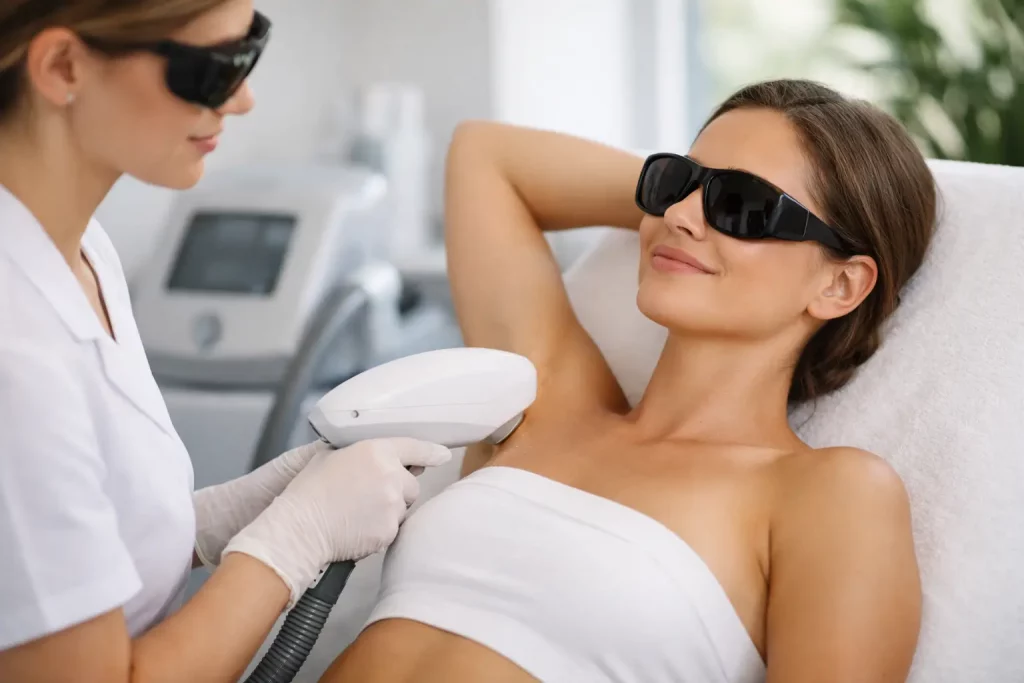
The appointment itself is usually straightforward. First, the area is assessed and prepared. The skin should be clean, and the hair is normally shaved beforehand so the laser can focus beneath the skin rather than singeing long visible hair above it. Protective eyewear is used, and the practitioner adjusts the laser settings to suit your skin tone, hair colour and treatment area.

Then the laser pulses are applied across the skin in a controlled pattern. Clients often describe the sensation as a quick flick, a snap of an elastic band, or a burst of heat. Some areas feel easier than others. Underarms are usually quick, while bikini treatments can feel more intense. Modern systems often include cooling features to make the treatment more comfortable.

Afterwards, the skin may look slightly pink or feel warm for a short time, a bit like mild sun exposure. That usually settles quickly. Your practitioner should also give aftercare advice, because looking after the skin properly helps minimise irritation and supports the best outcome.

Does laser hair removal work for everyone?

It works very well for many people, but not in exactly the same way for everyone. The classic best match is dark hair on lighter skin because the contrast makes it easier for the laser to target the pigment in the hair. That said, technology has improved, and many systems can now treat a much wider range of skin tones safely when used correctly.

The biggest limitation is very light hair. Blonde, grey, white and red hair can be harder to treat because there is less pigment for the laser to detect. In those cases, results may be limited or the treatment may not be suitable at all.

Hormones can also affect how well laser hair removal works. If you have conditions linked to excess hair growth, or facial hair driven by hormonal changes, you may still see excellent reduction, but you may need more sessions and occasional top-ups. That is not a failure of the treatment. It simply means your body is being given stronger signals to keep producing hair.

What results should you actually expect?

The most useful answer is reduction, not a promise of being hair-free forever. Laser hair removal can significantly reduce the amount of hair that grows back, and the regrowth that does appear is often finer, softer and less obvious. Many clients love it not only because there is less hair, but because they no longer deal with constant stubble, ingrown hairs or the irritation that can come with shaving and waxing.

Some people get long-lasting smoothness with only occasional maintenance. Others need top-up sessions from time to time, especially on hormone-sensitive areas. Results depend on the treatment course, the technology used, your skin and hair type, and how consistently you attend your appointments.

That is why honest clinics talk about improvement rather than overpromising. The treatment can be a game-changer, but it still works best when expectations are realistic.

How to prepare for the best results

Preparation matters more than people think. Sun exposure before treatment can increase sensitivity and may affect whether a session should go ahead, so avoiding tanning is usually advised. Plucking and waxing are also discouraged before your course because the laser needs the hair root in place to target it properly. Shaving is usually the preferred method between sessions.

You should also mention any medication, skin products or health changes during your consultation. Certain medicines can make skin more light-sensitive, and some active skincare ingredients may need to be paused around treatment time. This is one reason a proper consultation is not just a formality. It is part of making the treatment safe and tailored.

Common myths about how laser hair removal works

One common myth is that the laser removes the hair instantly. In reality, the treated hairs often shed gradually over days or weeks after the session. Another is that more power always means better results. It does not. The right setting is the one that is both effective and appropriate for your skin and hair profile.

There is also the idea that laser hair removal is unbearably painful. Most clients find it manageable, especially given how fast many areas can be treated. Comfort levels vary, but it is usually far easier than people fear.

And then there is the belief that one machine suits everybody. It does not. Different skin tones and hair types need different approaches, which is why experience matters just as much as the equipment itself.

Is laser hair removal worth it?

If unwanted hair is costing you time, confidence or constant maintenance, for many people the answer is yes. It can simplify your routine, help skin feel smoother and cut down the stress of always planning around shaving or waxing. For clients who want to feel polished for holidays, nights out, gym sessions or everyday life, that convenience is a big part of the appeal.

It is also worth thinking beyond the treatment room. Fewer ingrown hairs, less irritation and less daily effort can make a real difference. The upfront commitment is bigger than buying another razor, of course, but the long-term payoff is often what makes clients wish they had started sooner.

If you are considering treatment, the smartest next step is a professional consultation where your skin, hair and goals can be assessed properly. At Glam Master, that means clear advice, tailored treatment planning and a focus on results you can actually see. BOOK FREE CONSULTATION and find out whether laser hair removal is the right move for your routine, your skin and your confidence.

Smooth skin should not feel like hard work. The right treatment plan can take the pressure off your beauty routine and leave you with one less thing to think about every morning.

Best Facial for Glowing Skin: What Works

Best Facial for Glowing Skin: What Works

Glowing skin usually looks effortless from the outside, but anyone who has dealt with dullness, congestion or uneven texture knows it rarely happens by chance. If you are trying to find the best facial for glowing skin, the right answer depends on what is making your skin look tired in the first place. Dryness needs a different approach from blocked pores, and a pre-event skin boost is not always the same treatment you would book for long-term skin improvement.

That is where choosing well matters. A facial should not just feel relaxing. It should leave your skin looking fresher, brighter and smoother in a way that suits your skin type, your schedule and your budget.

What is the best facial for glowing skin?

The best facial for glowing skin is usually one that combines exfoliation, hydration and treatment-specific ingredients without overwhelming your skin. For some people, that means a gentle hydrating facial that restores bounce and radiance. For others, it means a deep cleansing facial to lift congestion, or a more advanced resurfacing treatment to improve texture and tone.

Glow is not one single skin concern. It is the result of several things working together – smooth skin surface, even tone, good hydration and healthy circulation. When one of those is off, skin can start to look flat. That is why the best treatment is often the one that corrects your main issue rather than the most expensive option on the menu.

How to choose the right facial for your skin

Before booking anything, think about what you actually want to improve. If your skin feels tight, make-up sits badly and fine lines look more obvious, hydration is probably the priority. If your skin looks rough, greasy or bumpy, exfoliation and extraction may be more useful. If you are noticing pigmentation, post-blemish marks or a tired overall tone, you may benefit from brightening ingredients and more active treatment methods.

Timing matters too. Some facials give a lovely immediate glow with no downtime, while others can leave your skin pink or slightly flaky for a few days before the final result comes through. If you have a wedding, party or holiday coming up, that distinction matters.

A proper consultation makes a difference here. It helps avoid the common mistake of booking an aggressive treatment when your skin barrier is already stressed, or choosing something very gentle when what you really need is resurfacing.

Best facials for glowing skin by concern

Hydrating facials for dry, dull skin

If your skin looks lifeless, feels uncomfortable or drinks up moisturiser in seconds, a hydrating facial is often the fastest route to a fresher complexion. These treatments focus on restoring water content, softening the skin surface and improving that plump, healthy look people usually describe as glow.

A good hydrating facial may include gentle exfoliation first, followed by masks, serums and massage techniques that support circulation and product absorption. The result is usually immediate – skin looks smoother, make-up applies better and the face appears less tired.

This is a strong choice before an event, especially if your skin is sensitive or you are nervous about stronger treatments. The trade-off is that while the glow can be impressive, it may not do much for deeper congestion, acne scarring or stubborn pigmentation.

Deep cleansing facials for congested skin

Not all dullness comes from dryness. Sometimes skin looks flat because pores are blocked and the surface is uneven. In that case, a deep cleansing facial can be the better option. This type of treatment is designed to clear build-up, reduce congestion and help the skin reflect light more evenly.

Steam, exfoliation, extractions and balancing masks are often part of the process. If your skin is prone to blackheads, excess oil or frequent breakouts, this can leave you looking significantly clearer and brighter.

The key is balance. Overdoing extractions or using harsh products can leave skin irritated rather than radiant. When done properly, deep cleansing helps create a cleaner, smoother look. When done too aggressively, it can trigger redness and sensitivity. That is why experienced treatment selection matters.

Brightening facials for uneven tone

If your main concern is pigmentation, post-acne marks or general unevenness, a brightening facial is often the most targeted choice. These facials usually use ingredients such as vitamin C, fruit acids or enzyme-based exfoliants to lift dull surface cells and support a more even complexion.

This is often where clients see that polished, expensive-looking skin finish. The face appears more awake, tone looks clearer and dull patches become less obvious. For many people, this is the facial that delivers the kind of glow they actually mean.

That said, brightening treatments can be too active for some sensitive skin types, especially if you are already using retinol or exfoliating acids at home. It is worth mentioning your current routine during consultation so your treatment complements it rather than clashes with it.

Anti-ageing facials for tired, lacklustre skin

As skin matures, glow can fade because turnover slows down, hydration drops and texture changes. An anti-ageing facial can help by combining resurfacing, hydration and firming elements to improve both radiance and skin quality.

These facials often focus on boosting circulation, smoothing fine lines and giving the skin a more lifted appearance. If your concern is that your face looks tired even when you are well rested, this can be a very flattering option.

Results are often best as part of a course rather than a one-off. A single appointment can absolutely freshen the skin, but repeated treatments usually bring better texture and longer-lasting brightness.

Advanced treatments that can boost glow faster

For clients who want more dramatic results, advanced facial treatments can take radiance further than a classic spa facial. Depending on your skin, this may include chemical peels, microdermabrasion or other clinic-led options designed to resurface the skin more effectively.

These treatments can be excellent for improving texture, superficial pigmentation and overall brightness. They are especially popular with clients who want visible improvement rather than just a relaxing hour.

The trade-off is that stronger treatments need more care. You may have temporary redness, mild peeling or increased sensitivity afterwards. They are not always the right last-minute booking before a major event, and they are not ideal for everyone. If your skin barrier is compromised, reactive or inflamed, a gentler facial may actually give a better glow.

What to book before an event

If you need glowing skin for a specific date, do not leave it to guesswork. For most people, the safest event-prep option is a hydrating or brightening facial booked around five to seven days beforehand. That gives the skin time to settle while still looking fresh on the day.

If you are trying a stronger treatment for the first time, leave a much bigger gap. A chemical peel one week before a wedding might work beautifully on one person and be a complete mistake on another. Your skin does not care about your diary.

For regular clients who know their skin well, advanced treatments can work brilliantly as part of an event plan. For first-timers, caution usually pays off.

How to make your facial results last longer

Even the best facial can only do so much if your home routine is working against it. Hot water, over-exfoliating, skipping moisturiser and picking at your skin can flatten the result very quickly.

To keep your glow going, stick to a simple routine after treatment. Cleanse gently, keep the skin hydrated and use daily SPF if you have had any kind of exfoliating or brightening facial. If your therapist advises pausing active ingredients for a few days, follow that advice. More products do not always mean better skin.

Consistency matters more than intensity. A well-chosen facial every few weeks, supported by sensible home care, usually delivers more noticeable glow than chasing one dramatic treatment and then neglecting your skin afterwards.

The real answer to the best facial for glowing skin

There is no single facial that suits everyone. The best choice depends on whether your skin is dry, congested, uneven, sensitive or simply in need of a refresh. For instant radiance, hydrating and brightening facials are usually the strongest options. For longer-term improvement, advanced exfoliating treatments may be worth considering with the right guidance.

If you are not sure where to start, book a professional consultation and be honest about your skin, your routine and your deadline. The most flattering glow comes from a treatment that suits your face, not just whatever is trending. If you want skin that looks fresh, smooth and confidently polished, the right facial is less about hype and more about choosing smart.

7 Benefits of Deep Tissue Massage

7 Benefits of Deep Tissue Massage

That stiff neck that never quite settles, the shoulders that feel permanently raised, the lower back that complains after a long day – this is where the benefits of deep tissue massage start to feel very real. Unlike a lighter, purely relaxing treatment, deep tissue massage is designed to work into the deeper layers of muscle and connective tissue, helping to release built-up tension that can affect how you move, sit, sleep and feel.

For many clients, it is not just about a pampering hour. It is about feeling looser, more comfortable and more in control of their body again. If you carry stress in your back, spend long hours at a desk, train regularly, or simply feel tight more often than you feel relaxed, deep tissue massage can make a visible difference to your comfort and confidence.

What makes deep tissue massage different?

A lot of people assume every massage is basically the same, just with more or less pressure. It is not that simple. Deep tissue massage uses slower, more focused techniques to target deeper muscle layers and areas of chronic tightness. The aim is not to rush through the treatment or make it painful for the sake of it. The aim is to work precisely where the body is holding tension.

That can mean paying extra attention to the neck and shoulders, lower back, glutes, legs or anywhere else that feels restricted. Some areas may feel tender during the treatment, especially if they have been tight for a long time, but a good therapist works within your comfort level. More pressure is not always better. The best results usually come from the right pressure in the right place.

The key benefits of deep tissue massage

1. It helps ease persistent muscle tension

This is often the main reason people book. If your muscles feel hard, sore or tight even when you have rested, deep tissue massage can help release the tension that lighter treatments may not fully reach.

This is especially useful for common problem areas such as the upper back, shoulders and lower back. Everyday habits like driving, working at a laptop, carrying children or sleeping awkwardly can all create muscular strain. Over time, that strain can start to feel normal, until you realise how much lighter your body feels once it is addressed.

2. It can improve mobility and flexibility

When muscles are tight, movement changes. You might notice it when turning your head, bending forward, reaching overhead or getting up after sitting for too long. The body adapts around tension, and that can leave you feeling stiff and restricted.

One of the practical benefits of deep tissue massage is that it may help muscles lengthen and soften, making movement feel easier. That does not mean one session will suddenly fix every issue, particularly if tightness has built up over months or years. But regular treatment can support better mobility, especially when paired with stretching and sensible movement between appointments.

3. It supports post-workout recovery

If you exercise regularly, you already know the difference between normal post-gym soreness and the kind of muscular tightness that hangs around and affects your next session. Deep tissue massage can help with recovery by reducing tightness, improving circulation to worked muscles and helping you feel less heavy and fatigued afterwards.

For clients who train in the gym, run, do reformer classes or attend high-intensity sessions, this can be a smart part of a wider body-care routine. It is not a replacement for rest, hydration or good form, but it can help your body recover more comfortably so you can get back to your routine feeling stronger rather than stiff.

4. It may reduce stress held in the body

Stress is not always just mental. It often shows up physically first – clenched jaws, tense shoulders, headaches, shallow breathing and that constant feeling of being braced. Deep tissue massage is more targeted than a typical relaxation massage, but it can still leave you feeling calmer and more settled.

That is because releasing physical tension often has a knock-on effect on the nervous system. When your body feels less tight, your mind often follows. For busy clients balancing work, family, social plans and the constant pressure to look polished and feel put together, that physical reset can be one of the most underrated benefits of deep tissue massage.

5. It can help with posture-related aches

Poor posture is rarely just about standing up straighter. More often, it is linked to overworked muscles in one area and weaker, less active muscles elsewhere. If you spend most of the day sitting, looking down at your phone or working at a screen, certain muscles can become shortened and overactive.

Deep tissue massage may help ease the discomfort that comes with that pattern, particularly around the neck, shoulders and upper back. It will not single-handedly correct posture, and any honest therapist should tell you that. But it can help relieve the muscular tension that makes better posture feel difficult to maintain in the first place.

6. It may ease tension headaches for some people

Not all headaches come from muscle tension, so this very much depends on the cause. But for people whose headaches are linked to tightness in the neck, scalp, jaw or shoulders, massage can sometimes bring relief.

If you regularly feel pressure building at the base of the skull or across the tops of the shoulders, it may be worth considering whether muscular tension is part of the problem. Deep tissue work in those areas can help release some of that strain. The key is to communicate clearly during your treatment, because the neck and head area needs a careful, skilled approach.

7. It can leave your body feeling more balanced overall

Sometimes the biggest benefit is hard to describe until you feel it. Your shoulders sit lower. Your stride feels freer. Your back is not demanding your attention every few minutes. You are more comfortable in your clothes, more relaxed in your posture and less distracted by constant niggles.

That matters. When your body feels better, everyday life tends to feel better too. Getting ready, working, exercising, travelling, sleeping and even sitting through a dinner or event can all feel easier when muscular tension is not dominating the experience.

When deep tissue massage is a good choice

Deep tissue massage tends to suit clients who want more than a light, spa-style treatment. It is often a good option if you have chronic tightness, train regularly, sit for long periods, or feel as though your muscles never fully switch off.

That said, it is not always the right fit. If you want very gentle pressure purely to relax, a softer massage may suit you better. If you have a recent injury, certain health conditions, severe inflammation or unexplained pain, you should always seek proper advice before booking. A treatment should feel purposeful, not risky.

There is also a difference between effective pressure and excessive pressure. You do not need to grit your teeth through an hour of pain to get results. In fact, if the body tenses up in response, the treatment can become less effective. A professional therapist should tailor the session to your needs, your tolerance and the areas that need the most attention.

How to get the most from the treatment

The best results usually come when you treat massage as part of your routine rather than a one-off fix. If your tension has built up over time, it may take more than one session to create lasting change. Drinking water afterwards, moving gently, stretching where appropriate and avoiding intense training immediately after treatment can all help.

It is also worth being honest before your appointment. Mention where you feel tight, what kind of work you do, whether you get headaches, whether you exercise and if there are areas you want your therapist to avoid. The more tailored the treatment, the better the result.

For clients who want beauty, wellness and body care in one place, treatments like this fit perfectly into a more complete self-care routine. Looking polished is one thing. Feeling comfortable in your own body is another level entirely.

Why the benefits of deep tissue massage go beyond relaxation

Relaxation is part of the appeal, but the real value often sits in what happens after you leave. You may sleep more comfortably, sit with less strain, move more freely and notice fewer of those dragging aches that chip away at your day.

That is why deep tissue massage is not only for athletes or people in obvious pain. It can be a smart choice for anyone who wants to feel less tense, more mobile and better supported in everyday life. If your body has been asking for a reset, it is worth listening. A well-timed treatment can do more than help you unwind – it can help you feel like yourself again.

If you have been putting up with tight muscles because they seem manageable, that is usually the sign to stop waiting. Small discomforts have a habit of becoming bigger ones when ignored. Giving your body proper attention is not an extra. It is part of maintaining the confident, comfortable version of you that shows up best everywhere else.

10 Bridal Makeup Trial Tips That Really Help

10 Bridal Makeup Trial Tips That Really Help

Your trial is not the day to say, “I’m happy with anything.” The best bridal makeup trial tips start there, because vague feedback almost always leads to a look that is nice, but not quite you. On your wedding day, nice is not enough. You want polished skin, the right level of glow, lashes that lift without feeling heavy, and a finish that still looks flawless after hugs, photos, dinner and dancing.

A bridal trial should feel exciting, but it is also a working appointment. It is where you test what suits your features, your dress, your hairstyle, your lighting and your comfort level. Get it right, and your wedding morning feels calmer, faster and far more luxurious.

Why bridal makeup trial tips matter more than most brides expect

A lot of brides book a trial thinking it is simply a preview. It is more than that. It is a chance to spot small issues before they become expensive or stressful. Foundation that looks perfect indoors can turn too flat in daylight. A lip colour you love for an evening out might disappear after one drink. False lashes might look glamorous in photos but feel too dramatic if you never wear them.

This is why a trial matters. It gives you room to edit. You can soften the eyes, brighten the skin, add more definition to the brows or swap a matte lip for something fresher. Tiny adjustments make a big difference when every photo is close-up and every glance is remembered.

Book your trial at the right time

Timing changes everything. Too early, and your tan, hair colour, skincare routine or even your dress details may still change. Too late, and there is no space to tweak the look if it is not quite right.

For most brides, around six to ten weeks before the wedding works well. That is close enough to reflect your final look but still leaves breathing room. If you are planning facials, skin treatments, anti-wrinkle appointments or lip filler before the big day, book those with proper lead time first so your makeup trial reflects your finished face, not a temporary stage in between.

Arrive with references, but keep them realistic

Photos help, but only when you use them properly. Bring a few images that show what you actually like – soft glam skin, diffused bronze eyes, a clean liner, fuller lashes, nude lips, whatever feels like your version of bridal. Also bring a photo of yourself on a day when you felt especially good. That often says more than a celebrity picture ever will.

The key is realism. Your bone structure, skin texture, eye shape and colouring are your own. A look can be adapted beautifully, but it should be tailored, not copied. The goal is not to look like someone else in a white dress. It is to look like the most refined version of yourself.

Wear white or a similar neckline if you can

This sounds small, but it helps. Makeup can read differently against a black top, a bright jumper or a high neckline than it will against ivory, champagne or white. Your wedding outfit frames your face. That changes how blusher, bronzer and even lip colour appear.

If you have earrings, a veil, hair accessory or neckline reference, bring those details into the appointment too. Bridal beauty works best when everything feels connected.

Come with honest skin, not covered-up skin

One of the smartest bridal makeup trial tips is to arrive with clean skin and a clear picture of what you normally wear. Do not pile on heavy makeup before the appointment. Your artist needs to see your natural skin tone, texture and any areas that need extra balancing.

It also helps to mention what your skin does during the day. If your T-zone becomes shiny by lunch, say so. If your nose goes red, if your under-eyes crease, if your chin gets dry around your cycle, mention it. Good bridal makeup is not just about how it looks in the first twenty minutes. It is about wear, comfort and finish after hours of real life.

Be specific about what “natural” or “glam” means to you

Bridal language can be surprisingly confusing. One person’s natural is another person’s full glam. If you say you want something soft, explain what that means. Do you still want sculpted cheeks? Do you like visible lashes? Do you want skin to look dewy or velvety? Are you comfortable with liner, or do you prefer definition without obvious edges?

Specific feedback saves time and gets better results. Instead of saying, “It’s nice, but something is off,” say, “I love the skin, but I’d like the eyes a touch softer,” or “The lip is pretty, but I need a slightly warmer nude.” Precision is glamorous. Guesswork is not.

Test the makeup properly before you commit

A trial does not end when you leave the chair. Wear the makeup for the rest of the day. Step into daylight. Take photos indoors, outside, with flash and without. See how it holds up after food, drinks and a few hours of wear.

This is where the most useful bridal makeup trial tips pay off. You will notice whether the foundation separates, whether the lashes stay comfortable and whether the lip colour fades in a flattering way. You may love the full look in the mirror but decide you want less highlighter once you see your photos. Or you may realise the opposite – that it needs slightly more definition so your features stand out on camera.

Match the makeup to the whole bridal look

Makeup should never be planned in isolation. Your hairstyle changes the balance of the face. A sleek bun can carry more defined eyes or a stronger lip. Soft waves often pair beautifully with fresh skin and fluttery lashes. Your dress matters too. Clean satin, heavy embellishment, minimal tailoring or romantic lace all suggest a slightly different finish.

The same goes for season and venue. A summer ceremony in bright daylight may suit lighter textures and strategic powdering. An evening wedding with moodier lighting can usually carry a bit more depth and drama. There is no single correct bridal face. It depends on the overall look and how you want to feel wearing it.

Do not ignore comfort for the sake of photos

Yes, photographs matter. But so does your face actually feeling like your face. If you never wear strip lashes, do not force yourself into the biggest pair because they look bridal. If thick base makeup makes you feel unlike yourself, ask for strategic coverage instead of a full mask.

The best bridal beauty sits in that sweet spot between elevated and comfortable. You should still recognise yourself when you smile, laugh and talk. Confidence photographs better than discomfort every single time.

Bring up allergies, sensitivities and treatment history

This is not being difficult. It is essential. If your eyes are sensitive, if certain products make your skin sting, or if you have recently had skincare peels, laser, injectables or new active ingredients in your routine, say so. These details affect product choice, finish and wear.

If you are planning any advanced skin or aesthetic treatments ahead of the wedding, leave enough time for your skin to settle. Fresh, healthy-looking skin gives makeup the best canvas. Rushed treatments close to the date can create dryness, sensitivity or texture that no amount of foundation fully hides.

Decide who you are bringing – if anyone

Some brides love bringing their mum, sister or best friend. Others get overwhelmed by too many opinions. Be honest about which camp you are in. The trial should help you feel more certain, not more confused.

If you do bring someone, choose a person who understands your style and knows how to give calm, useful feedback. Too many voices can push you away from what you actually like. This is your bridal look, not a group project.

Take notes so the wedding morning runs smoothly

Before you leave, make sure the final look is clearly recorded. That includes the base finish, eye shape, lash style, lip tone and anything you definitely do not want repeated. If there are touch-up products recommended for the day, note those too.

This matters because the wedding morning should feel smooth and indulgent, not rushed. A strong trial creates a clear plan. That means less second-guessing, fewer last-minute changes and more time to enjoy the build-up.

Bridal makeup trial tips that save stress on the day

The most valuable trials do one thing brilliantly: they remove uncertainty. You already know how your skin will look, how the lashes will feel, how the lip will wear and whether the overall finish matches your dress, hair and energy. That kind of certainty is worth far more than simply seeing a pretty face in the mirror for an hour.

If you are booking bridal beauty in Manchester and want your look to feel polished, modern and genuinely tailored, a proper consultation makes all the difference. Glam Master sees bridal appointments as more than a beauty booking – they are part of getting you photo-ready, event-ready and fully confident from the first photo to the last dance.

Treat your trial like part of the wedding plan, not a bonus extra. Ask questions, be clear, wear the look properly and trust what feels right on your face. When your makeup fits you, everything else looks even better.

Is Waxing Better Than Shaving?

Is Waxing Better Than Shaving?

You can get ready for a night out, throw on the perfect outfit, then catch the light on stubble you swore you dealt with yesterday. That is usually the moment the question comes up again: is waxing better than shaving? The honest answer is yes for some people, no for others, and very often it depends on what you want most – speed, smoothness, comfort, or longer gaps between appointments.

For many women, this is less about theory and more about real life. You want skin that feels smooth, looks polished, and stays that way long enough to make your routine easier. If you are choosing between waxing and shaving, the best option is the one that suits your skin, your pain threshold, your budget, and how much upkeep you can realistically be bothered with.

Is waxing better than shaving for smooth skin?

If smoothness is your top priority, waxing usually wins. Shaving cuts the hair at skin level, so the result can feel smooth at first, but regrowth tends to show up quickly. Because the hair is cut rather than removed from the root, you may notice roughness again within a day or two, especially on areas like legs, underarms, and bikini line.

Waxing removes the hair from the root, which means the finish generally lasts much longer. Skin often stays smoother for weeks rather than days. The regrowth can also feel softer over time because the hair grows back with a tapered end instead of the blunt edge you get after shaving.

That said, waxing is not always perfect from day one. If hairs are at different stages of growth, you may not get every single one in the first session. Regular appointments tend to give the most even result, which is one reason many clients stick with waxing once they get into a routine.

The biggest difference is how long results last

This is where the two methods separate quickly. Shaving is fast, easy, and ideal if you need a last-minute fix before work, a date, or an event. You can do it at home in a few minutes, with no need to wait for regrowth. That convenience is hard to beat.

Waxing asks for more planning. Hair needs enough length for the wax to grip properly, so you cannot usually wax the moment you notice regrowth. In exchange, you get longer-lasting results. For busy clients who do not want to think about hair removal every other day, that trade-off feels worth it.

If your routine is already packed with hair appointments, nails, facials, and everything else that keeps you feeling put together, longer gaps between hair removal sessions can be a real bonus. It is one less thing to manage.

What about pain and irritation?

This is often the deciding factor. Shaving is usually less painful in the moment, unless you nick the skin or deal with razor burn afterwards. Waxing is more intense because the hair is being removed from the root. Some areas are absolutely more sensitive than others, especially the bikini line and underarms.

But pain is only one part of the picture. Shaving can cause its own kind of irritation – redness, itching, razor rash, and ingrown hairs. If you shave frequently, repeated friction can leave the skin feeling dry or uncomfortable. Some people also find that daily or near-daily shaving makes certain areas look darker or more irritated over time.

Waxing can cause temporary redness, particularly straight after treatment, but many people find the skin settles well when waxing is done properly and followed with good aftercare. Professional waxing also tends to be more controlled than rushing a razor in the shower.

Is waxing better than shaving for sensitive skin?

Sometimes yes, but not automatically. Sensitive skin can react badly to either method. With shaving, the issue is often repeated friction, harsh blades, or fragranced products. With waxing, the concern may be heat, product ingredients, or the skin being pulled.

If your skin is reactive, technique matters more than anything. A poor shave can leave cuts and bumps. Poor waxing can lift or aggravate the skin. This is why professional treatment and proper consultation matter, especially for intimate areas or if you are using active skincare products.

If you regularly use retinol, exfoliating acids, or acne treatments, waxing may not be suitable on certain areas without guidance. That is not a reason to rule it out completely, but it is a reason to be careful.

Ingrown hairs, stubble and regrowth texture

One of the most frustrating parts of shaving is stubble. Even when you shave closely, the blunt-cut hair can feel coarse as it comes back through. This can happen quickly, particularly if your hair is dark or thick. If you like that silky, freshly finished feel, shaving may not keep it for long.

Waxing often reduces that problem. Because the hair is removed fully, regrowth takes longer and can feel finer. Many clients also notice less obvious shadowing, especially in underarms and bikini areas, where shaving can leave a visible dark tone beneath the skin.

Neither method completely eliminates ingrown hairs. In fact, both can cause them. Shaving can encourage hairs to curl back into the skin, while waxing can sometimes lead to trapped hairs as they grow back. Gentle exfoliation and the right aftercare make a noticeable difference whichever option you choose.

Cost, convenience and upkeep

Shaving is usually cheaper upfront. Razors and shaving products are easy to buy, and the process takes place at home. If budget is your main concern, shaving can seem like the obvious choice.

But convenience is not only about the price of the razor. It is also about your time. If you are shaving several times a week to stay smooth, that routine adds up. For some women, paying for waxing feels more efficient because it replaces constant maintenance with fewer, more effective appointments.

Waxing does cost more per session, but the value can feel better if you prioritise longer-lasting results, smoother regrowth, and less day-to-day effort. It also helps if you prefer the polished feeling of having treatments done professionally rather than trying to fit everything into your own bathroom routine.

Which areas are better for waxing and which suit shaving?

Legs respond well to either method, so this often comes down to lifestyle. If you like a quick fix, shaving works. If you want your legs holiday-ready for longer, waxing usually gives the better finish.

Underarms are a mixed category. Shaving is simple, but the regrowth can be fast and noticeable. Waxing lasts longer and may reduce that constant shadow, though the area can be sensitive.

The bikini line is where many people decide shaving is more hassle than it is worth. Razor bumps, itching and fast regrowth are common complaints. Waxing can be a game changer here, especially if you want a cleaner result and less frequent upkeep.

Facial hair is more delicate. Shaving the face is becoming more common for some women, but it is not for everyone. Waxing can work beautifully for brows, upper lip, chin and sides of face when done by a trained professional who understands skin sensitivity.

So, is waxing better than shaving overall?

Overall, waxing is better than shaving if your goal is longer-lasting smoothness, softer regrowth, and less frequent maintenance. It suits women who like to feel polished for longer and would rather book treatments than keep reaching for a razor every couple of days.

Shaving is better if you want speed, low upfront cost, and complete flexibility. It is practical, familiar, and ideal if you do not want to wait for hair growth between sessions. For some clients, especially those with low pain tolerance or very reactive skin, that convenience matters more than longevity.

The right answer is not the same for every body area either. Plenty of women shave their legs but wax their bikini line, or shave in winter and book waxing before holidays and special events. You do not have to pick one method forever and use it everywhere.

If you want the most flattering, low-maintenance result, professional waxing is often the stronger choice. It feels more luxurious, lasts longer, and can make your beauty routine far easier to manage. If you are unsure where to start, a consultation can help you decide what suits your skin, your schedule, and the finish you actually want. When hair removal fits your lifestyle instead of fighting it, everything feels that bit more effortless.

How Often Should You Get Threading?

How Often Should You Get Threading?

Freshly threaded brows have a way of changing your whole face. The arch looks cleaner, your eyes appear more lifted, and makeup sits better straight away. If you have been wondering how often should you get threading, the short answer is usually every 2 to 4 weeks – but your ideal timing depends on the area treated, how fast your hair grows, and how defined you like your finish.

Threading is one of the best options for clients who want precise hair removal without the fuss of daily maintenance. It is quick, neat and especially popular for brows, upper lip, chin and other facial areas where shape matters. The real question is not just how often to book, but how to keep your results looking consistently polished without overdoing it.

How often should you get threading for the best results?

For most people, threading every 2 to 4 weeks keeps the area tidy and well-shaped. Brows often sit at the 2 to 3 week mark if you like a very crisp, defined look. Upper lip threading may need topping up closer to every 2 weeks, while chin or side-of-face threading can vary more depending on your natural growth.

If your hair grows quickly, waiting too long can mean losing the clean shape completely. If your growth is slower, you might comfortably stretch appointments to 4 weeks. The sweet spot is booking before the regrowth becomes obvious, not after it has fully grown out.

This is why regular appointments tend to give the best finish. When threading is done on a routine schedule, the shape stays balanced and your therapist can maintain the line rather than having to rebuild it each time.

Why your threading schedule is not the same as everyone else’s

Hair growth is personal. Genetics play a big part, but hormones, age, medication and even stress can affect how quickly hair comes back. Some clients notice visible regrowth within days on the upper lip, while others can go nearly a month before their brows need attention.

Your beauty routine matters too. If you wear full makeup regularly, go to lots of events, or simply love a very polished brow, you are likely to want appointments more often. If you prefer a softer, more natural shape, you may be happy to leave a bit more regrowth between visits.

There is also skin sensitivity to consider. Threading is gentle for many people, but if your skin becomes red easily or you are using active skincare like retinol or exfoliating acids, spacing your appointments properly matters. In those cases, a good therapist will help you find a routine that keeps your skin calm as well as your brows sharp.

Brow threading timing: what most clients need

Brows are the area where timing makes the biggest visual difference. A strong brow shape frames the face, so even small regrowth can alter the look. Most clients book brow threading every 2 to 3 weeks to keep things clean and symmetrical.

If your brows are thick or fast-growing, 2 weeks may be your best rhythm. This keeps stray hairs under control and stops the arch from losing definition. If your growth is lighter, 3 to 4 weeks may be enough.

There is a trade-off here. Booking too frequently can mean removing hairs before enough regrowth appears, which may make the appointment less effective. Leaving it too long can lead to more reshaping and a less polished in-between period. That is why consistency tends to win.

When to book brow threading sooner

You may want an earlier appointment if you have a wedding, holiday, party or photoshoot coming up. Brows are one of those details that pull everything together. If you have a big event, booking 1 to 3 days before often works well, giving any redness time to settle while keeping the shape fresh.

If you are growing out over-threaded brows or correcting an uneven shape, the timing may be slightly different. In that case, your therapist may ask you to wait a little longer between sessions so there is enough hair to properly rebalance the brow.

How often should you get threading on the upper lip or face?

Facial threading outside the brows often needs a slightly different schedule. The upper lip usually grows back faster or at least appears noticeable sooner, so every 1 to 2 weeks is common. Chin threading may be every 2 to 3 weeks, while forehead, cheeks or side-of-face threading can often be maintained every 3 to 4 weeks.

The reason varies by area. Finer facial hair can appear quickly in certain lights, especially if you wear makeup or like a very smooth finish. Coarser hair on the chin may be less uniform, so maintenance depends on how visible it becomes and how comfortable you feel between appointments.

If you are threading multiple facial areas at once, your therapist may help you build a regular cycle that keeps everything in sync. That can save time and make maintenance easier than booking separate treatments at different stages of regrowth.

Signs you are due for another threading appointment

You do not always need to count the days exactly. Often, your face tells you when it is time. If the brow line has lost definition, the arch is not as crisp, or small hairs are starting to affect your makeup finish, you are probably ready to rebook.

For the upper lip and other facial areas, the clue is usually texture as much as visibility. Foundation may sit less smoothly, or you might notice hair more in daylight or close-up photos. If you are tweezing between appointments just to keep things looking tidy, that is often a sign your threading schedule needs tightening up.

How to make threading results last longer

You cannot stop hair growing, but you can make the most of each appointment. The first step is simple: avoid plucking between sessions. Tweezing random hairs might seem harmless, but it can throw off the shape and make it harder to create a clean, balanced result at your next visit.

Good aftercare helps too. Keep the area clean, avoid heavy touching, and be cautious with exfoliating acids, retinol, fake tan and strong active skincare for at least 24 hours after treatment. This is especially important on the face, where skin can be more reactive.

Regular appointments also improve the overall look. When you stick to a routine, you spend less time in that awkward in-between stage where the shape looks half grown out. For clients who love a polished beauty finish, that consistency makes all the difference.

Does threading make hair grow back thicker?

This is one of the most common concerns, and the answer is no. Threading does not make hair grow back thicker, darker or faster. It removes hair from the root, but it does not change the structure of the follicle in a way that causes thicker regrowth.

What can happen is that regrowth feels more noticeable after a very clean finish, especially on areas like the upper lip or brows. When skin is completely smooth, even a little hair can seem more obvious than before. That is perception, not thicker growth.

Is there such a thing as threading too often?

Yes, sometimes. If you book too soon and there is barely any regrowth, your therapist may not be able to remove much without affecting the shape. Overworking the skin can also increase sensitivity, especially if your barrier is already compromised by active skincare or recent treatments.

For most clients, letting enough hair grow in for effective removal gives the best outcome. That usually means at least 10 to 14 days for faster-growing facial areas, and around 2 to 3 weeks for brows. If your skin is delicate, spacing appointments sensibly matters just as much as the hair growth itself.

Finding your perfect threading routine

The best threading schedule is the one that suits your hair growth, your skin and how glam you like your finish to be. If you want crisp brows at all times, book more regularly. If you prefer lower-maintenance upkeep, you can leave a little more time between visits. Neither approach is wrong – it is about the result you want.

If you are not sure where to start, a professional threading appointment gives you a much clearer baseline. After one or two visits, it becomes easy to see whether you are a 2-week client, a 3-week client or someone who can stretch to 4. At Glam Master, that personalised approach is exactly what keeps your results looking clean, flattering and effortless.

A great threading routine should feel easy, not like guesswork. Once you find your timing, maintaining polished brows and smooth facial skin becomes one of the simplest ways to stay event-ready, work-ready and confident every day.

Best Eyelash Extensions Style for You

Best Eyelash Extensions Style for You

Some lash sets look flawless on Instagram and completely wrong in real life. That is usually the moment clients realise the best eyelash extensions style is not the fullest set, the longest length, or whatever is trending that week. It is the style that suits your eye shape, your features, and the way you actually want to look from Monday morning to Saturday night.

If you want lashes that lift your face, make getting ready easier, and still feel like you, the choice needs a bit more thought than simply asking for volume. The right set can make your eyes look brighter, more open, more almond-shaped, or more defined. The wrong one can feel heavy, look droopy, or overpower the rest of your face.

How to choose the best eyelash extensions style

The best place to start is with the effect you want. Some clients want soft everyday polish. Others want full glam that holds its own next to bold brows, contour, and a blow-dry. Neither is better. It depends on your routine, your natural lashes, and how dramatic you like your finish.

Your natural lash health matters more than most people expect. If your lashes are naturally fine or sparse, ultra-dense extensions may not be the right option straight away. A good lash plan always balances the look you want with what your natural lashes can comfortably support. That is how you get beautiful results without sacrificing comfort or retention.

Eye shape also changes everything. A style that flatters almond eyes may not do the same for hooded or downturned eyes. This is why a proper consultation matters. Lash extensions are not one-style-fits-all. They should be mapped to enhance your features, not copy somebody else’s.

The best eyelash extensions style by finish

Classic lashes are the cleanest, most natural-looking option. One extension is applied to one natural lash, which creates definition without too much density. If you wear minimal makeup, work in a professional setting, or simply want to look fresh and polished every day, classics are often a strong choice. They give mascara effect without the smudging, removal, or daily effort.

Hybrid lashes sit in the middle and are one of the most requested styles for a reason. They blend classic lashes with volume fans, giving more texture and fullness while still keeping some softness. If you want your eyes to stand out but do not want a dense, uniform strip-lash effect, hybrid often gives the best balance. It works especially well for clients who want a little glamour that still feels wearable.

Volume lashes create a fuller, fluffier look by applying lightweight fans to each natural lash. This style suits clients who love noticeable glam, have gaps they want to disguise, or want a darker lash line without eyeliner. Volume can still be customised. It does not always mean extreme. A soft volume set can look elegant and refined, while a denser set can look bold and event-ready.

Mega volume is the most dramatic end of the spectrum. It is ideal for clients who love statement beauty and want maximum density. For nights out, holidays, weddings, and high-glam looks, it can be stunning. The trade-off is that it is not for everyone. It needs the right natural lash strength, the right styling, and the right aftercare. On some faces it looks incredible. On others it can feel too heavy for everyday wear.

Which lash style suits your eye shape?

For almond eyes, most lash maps work beautifully because the shape is naturally balanced. Classic, hybrid, and volume can all flatter, depending on how soft or dramatic you want to go. Cat-eye styling can look especially striking, but it still needs careful placement so the outer corners do not drop.

For round eyes, the aim is often to elongate slightly rather than add too much height in the centre. A kitten or soft cat-eye style can help create a more stretched, elegant effect. If the longest lengths sit right over the pupil, the eyes can sometimes look even rounder, which may or may not be what you want.

For hooded eyes, lift is usually the goal. The best eyelash extensions style here often includes strategic curl and length placement to open the eye without overwhelming the lid space. Stronger curls can work well, but too much length can start to hide the eye rather than enhance it.

For downturned eyes, the trick is to avoid dragging the outer corners lower. A squirrel or doll-eye map can often create a lifted appearance by placing the longest lashes slightly before the outer edge. This gives the illusion of an eye lift without making the shape look tired.

For close-set eyes, adding more length and emphasis towards the outer half can create balance. For wide-set eyes, a more open style through the centre can bring focus inward. Small adjustments like these make a surprising difference and are exactly why tailored styling beats trend-chasing every time.

Length, curl and density matter more than trends

Clients often ask for a specific set name, but the real result comes from the details. Length changes how dramatic the lashes look, but longer is not always better. If extensions are too long for your natural lashes or eye shape, they can twist, feel uncomfortable, and shed faster.

Curl is just as important. A softer curl can look elegant and natural, while a stronger curl creates more lift and visibility. The best choice depends on your natural lash direction and how open you want the eye to appear. If your natural lashes grow straight or downward, the right curl can make a huge difference.

Density affects the final mood of the set. Lighter density gives a more airy, fluttery effect. Heavier density creates more darkness and impact. If you wear makeup most days, you may prefer more density so the lashes hold their own. If you rarely wear makeup, a softer finish may look more effortless.

The most flattering styles for real life

If you are booking lashes for everyday ease, a natural classic or soft hybrid set is usually the safest choice. These styles make you look more awake and put-together without shouting for attention. They are ideal if you want to wake up looking polished, cut down your makeup time, and still feel comfortable at the gym, at work, or on a coffee run.

If you want a little more glamour for regular wear, textured hybrid is often the sweet spot. It gives dimension, softness, and enough fullness to feel special, while still being versatile. This is the style many clients end up loving because it moves easily from daytime to evening.

If you are booking for a wedding, party, birthday or holiday, fuller volume can be worth it. Photos tend to soften lash detail, so a slightly denser set often reads beautifully in pictures. The key word is slightly. Going too heavy can overpower your features and date the look quickly.

When the best style is not the boldest one

There is a difference between lashes that are dramatic and lashes that are flattering. A heavy set can look exciting at first glance, but if it swallows the eyes, casts shadows, or competes with your brows and makeup, it is not doing you any favours.

The most expensive mistake is choosing with ego instead of proportion. If you have delicate features, a softer style can often look far more luxurious than an oversized set. Glam does not always mean maximum. Sometimes it means precise, balanced, and beautifully finished.

A skilled lash artist will also consider your maintenance habits. If you know you sleep on your side, love hot showers, or cannot commit to frequent infills, that should shape the style you choose. Low-maintenance glamour is still glamour. It just works harder for your lifestyle.

Getting the result you actually want

Bring reference photos if you have them, but stay open to expert advice. The goal is not to copy another person’s lashes exactly. It is to translate the feeling of that look into something that suits your face.

At your appointment, be clear about whether you want natural, noticeable, soft glam, or full glam. Those words help more than vague terms like nice or pretty. It also helps to mention if you wear eyeliner often, if you want an eye-lifting effect, or if you are trying lashes for the first time.

If you are unsure, start slightly softer. You can always add more drama at your next infill once you know how you like to wear them. Going too bold too soon is one of the most common lash regrets.

For clients in Manchester who want expert advice rather than guesswork, a proper consultation makes all the difference. The right set should fit your features, your routine, and your version of glamour – not somebody else’s trend board.

The best eyelash extensions style is the one that makes you feel instantly more polished the second you look in the mirror. If your lashes brighten your eyes, suit your face, and save you time getting ready, you have found your match. When you are ready for that kind of result, BOOK NOW or GET IN TOUCH and choose a set designed around you.

Acrylic Nails Price Guide: What You’ll Pay

Acrylic Nails Price Guide: What You’ll Pay

One set of acrylics can cost £25, while another lands closer to £55 before nail art, infills or repairs are added. That is why an acrylic nails price guide matters. If you want polished, long-lasting nails without any surprises at the till, it helps to know what is actually included, what pushes the price up, and where spending a bit more can give you a better finish.

Acrylic nails are popular for a reason. They add length, strength and a clean, event-ready look that works whether you want a simple nude set or full glam. But prices are rarely one-size-fits-all. The final cost depends on the salon, the nail technician’s experience, the shape and length you choose, and how detailed you want the design to be.

Acrylic nails price guide: typical UK costs

For a basic full set of acrylic nails in the UK, most clients can expect to pay between £25 and £45. This usually covers standard prep, acrylic application, shaping and a simple polish or single colour finish. If you are booking in a city salon, choosing a highly experienced technician, or opting for premium products, prices can move beyond that range.

If you want extras, the total rises quickly. French tips, ombré, chrome, glitter, gems and hand-painted nail art are usually charged on top. Longer lengths and more complex shapes such as coffin, stiletto or ballerina can also increase the price because they take more time and product.

Infills are normally cheaper than a fresh set and often sit around £20 to £35. That makes maintenance more manageable if you plan to keep your acrylics looking fresh every two to three weeks. Removal is another separate cost in many salons, often around £10 to £20 depending on whether the acrylics were applied there and how much work is needed.

What affects acrylic nail prices?

The biggest factor is time. A straightforward short square set in one colour is much faster than a long almond set with chrome, crystals and detailed art on every finger. More time means a higher appointment price.

Experience matters too. A skilled technician who delivers strong structure, clean cuticle work and smooth finishing may charge more, but that extra cost often shows in how the nails wear. Cheaper acrylics that lift early, feel bulky or damage the natural nail can end up costing more when you need repairs or a complete re-do.

Location also plays a part. Prices in larger cities and busy beauty areas are often higher because rent, staffing and demand are higher. In places like Manchester, you may see a broad range, from budget nail bars to full-service salons offering a more tailored appointment and premium finish.

Product quality is another hidden factor. Better acrylic systems, quality files, proper prep products and good hygiene standards all affect the salon’s costs. Clients do not always see those details straight away, but they make a difference to retention, comfort and the condition of your natural nails afterwards.

Full set, infills and removal

A fresh full set is your starting point if you are new to acrylics or replacing an old set completely. This is the highest upfront cost because it includes the full build from scratch. If you like to keep your nails looking flawless all month, you then need to budget for infills.

Infills are usually needed every two to three weeks, depending on how quickly your nails grow and how carefully you wear them. If you leave it too long, the structure can become unbalanced, which makes breakage more likely. Regular infills can feel like an extra expense, but they are often more cost-effective than repeatedly removing and replacing the whole set.

Removal should never be an afterthought. Proper salon removal protects the natural nail far better than picking, forcing or over-filing at home. If you are planning acrylics for a holiday, wedding or party season only, make sure you include removal in your budget from the start.

Cheap vs premium acrylics

Lower prices can be tempting, especially if you just want a quick set for a night out. Sometimes a budget set is perfectly fine for short-term wear. But there is usually a reason some appointments cost more.

A premium service often includes better prep, more precise shaping, stronger structure and a neater finish around the cuticle. It may also mean a cleaner, more relaxing appointment and more attention to what suits your hands and lifestyle. If you type all day, work with your hands or want nails that still look polished after two weeks, quality matters.

That does not mean the most expensive option is automatically the best. It means value is about more than the number on the price list. A slightly higher price can be worth it if the nails last well, feel comfortable and need fewer emergency fixes.

When higher prices are worth paying

There are a few times when paying more makes sense. The first is for special occasions. If your nails need to look perfect for a wedding, birthday, holiday or big event, this is not the moment to gamble on a rushed appointment.

The second is if you want a detailed design. Intricate art takes real skill and patience. Clean French tips, smooth baby boomer blends, chrome finishes and hand-painted details all look easy until they are done badly.

The third is if your natural nails are weak or damaged. A more experienced technician is often better at advising on length, structure and maintenance so your nails look glamorous without unnecessary stress on the natural nail underneath.

How to budget for acrylic nails properly

The smartest way to budget is to think beyond the first appointment. A set that costs £35 may actually become £65 or more once you add design, infills and removal across the month. That is not a problem if you plan for it, but it catches people out when they focus only on the starting price.

Before booking, ask what is included. Does the price cover gel polish on top of the acrylic? Are repairs free within a certain timeframe? Is removal priced separately? Can nail art be quoted in advance? Clear answers make it much easier to compare salons fairly.

It also helps to be honest about your maintenance habits. If you know you are unlikely to return every two to three weeks, super long acrylics may not be the best choice. A shorter, simpler set may give you a better balance of cost, wear and appearance.

Acrylic nails price guide for different styles

Style makes a real difference to cost. Short natural-looking acrylics are usually at the lower end of the price scale because they require less product and less shaping. Medium or long lengths generally cost more, and statement shapes often come with an added fee.

Finish matters as well. A plain block colour is usually the most affordable option. French tips, glitter fades, ombré and chrome tend to sit in the middle. Full nail art, 3D details and crystal-heavy looks are usually the premium end because they turn a standard treatment into a custom design service.

If you want a luxury look without the highest price, keep the shape simple and add detail to one or two accent nails rather than all ten. You still get that polished, glamorous result, but with a more manageable bill.

Questions to ask before you book

It is worth asking how long the appointment will take, what aftercare is recommended and how soon infills are usually needed. You can also ask whether the technician works with overlays, extensions or both, as this may affect the price and the final look.

If hygiene, product quality and finish are important to you, ask about prep and removal too. A salon that takes those details seriously is usually thinking about long-term nail health as well as the final photo-ready result.

For clients who want beauty maintenance that feels easy rather than stressful, a full-service salon can be a smart choice. If you are already booking hair, brows, lashes or event prep, having your nails done in the same place saves time and keeps your whole look consistent.

Acrylic nails are not just a beauty spend. For many clients, they are part of feeling polished, put together and ready for anything from everyday work to last-minute plans. The right price is not always the cheapest one. It is the one that gives you the finish, wear and confidence you actually want – so if you are ready for a fresh set, book with clear expectations and enjoy the transformation.