How to Prepare for Fillers Before Your Appointment

How to Prepare for Fillers Before Your Appointment

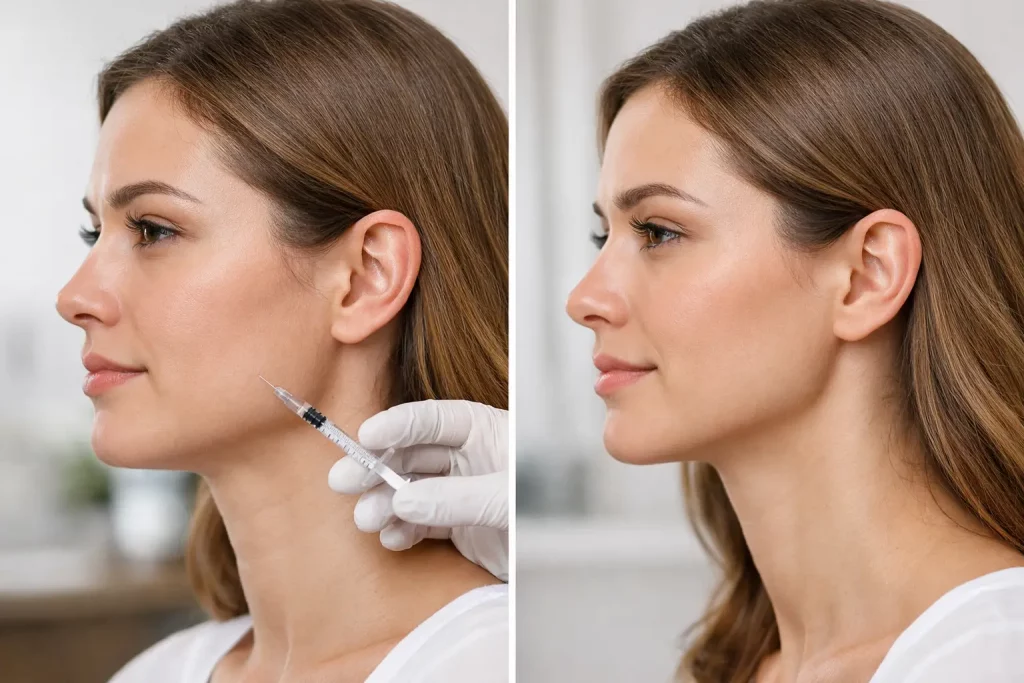
Your filler appointment should feel exciting, not rushed. Whether you are enhancing your lips, restoring cheek volume or softening the look of facial lines, knowing how to prepare for fillers can help you arrive feeling calm, informed and ready for your best result.

Dermal filler is a personalised treatment. The right product, placement and amount depend on your facial structure, skin, concerns and the look you want to achieve. A little preparation gives your practitioner the clearest picture of your goals and gives you time to plan around the short recovery period that can follow.

Start with a proper consultation

The most flattering results are never one-size-fits-all. Before booking treatment, arrange a consultation with a qualified, experienced aesthetics practitioner. This is where you can discuss the area you would like to treat, whether that is lips, cheeks, jawline, chin, smile lines or under-eye hollows, and talk honestly about the result you have in mind.

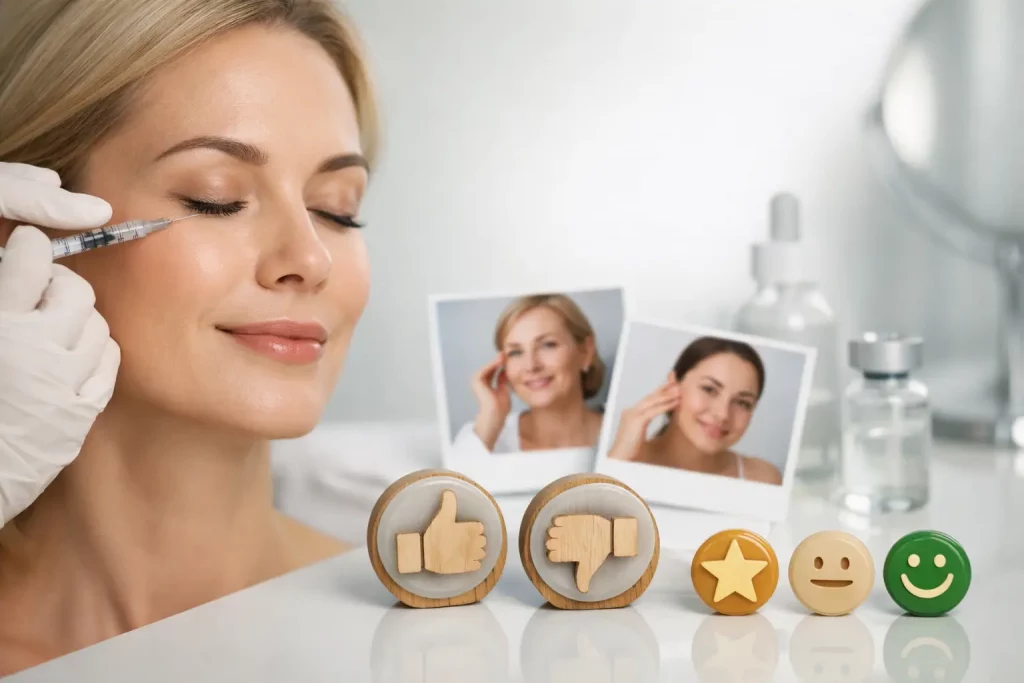
Bring reference photos if they help you explain your preferred look, but keep them realistic. A photo can show the style of lip shape or level of cheek definition you like, yet your own anatomy will always guide what is safe and suitable. A good practitioner will explain what can be achieved in one appointment and when a subtle, staged approach may look better than adding too much at once.

Use this time to share your full medical history, including allergies, current medication, supplements, previous filler treatments and any history of cold sores if you are considering lip filler. Mention recent dental work, skin treatments and planned procedures too. These details are not a formality – they help your practitioner decide whether treatment is appropriate and how to plan it safely.

Plan your diary before you book

Filler can create immediate enhancement, but it is not always an instant, final-result treatment. Mild swelling, tenderness, redness and bruising can happen, particularly around the lips. Most people can return to normal plans quickly, but it is wise to allow time for the area to settle.

If you are preparing for a wedding, birthday, holiday or major night out, book your appointment at least two weeks beforehand where possible. This gives any swelling or bruising time to resolve and lets the filler settle naturally. For a first-time treatment or a more noticeable change, giving yourself a little extra breathing room is even better.

Avoid arranging filler immediately before a big event simply because you want a last-minute glow-up. The best aesthetic work looks polished and effortless, and that means giving your face time rather than putting pressure on your appointment.

How to prepare for fillers in the week before

In the days before your appointment, focus on keeping your skin calm and your body well supported. Stay hydrated, eat normally and avoid trying a new facial, active skincare product or cosmetic treatment close to your booking. Irritated, broken or inflamed skin may mean your treatment needs to be postponed.

To reduce the chance of bruising, your practitioner may advise avoiding alcohol for 24 to 48 hours before treatment. You may also be asked to avoid medicines or supplements that can increase bruising, such as aspirin, ibuprofen, fish oil, vitamin E, ginkgo and certain herbal products. Do not stop prescribed medication without speaking to the clinician who prescribed it. Your safety always comes first.

If you are having lip filler and are prone to cold sores, tell your practitioner well in advance. Lip injections can sometimes trigger an outbreak, and they may recommend that you speak with your GP or pharmacist about suitable preventative medication.

There are a few occasions when it is better to wait. Filler may need to be delayed if you are pregnant or breastfeeding, unwell, have an active cold sore, infection, rash, spot or wound near the treatment area, or have recently had dental treatment. Your practitioner will advise based on your individual circumstances.

Arrive with a clean, comfortable face

On the day, come to your appointment feeling like yourself. Eat a light meal beforehand unless you have been told otherwise, drink water and wear comfortable clothing. Feeling faint is more likely when you have skipped food or rushed across town on an empty stomach.

Arriving without makeup is ideal, especially if you are having facial filler. It allows the skin to be assessed and cleansed properly. If you need to come straight from work, that is fine – your practitioner can cleanse the treatment area. Just avoid applying heavy makeup afterwards until you have been given clear aftercare advice.

Try not to arrive after an intense gym session, a sauna visit or a boozy brunch. Heat, increased circulation and alcohol can contribute to swelling or bruising. Make the appointment the calm part of your day, then save the high-energy plans for later in the week.

Be clear about the result you want

There is a big difference between wanting fuller lips and wanting a completely different lip shape. Equally, asking for a sharper jawline may call for a different approach than treating loss of volume through the cheeks. Specific goals help your practitioner tailor the treatment, but flexibility matters too.

Think about what you want people to notice. You may want your lips to look more balanced, your profile to appear more defined, or your face to look fresher without anyone being able to pinpoint why. These are useful descriptions because they focus on the overall effect, not just the amount of filler used.

Do not feel pressured to have more treatment than you planned. Beautiful filler should complement your features, not compete with them. Starting conservatively is often the smarter choice, especially if it is your first time. You can review the result once swelling has settled and decide with your practitioner whether you would like further refinement.

Know what happens during the appointment

Your practitioner should talk you through the treatment before starting, including the product being used, the areas being treated, possible side effects, aftercare and warning signs that require urgent medical attention. You should have the opportunity to ask questions and give informed consent.

The area is usually cleansed and marked, and numbing cream may be used depending on the treatment. Many modern fillers also contain local anaesthetic to improve comfort. You may feel pressure, a small pinch or a brief stinging sensation, but treatment is usually quick.

A mirror check during or after treatment can be helpful, although remember that early swelling can make the result look different to how it will look a few days later. Trust the process, take your practitioner’s advice and avoid judging the final outcome in the chair.

Make space for aftercare

Preparation does not end when the appointment begins. Have a gentle evening planned, particularly if you are having lip filler or multiple areas treated. Avoid touching, rubbing or massaging the area unless your practitioner specifically tells you to do so.

You will usually be advised to avoid strenuous exercise, alcohol, excessive heat, saunas and steam rooms for the first 24 to 48 hours. Sleeping with your head slightly elevated on the first night can be more comfortable if you experience swelling. A cool compress may help, but do not apply ice directly to the skin or press firmly on the treated area.

Follow the aftercare instructions you are given rather than relying on general social media advice. Contact your practitioner promptly if you are concerned about increasing pain, unusual discolouration, skin that feels cold, or any symptom that seems out of proportion. With aesthetic treatment, it is always better to ask early.

Choose a practitioner, not just a price

Fillers are an aesthetic treatment, but they require clinical knowledge, careful technique and a strong understanding of facial anatomy. A low price alone should never make the decision for you. Look for a practitioner who offers a consultation, discusses risks as well as benefits, uses reputable products and makes you feel comfortable asking questions.

At Glam Master, filler appointments are approached as a personalised enhancement, with time to discuss the look you want and the treatment that best supports it. Whether you want soft, hydrated-looking lips or elegant facial contour, the aim is confidence that still looks like you.

Give yourself permission to ask for a plan that suits your face, your budget and your diary. The right appointment is not about chasing someone else’s features – it is about stepping out feeling refreshed, refined and ready to enjoy your reflection.
How to Choose Your Hair Extension Method

How to Choose Your Hair Extension Method

A hair transformation should feel glamorous from the salon chair to your next maintenance appointment – not heavy, uncomfortable or difficult to style. If you are trying to choose a hair extension method, the right answer depends on more than the length you want. Your natural hair density, scalp comfort, styling routine, budget and how often you can return for maintenance all matter.

The best extensions blend naturally, move beautifully and fit into your real life. Whether you want a fuller ponytail, mermaid-length waves for a special occasion or a complete everyday confidence boost, a professional consultation helps match the method to your hair rather than forcing your hair to suit a method.

Choose a Hair Extension Method Around Your Lifestyle

Before focusing on the finished look, think about what an ordinary week looks like for you. Do you wear your hair up for work or the gym? Do you wash and heat-style it several times a week? Are you happy to keep up with salon maintenance, or do you need a lower-commitment option?

Permanent and semi-permanent methods can create the most polished, natural-looking result because the extensions are fitted section by section and can be tailored around your parting, face shape and existing layers. They do, however, need careful aftercare and regular refitting as your natural hair grows. If maintenance appointments are difficult to fit around your diary, temporary extensions may be a smarter choice.

Your desired change matters too. Adding subtle fullness usually needs a different amount and placement of hair than adding serious length. A good stylist will assess whether your own hair can comfortably support the weight required for your dream result. More hair is not always better – the aim is a full, luxurious finish that still protects your natural hair.

The Main Hair Extension Methods Explained

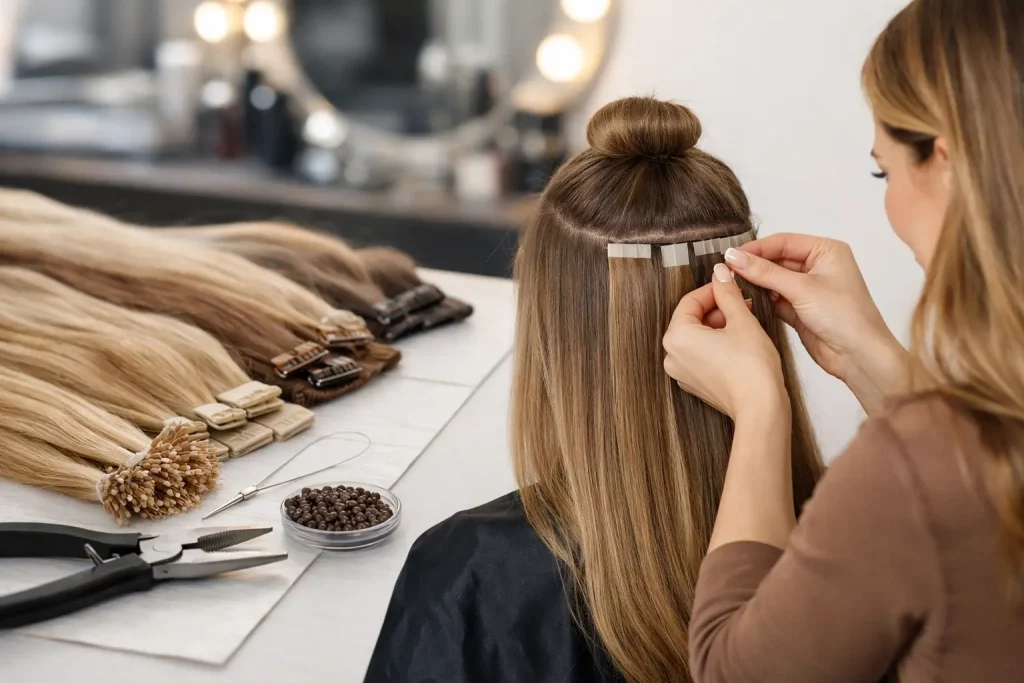
Tape-in extensions

Tape-in extensions are applied in neat, flat sandwich sections using adhesive tabs. They are popular for their discreet finish and relatively quick application, especially for clients with fine to medium hair who want fullness without bulky attachment points.

Because the tapes lie flat, they can feel comfortable and blend well when fitted correctly. They need to be moved up as your hair grows, typically every six to eight weeks, and products containing oils or heavy conditioner should be kept away from the adhesive area. Tape-ins suit clients who love a sleek, polished style and are prepared to follow aftercare closely.

Nano ring and micro ring extensions

Nano rings and micro rings attach small extension strands to your natural hair using tiny rings. Nano rings are especially discreet, while micro rings are slightly larger and can be suitable for clients with enough natural hair to conceal the attachment points.

These methods do not rely on heat or glue, which appeals to many clients. They can also be adjusted and refitted during maintenance visits. The trade-off is that they need precise sectioning and regular checking. If you often wear very high ponytails or have exceptionally fine hair around the hairline, your stylist may recommend another option or adjust the placement carefully.

Keratin bond extensions

Keratin bond extensions use individual strands bonded to sections of natural hair with a professional heat application. This creates a beautifully flexible, natural movement, making them a favourite for clients who want a long-lasting, custom-blended transformation.

The bonds are small, so they can be placed strategically for soft layers, added thickness or length. They are not usually reused once removed, meaning they can be a higher-investment choice over time. They also require gentle brushing and a commitment to avoiding conditioner directly on the bonds. For the right hair type and lifestyle, the finish can be exceptionally polished.

Weave or sewn-in extensions

A weave is created by attaching extension hair to a braided foundation or track in the natural hair. This method can provide impressive volume and is often chosen for thicker, stronger hair that can support the technique comfortably.

Weaves can be efficient when adding a substantial amount of hair, but tension must always be assessed properly. They are not automatically the best choice simply because you want maximum volume. A professional should check your scalp sensitivity, hairline condition and natural hair strength before recommending this method.

Clip-in extensions

Clip-ins are temporary pieces that you apply and remove yourself. They are ideal for a party, wedding, holiday or anyone who wants the option of fuller hair without a salon maintenance schedule. They can also be a useful first step if you are unsure how you will feel with longer hair.

The key is correct placement. Clips should not be worn in exactly the same spot every day, and they should be removed before sleeping. While clip-ins offer flexibility, they do not deliver the same continuous, tailored blend as professionally fitted extensions.

Your Natural Hair Comes First

Extensions should enhance healthy hair, not disguise a problem that needs attention. If your hair is very fragile, breaking, heavily bleached or thinning, a responsible stylist may advise a different plan first. This could mean a restorative cut, conditioning treatments, a change in colouring routine or a temporary option while your hair recovers.

Fine hair does not rule out extensions, but it does change the conversation. Lightweight methods, fewer strands and carefully hidden placement may give you a far better result than trying to achieve dramatic length in one appointment. Likewise, very thick hair often needs enough extension hair to blend properly, otherwise the contrast between your natural ends and the added length can look obvious.

Be honest about chemical treatments too. If you colour your hair regularly, use keratin smoothing services or have recently had bleach applied, your extension plan should work around that. Colouring and extensions can look stunning together, but timing and product choice make a real difference to hair condition.

Budget for the Whole Extension Journey

The fitting appointment is only one part of the cost. To choose your hair extension method wisely, ask about the price of the hair, fitting, removal, refitting, replacement hair and the aftercare products that protect your investment.

Reusable methods may cost differently over several appointments compared with single-use bonded strands. A lower initial price is not always the best value if the method does not suit your routine or requires more frequent work than you expected. A clear consultation should give you realistic expectations, not just a tempting first figure.

It is also worth considering the time involved. Some methods take longer to apply, while others need more frequent move-up appointments. The right choice is the one you can maintain comfortably without rushing your hair care.

Questions to Ask at Your Consultation

Bring photos of the kind of length, thickness and colour blend you love, but stay open to expert guidance. The photo may show hair that has been styled, lit and edited, so your stylist can explain what is achievable with your starting length and density.

Ask which method will be gentlest for your hair, how many packs or grams may be needed, how long the appointment will take and when you should return for maintenance. You should also ask how to wash, brush, sleep and heat-style your extensions, plus what signs mean you should contact the salon sooner.

At Glam Master, a hair extension consultation is the place to create a look that feels personal, wearable and beautifully blended. A professional assessment means you can choose your shade, length and method with confidence rather than guessing from a photo online.

Make Your New Hair Easy to Love

Whichever method you choose, your aftercare protects the look. Use a suitable extension brush, start brushing from the ends and work upwards, and hold the roots gently when detangling. Keep rich masks and conditioner away from bonds, rings or tapes unless your stylist advises otherwise, and never sleep with wet hair.

Extensions should feel secure but never painful. Persistent pulling, headaches, itching, slipping or visible attachment points are reasons to contact your stylist promptly. Do not try to remove professionally fitted extensions at home, as this can cause unnecessary breakage.

The most flattering extension method is not necessarily the longest-lasting or the most dramatic. It is the one that suits your hair, your routine and the version of yourself you want to see in the mirror. Book a consultation, be clear about your goals, and let expert advice turn your hair inspiration into a result you can wear with confidence.

Botox Customer Reviews: What Really Matters

Botox Customer Reviews: What Really Matters

A glowing five-star rating can be reassuring, but the most useful Botox customer reviews tell you far more than whether someone liked their appointment. They reveal how the practitioner listened, whether the treatment felt personalised, how the client looked after the results settled, and whether they felt comfortable returning. When you are choosing an injectable treatment, those details matter.

Botox is about refinement, not changing your face beyond recognition. The right treatment can soften the appearance of expression lines and help you look fresher, more rested and still completely like yourself. Before booking, take a closer look at what real clients are saying – then bring your questions to a proper consultation.

What Botox customer reviews should actually tell you

The strongest reviews are specific. Rather than simply saying “love my Botox”, look for comments about the whole experience: the consultation, the practitioner’s approach, the atmosphere, aftercare and the final result. A client who says they felt heard when discussing forehead lines, frown lines or crow’s feet gives you a clearer picture than a quick rating alone.

Pay attention to language around natural-looking results. Many people worry that Botox will make them look frozen or unable to move their face. A skilled practitioner should discuss your desired level of movement and assess your facial expressions before treatment. Clients may want a smooth, polished look for an event, while others prefer a softer result that simply takes the edge off visible lines. Neither preference is wrong, but the treatment plan should reflect it.

Reviews can also show whether a clinic takes the time to manage expectations. Botox does not produce its final effect immediately. Clients commonly start to notice changes over several days, with results usually developing over around two weeks. A responsible review may mention being advised to wait before judging the outcome, rather than expecting an instant transformation on the day.

Look for personalised care, not one-size-fits-all treatment

Every face moves differently. The amount and placement of Botox suitable for one person may not be right for another, even if they are the same age or have similar lines. Good reviews often mention that the appointment did not feel rushed and that the practitioner explained what could realistically be achieved.

That is particularly valuable if it is your first time. You may arrive thinking you need treatment across several areas, then find that a more subtle approach suits your face and budget better. Equally, someone returning for maintenance may already know the finish they prefer. The best aesthetic appointments leave room for both conversations.

Look for feedback that describes a practitioner as honest. You want someone who can say yes when a treatment is suitable, but who is also willing to advise waiting, reducing the amount used or considering another option when necessary. An injector who prioritises a balanced result over selling the largest possible treatment is worth noticing.

Details that make a review more credible

Reviews do not need to be long to be useful, but the most credible ones often include a few practical details. They may mention the area treated, such as the forehead or frown lines, whether it was a first appointment or a top-up, and how they felt once the result had settled. A comment about clear aftercare or a follow-up plan is also encouraging.

It helps when reviews acknowledge that treatment is personal. For example, a client may say they wanted their frown lines softened while keeping natural brow movement. That is much more informative than a promise of perfection. Cosmetic treatments involve individual anatomy, muscle activity and preferences, so results can vary.

Photos can add context, but assess them carefully. Lighting, make-up, facial expression and angles can all make a big difference. The most meaningful before-and-after images are consistent in lighting and positioning, and show a relaxed face as well as expression where appropriate. They should support, rather than replace, a proper consultation.

Red flags to keep in mind before you book

A high number of reviews is not the only thing that matters. Read a mix of recent comments and look for patterns. Are clients repeatedly praising clean surroundings, professional advice and a comfortable manner? Or do reviews focus only on bargains, with no mention of the practitioner, consultation or aftercare?

Be cautious if a clinic appears to promise that every client will get identical results, zero movement or a completely risk-free experience. No injectable treatment is suitable for everyone, and any responsible provider should discuss potential side effects, relevant medical history and when treatment should be postponed. Mild redness, swelling or bruising can occur after injections, and your practitioner should explain what is normal and when to contact them for advice.

It is also sensible to step back from reviews that make dramatic claims without any detail. Botox can be an excellent option for the right person, but it is not a replacement for a healthy skincare routine, sun protection or professional medical advice. A trustworthy aesthetic provider will keep the conversation realistic.

Questions reviews cannot answer for you

Even the best Botox customer reviews cannot tell you whether Botox is right for your individual features or goals. That is what a consultation is for. Use what you have read to shape your questions.

Ask who will carry out the treatment, how they assess facial movement, what result they would recommend for your concerns, and how long you should expect your results to last. Ask about aftercare too. You may be advised to avoid rubbing the treated area, strenuous exercise, alcohol and lying flat for a period after your appointment, depending on the practitioner’s guidance.

If you are planning treatment before a wedding, holiday, birthday or big night out, do not leave it until the last minute. Give yourself enough time for the result to settle and for any temporary redness or bruising to resolve. First-time clients especially benefit from planning ahead rather than booking under pressure.

Pregnancy, breastfeeding, certain health conditions, allergies, medications and previous aesthetic treatments can affect whether treatment is appropriate. Be open during your consultation. It is not about being judged – it is how your practitioner protects your safety and helps you make an informed decision.

Choosing Botox with confidence in Manchester

For clients who want beauty maintenance and advanced aesthetics in one place, convenience is a real benefit. You might book a facial, lashes or hair appointment around your diary, but Botox deserves its own considered consultation. Give yourself the same care you would when choosing a new hair colour or a major skin treatment, only with an even sharper focus on expertise and suitability.

At Glam Master, the aim is to make your appointment feel clear, comfortable and tailored to your look. Whether you want a subtle refresh or are considering Botox for the first time, start with a conversation about your goals, facial movement and the finish you want to achieve. You should never feel pressured to have more treatment than you need.

The review that matters most is the one you will be able to write after feeling listened to, well informed and happy with a result that still feels like you. Book a consultation when you are ready to ask the right questions and choose your treatment with confidence.

Masseter Botox Before After Results Explained

Masseter Botox Before After Results Explained

A strong, square jaw can look beautifully defined, but when the masseter muscles are overworked, it can also make the lower face appear wider or create uncomfortable clenching. Masseter Botox before after results can be striking, but they are not an overnight face change. The treatment works gradually, with results shaped by your muscle strength, facial structure, dose and treatment goals.

For clients who want a softer lower-face contour, less jaw tension or support with teeth grinding, this is a precision treatment that deserves a proper consultation. The best result is not a copy of someone else’s before-and-after photo. It is a balanced, natural-looking change that still looks like you.

What does masseter Botox actually do?

The masseter is the powerful chewing muscle at the back of each jaw. It can become enlarged through genetics, regular gum chewing, jaw clenching or bruxism, which is the habit of grinding teeth. Botulinum toxin injections temporarily reduce the muscle’s activity. Over time, a less active muscle may reduce in bulk, creating a more tapered appearance through the lower face.

For some clients, the aesthetic benefit is a subtly slimmer jawline. For others, the biggest difference is functional: less tension on waking, fewer clenching episodes and reduced facial soreness. These goals often overlap, but they are not the same thing. If tooth grinding is affecting your teeth, gums or sleep, it is sensible to speak to your dentist too. Botox may help muscle tension, but it does not replace dental care or a night guard where one is needed.

Masseter Botox before after: when will you see a change?

The first thing to know is that there are two timelines. Muscle movement begins to reduce before the face visibly changes. A good practitioner will set this expectation from the start, rather than promising a dramatic result by the weekend.

The first few days

You may notice mild tenderness, tiny injection marks or a small amount of swelling around the jaw. This usually settles quickly. Most people can return to normal daily plans straight away, although it is wise to give your face a little breathing room and follow your aftercare advice.

Around two weeks

This is often when reduced clenching or a lighter feeling in the jaw becomes more noticeable. A review may be recommended depending on your treatment plan. The visual change may still be subtle because the masseter muscle needs time to reduce in size.

Four to eight weeks

This is the stage where many masseter Botox before-after comparisons begin to show a clearer contour change. The lower face can look less broad from the front and more refined in photographs, particularly if enlarged masseters were a major contributor to the jaw shape.

Three to six months

Results vary, but the effects are temporary and maintenance appointments are usually needed to retain them. People with very strong masseter muscles may need a different plan from someone seeking a small, softening adjustment. Your practitioner should assess results conservatively and adjust only where appropriate.

Why before-and-after photos can look very different

A before-and-after image can be useful, but it cannot tell the whole story. Lighting, head position, facial expression, weight changes and even how tightly someone is clenching can alter the appearance of the jaw. The most reliable comparison uses photos taken at the same angle, in similar light and with the jaw relaxed.

Your natural bone structure matters too. Masseter Botox can reduce muscular width, but it does not change the jawbone, remove fat or tighten loose skin. If a wide lower face is mainly caused by bone structure, jowls or fullness under the chin, another treatment approach may be more suitable. This is why a consultation should focus on your face, not a one-size-fits-all trend.

Is masseter Botox right for your goals?

This treatment can suit clients who feel their jaw looks bulky due to strong chewing muscles, clench during stressful periods, grind their teeth, or want a gentler V-shaped lower-face contour. It can be especially appealing if you want a non-surgical option with minimal downtime and a natural progression rather than an instant, obvious transformation.

It is not ideal for everyone. If your main concern is skin laxity, a weak chin, pronounced jowls or facial volume loss, relaxing the masseters may not give the effect you have in mind. In some faces, over-treating this area can make the lower face look less supported. A responsible practitioner will sometimes advise against treatment, recommend a lower dose or suggest waiting until a clearer plan is in place.

Pregnancy and breastfeeding, certain neurological conditions, active skin infections and some medications may mean treatment should be postponed or avoided. Always share your complete medical history, allergies and dental concerns during your consultation.

What happens at a masseter Botox appointment?

Your appointment should begin with an assessment of your jaw at rest and while clenching. The practitioner will check the size and movement of each masseter muscle, discuss any history of jaw pain or grinding, and talk through the result you want. This is the time to be honest about whether you want facial slimming, clenching relief or both.

The injections themselves are quick. Small amounts of product are placed into carefully selected points in each masseter. Precision matters because the jaw contains several muscles, and placement needs to support natural expression and function. You should never feel rushed into treatment or pressured to have more units than your assessment calls for.

At Glam Master, a consultation can help you understand whether masseter Botox fits your face, lifestyle and goals before you commit. A tailored plan is far more valuable than choosing treatment based on a filtered social media photo.

Possible side effects and the trade-off to consider

Masseter Botox is commonly performed, but it is still a medical aesthetic treatment and should be carried out by an appropriately qualified practitioner. Common short-term effects include tenderness, bruising, slight swelling or a headache. These are usually temporary.

Less commonly, people can experience temporary chewing fatigue, an uneven smile or facial asymmetry if the product affects nearby muscles. This is one reason a cheap, high-dose offer is not a good reason to choose a provider. The aim is to relax the muscle enough to meet your goals while preserving comfortable chewing and balanced facial movement.

Ask who will perform your treatment, how your suitability is assessed, what product is being used and what support is available if you have a concern afterwards. Clear answers are part of a quality aesthetic experience.

Aftercare for the best possible result

Follow the specific advice given at your appointment, as it may differ depending on your treatment. In general, avoid rubbing or pressing firmly on the injection area straight afterwards. Keep exercise, alcohol, heat treatments and facial massage on hold for the period advised by your practitioner, and avoid booking a deep facial massage immediately after your injections.

Try not to judge your result too early. Take relaxed, consistent photos before treatment and again at four, eight and twelve weeks if you want to track your progress properly. If you clench at night, manage stress where possible and continue any dental advice you have been given. Your jawline treatment works best as part of a plan that looks after the cause of the tension as well as the visible effect.

The most flattering masseter Botox result is usually the one that makes friends say you look rested, rather than asking what you had done. Book a consultation when you are ready to discuss your jaw concerns openly, set realistic expectations and choose a result that feels polished, confident and completely your own.

Hair Colour Correction: What Your Hair Needs

Hair Colour Correction: What Your Hair Needs

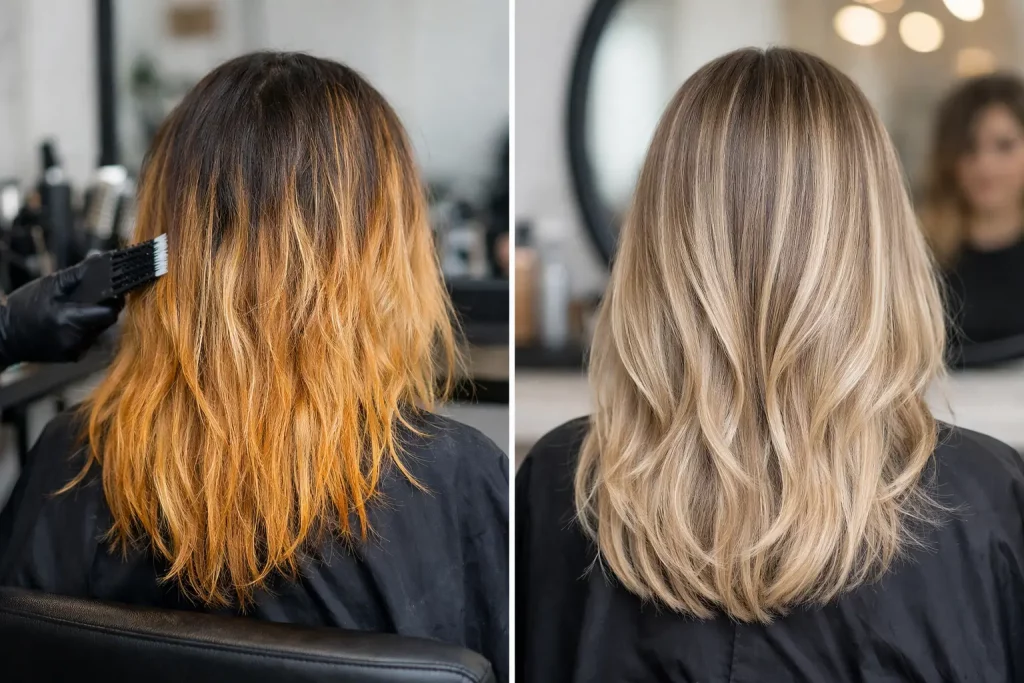
That orange band around your roots, box-dye black that suddenly feels far too dark, or blonde that has turned yellow after a few washes can make you want an instant fix. Hair colour correction is the professional route back to a shade that looks intentional, polished and right for you – without taking unnecessary risks with your hair’s condition.

The best results are never about simply putting another colour on top. They come from understanding what is already in the hair, choosing the right route forward and being realistic about the journey. Sometimes that means a gorgeous transformation in one appointment. Sometimes it means a carefully planned series of appointments that keeps your hair looking beautiful at every stage.

What is hair colour correction?

Hair colour correction is a tailored salon service used to improve an unwanted, uneven or unsuitable colour result. It may involve lifting artificial colour, neutralising brassiness, softening harsh regrowth, filling overly light hair before going darker, blending patchy areas or restoring a more natural-looking finish.

There is no single correction formula because every head of hair has a different history. A client who has used a dark home dye for years needs a very different approach from someone with fresh highlights that have gone too warm. Your natural base, previous colour, bleach history, hair thickness and condition all affect what can be achieved safely.

This is why a professional stylist will look beyond the colour you can see in the mirror. They will assess the underlying pigments in your hair and the likely result of each colour process before beginning. It is the difference between a quick cover-up and a colour that genuinely looks considered.

Start with a proper colour consultation

A consultation is not an optional extra when correcting colour. It is where the safest, most flattering plan begins. Bring inspiration pictures if you have them, but also be ready to explain exactly what you have used on your hair over the last few years, including home dyes, toners, henna, colour-depositing masks and previous salon work.

Honesty matters here. Certain products can react unpredictably with lightening services, while layers of dark dye may need time and multiple stages to lift evenly. A stylist is not judging your hair history – they are protecting your hair and planning the result you want.

A strand test may be recommended, especially if your hair has been coloured at home, bleached repeatedly or feels dry and fragile. This small test gives valuable information about how your hair will lift, how the tone will develop and whether it is ready for the planned service.

At Glam Master, a colour consultation is your chance to discuss the finish you want, whether that is brighter blonde, richer brunette, a softer balayage blend or a complete reset after a colour mishap. You should leave knowing the likely process, the level of maintenance involved and whether your goal is realistic for your current hair.

The most common colour problems and how they are corrected

Brassiness and unwanted warm tones

Brassy hair is one of the most common reasons clients book a correction. Blonde, highlighted and light brown hair can reveal yellow, gold or orange tones as a toner fades, particularly if the hair has been lifted from a naturally darker base.

The right fix depends on the warmth present. Pale yellow often needs a violet-based toner, while stronger orange tones may need blue or ash tones. If the hair has not been lifted light enough, toner alone cannot create an icy blonde. Further lightening may be needed first, provided the hair is in good enough condition.

Colour that is too dark

Going darker can feel glamorous until black or deep brown looks flat, harsh or unlike the shade you had imagined. Removing dark artificial colour is one of the more complex correction services, particularly where permanent box dye has been applied several times.

A stylist may use a colour remover, gradual lightening techniques or carefully placed highlights to break up the darkness. Expect warm red, copper or orange undertones to appear during this process. They are not necessarily a mistake – they are part of the pigment journey and may need to be refined over more than one visit.

Patchy colour, bands and uneven roots

Uneven colour often happens after home bleaching, overlapping lightener or applying different shades over time. You might have a bright root area, a darker middle band and lighter ends, or highlights that look stripy rather than blended.

Correcting this needs precision. Your stylist may add lowlights to create depth, lighten selected dark areas, root-smudge for a softer transition or tone the whole result to bring the shades together. The aim is usually dimension rather than one flat block colour, as this gives a more natural and forgiving grow-out.

A shade that does not suit you

Not every colour disaster is technically bad colour. Sometimes the finish is even and glossy but simply too warm, too cool, too intense or too dark against your skin tone. This can often be a more straightforward correction, using a gloss, toner or carefully chosen all-over colour to rebalance the result.

Your lifestyle matters too. A high-maintenance platinum blonde may look incredible but needs regular toning, careful home care and root appointments. A lived-in blonde, soft brunette or dimensional balayage can offer a glamorous change with less pressure between salon visits.

Can every correction be done in one appointment?

It depends on your starting point and the condition of your hair. A toner adjustment or a blend of lowlights may be completed in one visit. Moving from heavily dyed black to a bright, cool blonde is a much bigger project and should never be rushed just to meet a deadline.

Trying to force hair through too much lightening can lead to breakage, rough texture and a result that will not hold tone well. A skilled stylist may recommend a staged plan, taking you gradually lighter while keeping the hair healthy and wearable. You can still leave each appointment with a beautiful colour – just not always the final dream shade immediately.

If you are preparing for a wedding, holiday or major event, arrange your consultation as early as possible. That gives you more choice, more time for conditioning treatments and a better chance of reaching your goal safely.

How to prepare for your appointment

Arrive with dry hair and avoid using heavy oils, temporary root sprays or colour-depositing products immediately beforehand unless your stylist has advised otherwise. Take clear photos in daylight of the colour you have now, especially if you are booking a consultation before the service.

Do not attempt another home fix in the days before your appointment. Even a seemingly harmless purple shampoo, toner or supermarket dye can alter the plan and make the correction more difficult. If you are unhappy with your colour, pause and get professional advice before adding anything else.

It also helps to wear a top that makes you feel good. Colour consultations are about more than technical details – seeing the proposed shade against your usual style and complexion helps you decide what will make you feel your best.

Keep your corrected colour looking fresh

Once your colour has been corrected, home care protects the investment. Use salon-recommended shampoo and conditioner suited to your shade and hair condition, and keep heat styling controlled with a heat-protection product. Blonde and cool-toned brunette shades may benefit from occasional purple or blue shampoo, but overusing it can leave hair dull or overly muted.

Hydration is equally important after lightening. Alternate moisture-focused care with strengthening treatments if advised, and book trims when your ends need attention. Chlorine, sea water, hard water and frequent high-heat styling can all shift tone or dry the hair, so a gloss or toner refresh between larger colour appointments can be a smart way to maintain shine.

Your stylist can also guide you on realistic maintenance. Some shades need a refresh every few weeks, while others are designed to grow out softly over months. The best colour is not only the one that looks amazing on appointment day – it is the one that works with your time, budget and hair goals.

If your colour has gone wrong, resist the urge to keep correcting it at home. Book a consultation, share your full colour history and give your hair the expert care it deserves. A calm, considered plan can turn an unwanted result into the fresh, confident look you were hoping for.

Laser Versus Electrolysis Hair Removal Compared

Laser Versus Electrolysis Hair Removal Compared

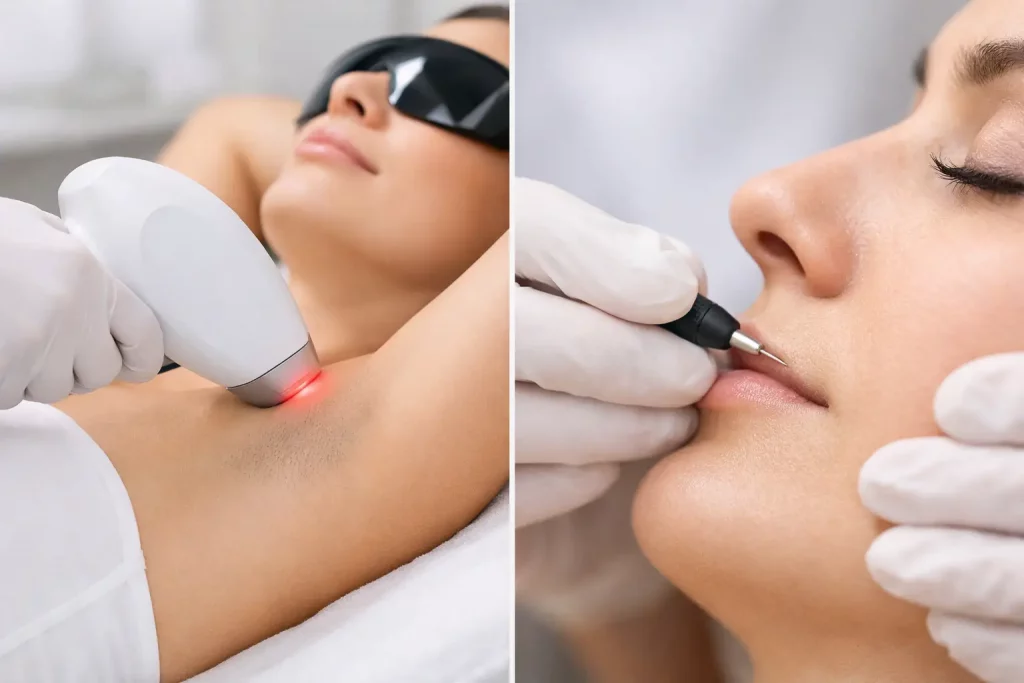
That daily shave before a night out, the ingrown hairs after waxing, the shadow that returns far too quickly – unwanted hair can take more time and confidence than it deserves. When comparing laser versus electrolysis hair removal, the best choice is not simply the one that sounds most permanent. It is the treatment that suits your hair, skin, treatment area, budget and the results you want to see.

Both options can dramatically reduce the need for razors, waxing strips and last-minute salon appointments. They work in very different ways, though, which is why a proper consultation matters before you commit to a course.

Laser versus electrolysis hair removal: the key difference

Laser hair removal uses concentrated light energy to target pigment in the hair. The heat travels down the hair shaft to the follicle, helping to disrupt future growth. Because the laser can treat many hairs at once, it is a popular choice for larger areas such as the legs, underarms, bikini line, back and chest.

Electrolysis treats one follicle at a time. A very fine probe is placed into the natural opening of the hair follicle, then a small electrical current destroys the growth cells. This makes electrolysis highly precise and suitable for individual hairs, including pale, grey, white, red or very fine hairs that laser may not recognise effectively.

In simple terms, laser is usually the faster route for reducing a large amount of dark, coarse hair. Electrolysis is the detail-focused option for permanently treating individual follicles. Many clients find that the most effective plan can involve both: laser for broad clearance, followed by electrolysis for the remaining lighter or more stubborn hairs.

How laser hair removal works

Hair grows in cycles, and laser is most effective when a hair is in its active growth stage. Not every follicle is active at the same time, so treatments are spaced over several weeks to catch new groups of hairs as they enter that phase.

A course is normally recommended rather than a single appointment. The exact number of sessions depends on the area, hair density, hormone levels and how your body responds. Underarms and lower legs may respond relatively quickly, while facial hair and bikini hair can be more influenced by hormones and may need ongoing maintenance.

Who laser suits best

Laser usually performs best where there is a clear contrast between the hair and surrounding skin, particularly dark, visible hair. The technology and settings used should always be selected with your skin tone and hair type in mind. A consultation and patch test help assess suitability and support a safe, tailored treatment plan.

Laser does not work equally well on every hair colour. Blonde, grey, white and red hairs contain little or no pigment for the laser to target. If those are the hairs bothering you most, electrolysis may be the more worthwhile investment.

What laser feels like

Most clients describe laser as a quick warmth or an elastic-band flick against the skin. Sensation varies by body area, with the upper lip and bikini line often feeling more sensitive than legs or arms. Modern cooling methods can make appointments far more comfortable, and sessions are usually quick for smaller areas.

You may notice temporary redness or mild warmth afterwards, much like skin after a short spell in the sun. Your practitioner will give you aftercare guidance, which commonly includes avoiding heat, sun exposure, fragranced products and vigorous exercise for a short period.

How electrolysis hair removal works

Electrolysis does not rely on hair pigment. Instead, it reaches the follicle directly, which is why it can treat hairs of any colour and works across skin tones. Each hair is treated individually and removed with tweezers once the follicle has been treated.

There are different electrolysis methods, but the common aim is the same: disable the follicle so that it cannot produce another hair. A follicle that has been effectively treated will not regrow hair. However, because follicles work on different growth cycles, repeated appointments are still needed to treat hairs as they become visible.

Who electrolysis suits best

Electrolysis can be an excellent option for small, detailed areas. Think chin hairs, upper lip hairs, stray brow-area hairs, fingers, toes, the navel line or a few persistent hairs left after a laser course. It is also a strong choice for clients with light hairs who are frustrated that other hair-removal methods offer only temporary results.

For larger areas with dense hair growth, electrolysis can be time-consuming. Treating every follicle on both full legs, for example, would involve many hours over an extended period. That does not make it the wrong choice, but it does mean clients should go in with realistic expectations about time and cost.

What electrolysis feels like

The sensation is often described as a brief heat, pinch or tiny sting in each follicle. Comfort depends on the treatment area, the thickness of the hair, your personal sensitivity and the length of the appointment. Because electrolysis is precise and slow, it is particularly useful when every individual hair matters.

After treatment, small red bumps or slight swelling can occur around treated follicles. These usually settle, but good aftercare is essential. Avoid picking, touching or applying heavy makeup to the area straight away, especially after facial treatment.

Results, permanence and realistic expectations

This is where the wording matters. Laser hair removal is generally described as long-term hair reduction. Many clients see significantly slower, finer and sparser regrowth after a course, then choose occasional top-up sessions to maintain their smooth result. It can be a huge convenience upgrade, but it is not a promise that every hair will disappear forever.

Electrolysis is recognised as a permanent hair-removal method because it treats each follicle directly. Still, permanent does not mean one appointment and done. New hair can become visible from follicles that were dormant during earlier sessions, and hormonal changes can stimulate new growth over time. Polycystic ovary syndrome, pregnancy, menopause and certain medicines can all affect hair patterns.

The honest answer is that results depend on consistency. Skipping appointments, shaving or plucking against your treatment plan, or expecting a single session to resolve years of hair growth will slow the process. A professional treatment plan should feel achievable around your routine, not like another source of pressure.

Which treatment is better for each area?

For broad areas with dark hair, laser is often the practical choice because it treats more ground in less time. Legs, underarms, standard bikini areas and larger body zones are common examples. It is ideal for clients who want to cut down the regular effort of shaving or waxing before holidays, gym sessions and special events.

For a small number of hairs, particularly if they are light or grey, electrolysis is often more effective. It can give precision where laser cannot. Facial hair is the area where the decision most often depends on the individual: dark, coarse facial hair may respond well to laser, while isolated pale chin hairs are better suited to electrolysis.

If you are concerned about hormonal facial hair, seek a consultation rather than choosing based on a social-media before-and-after. Your practitioner can discuss what is realistic, whether your hair pattern suggests a hormonal factor, and which route offers the best value over time.

Cost and time: look beyond the single session price

Laser sessions may cost more than a short electrolysis appointment, but the area is treated much faster. Electrolysis can appear affordable session by session, yet become a bigger commitment if you are treating a large, dense area. The smarter comparison is the total plan: how many sessions you may need, the size of the area, the likely maintenance and the result you are trying to achieve.

Avoid choosing solely on the cheapest advertised price. Safe, effective hair removal requires trained practitioners, appropriate technology, a consultation, patch testing where needed and clear aftercare. Your skin deserves more than a rushed bargain.

Prepare for a better treatment experience

For laser, you will usually be asked to shave the treatment area shortly before your session and avoid waxing, threading or plucking during the course, as the follicle needs to be present for the laser to target it. Limit sun exposure and avoid fake tan before treatment, as both can affect safety and settings.

For electrolysis, the hair normally needs enough length for the practitioner to remove it after treatment. Avoid plucking between sessions, and arrive with clean skin free from heavy lotions or makeup where possible. Your clinician will confirm the exact preparation for your chosen area.

A consultation at Glam Master can help you move past guesswork and build a hair-removal plan around your skin, hair and lifestyle. Whether you want smoother legs with less upkeep or confidence without those stubborn facial hairs, choose the treatment that makes your routine feel lighter – then give it the consistency it needs to work.

Can Botox Soften Frown Lines? What to Expect

Can Botox Soften Frown Lines? What to Expect

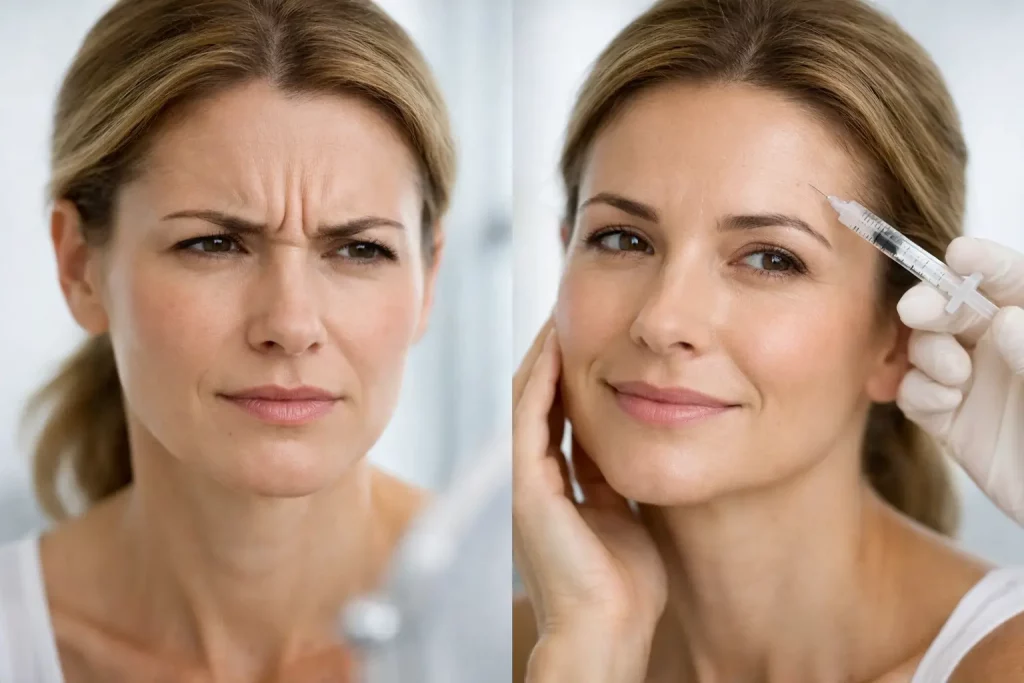
Those vertical lines between the eyebrows can make you look cross, worried or tired even when you feel perfectly relaxed. So, can Botox soften frown lines? For many people, yes. Anti-wrinkle injections can relax the small facial muscles that repeatedly pull the brows together, helping the area look smoother and more rested without changing who you are.

The best results are not about erasing every expression. They are about creating a fresher, softer look that still feels like you. A personalised consultation is the starting point, especially if your frown lines are deep, you have had treatment before, or you want a subtle first-time result.

Can Botox Soften Frown Lines at Any Age?

Botox is a brand name commonly used to describe botulinum toxin type A treatment. When prescribed and administered by an appropriately qualified medical professional, it temporarily reduces activity in selected muscles. In the frown area, these are usually the muscles responsible for drawing the eyebrows down and inwards.

Frown lines are often called the “11 lines” because they can appear as two vertical creases between the brows. Some people also develop a horizontal crease across the bridge of the nose or a more pronounced fold at the top of the nose. These lines form through years of facial movement, but genetics, sun exposure, smoking, stress and skin quality can all affect how early they show and how deeply they settle.

Treatment can be suitable for adults of different ages, but the likely outcome depends less on a number and more on the condition of your skin and lines. If your creases only show when you frown, they are known as dynamic lines and often respond very well. If they remain visible when your face is at rest, they are static lines. Botox may still soften them, but it may not remove them completely because the crease has become etched into the skin.

That distinction matters. A good practitioner will set realistic expectations rather than promise a completely blank forehead.

What Happens During Frown Line Treatment?

Your appointment should begin with a proper consultation. Your practitioner will ask about your medical history, current medicines, previous aesthetic treatments, allergies and what you would like to change. They should also assess how your brow and forehead move naturally. This is essential because every face has a different muscle pattern.

The injections themselves are quick. Small, carefully placed doses are delivered into the muscles around the glabella – the area between the eyebrows. Most clients describe the feeling as a brief pinprick. There is usually no need for downtime, so many people return to work, errands or plans afterwards.

For the rest of the day, follow the aftercare given by your practitioner. You may be advised to avoid rubbing the treated area, strenuous exercise, excessive heat, alcohol and lying flat for a short period. These instructions can vary, so your own aftercare advice should always take priority.

Tiny red marks, slight swelling or a small bruise can happen at injection points. These effects are normally temporary. If you are planning treatment ahead of a wedding, holiday or big night out, give yourself enough time rather than booking at the last minute.

When Will You See Results?

Anti-wrinkle treatment is not an instant fix. Most people begin to notice reduced movement within a few days, with the full effect usually developing over around two weeks. Your frown may feel less forceful first, then the area gradually appears smoother as the skin is no longer being repeatedly folded in the same way.

Results commonly last around three to four months, although this varies. Your metabolism, muscle strength, dose, treatment history and lifestyle all play a part. Some clients find that regular, appropriately spaced appointments help them maintain a softer look over time, while others prefer treatment only before major events or when movement starts returning.

It is tempting to think more product automatically means better results. It does not. An over-treated frown area can look heavy or unnatural, particularly if forehead movement and brow position have not been assessed properly. Precision is what creates a polished result.

What Botox Can and Cannot Do for Deep Lines

Botox works on the muscle action that causes frowning. It does not directly replace lost volume, resurface damaged skin or tighten loose skin. If you have deep lines at rest, your practitioner may discuss a combined plan that addresses both movement and skin quality.

Depending on your goals and suitability, this may mean giving Botox time to prevent the crease from worsening, alongside professional skin treatments and a consistent home routine. Daily SPF is one of the most worthwhile habits for protecting collagen and helping prevent lines from becoming more pronounced. Hydration, good sleep and avoiding smoking can support overall skin health too, although they cannot replace a clinical treatment.

Dermal filler is occasionally discussed for static lines, but the frown area is medically complex and carries significant risks if injected incorrectly. It is not a routine add-on and should only ever be considered following an in-depth assessment by a highly experienced, appropriately qualified practitioner. The safest treatment plan is not always the most dramatic one.

Choosing the Right Practitioner Matters

Botox is a prescription-only medicine in the UK. You should have a face-to-face medical assessment with a qualified prescriber before treatment is supplied, unless there is a lawful and clinically appropriate alternative arrangement led by the prescriber. Never buy injectable products online or accept treatment in an unregulated setting simply because the price is lower.

Ask who will prescribe the product, who will carry out the injections, what training and experience they have, and what happens if you need a review. You should feel able to ask questions without being rushed. A reputable practitioner will explain the benefits, limitations, possible side effects and aftercare clearly before you decide.

Botox is not right for everyone. Treatment may need to be postponed or avoided if you are pregnant or breastfeeding, have an infection at the injection site, have certain neurological conditions, or are taking particular medicines. This is why an honest medical consultation matters.

Possible side effects include headache, tenderness, bruising and temporary asymmetry. Less commonly, a drooping eyelid or brow can occur. Serious reactions are rare, but urgent medical advice is needed if you experience difficulty swallowing, speaking or breathing, severe weakness, or symptoms that concern you. Your practitioner should provide clear contact and follow-up information.

How to Keep Your Result Looking Natural

The most flattering frown-line results let people notice that you look well, not guess exactly what you have had done. Be clear about whether you want a completely smooth look or prefer some natural movement. Bring up any concerns about a heavy brow, asymmetry or previous disappointing treatment during your consultation.

Avoid booking repeated top-ups too soon. Your practitioner should assess the effect once it has had time to settle and recommend a safe treatment schedule based on your individual response. Chasing movement every few weeks is not the route to a better result.

At Glam Master in Manchester, a consultation can help you decide whether anti-wrinkle treatment fits your goals, your facial movement and your diary. It is a chance to discuss the look you want – from a light softening of the 11 lines to a more visibly smooth finish – before committing to treatment.

A softer frown can make a surprisingly big difference to how refreshed you feel when you catch your reflection. Give yourself the benefit of expert assessment, realistic expectations and enough time before an important occasion, then choose the treatment plan that feels right for your face.

Hairdressing Manchester for Your Next Hair Reset

Hairdressing Manchester for Your Next Hair Reset

A great hair appointment should do more than remove split ends. It should give you that polished, confident feeling when you catch your reflection after work, before a night out, or on the way to a big event. With hairdressing Manchester clients have plenty of choice, but finding a salon that understands your hair, your routine and the look you actually want is what makes the difference.

Whether you are ready for a bold colour change, need a tidy-up that still feels fresh, or want fuller lengths without months of waiting, the right plan starts with a proper conversation. Your hair should suit your face, lifestyle and maintenance comfort level – not just the latest photo you saved on your phone.

Hairdressing Manchester: Choose a Look That Works for You

The most flattering cut or colour is not always the most dramatic one. A sharp blunt bob can make fine hair look fuller, while long layers may bring movement to thicker hair that tends to feel heavy. Face-framing sections can refresh your style without sacrificing length, and a carefully placed fringe can completely change the balance of your look.

A consultation is the moment to be honest about your everyday routine. Do you heat-style your hair every morning, wear it naturally most days, or want something that looks good with minimal effort? The answer matters. A high-maintenance blonde transformation may look incredible, but it will need regular toning, careful home care and salon appointments to stay bright. A warmer balayage or blended brunette can offer a softer grow-out if you prefer more time between visits.

Bring inspiration, but leave room for professional advice. Lighting, filters, natural base colour and hair history can all affect what is achievable in one sitting. An experienced stylist will help you choose a result that looks luxurious now and remains wearable after you leave the salon.

The Services Behind a Proper Hair Reset

Hair appointments are often treated as one-size-fits-all, yet different hair goals need different techniques. Choosing the right service protects the condition of your hair and gives you better value from every visit.

Precision cuts and styling

A cut is the foundation of every good style. Regular trims help remove worn ends before breakage travels further up the hair shaft, especially if your hair is coloured, heat-styled or worn in extensions. But a trim does not have to mean losing the length you have worked hard to grow. Clear communication about how much you are comfortable taking off is essential.

For a special occasion, professional styling brings shape and hold that lasts beyond the first hour. Soft waves, a sleek blow-dry, bouncy volume or a polished updo can be chosen around your outfit, neckline and plans for the day. If you are booking for a wedding, birthday or party, it is worth arranging a trial where appropriate, particularly for a more detailed style.

Colour with dimension, not guesswork

Colour can be as subtle or as statement-making as you want. Full-head colour is ideal for a rich, even finish, while highlights and lowlights add contrast and movement. Balayage creates a softer, lived-in blend, and face-framing brightness can lift your whole look without committing to a full blonde service.

The trade-off is maintenance. Root colours usually need refreshing more often than a blended technique, while lighter shades may require toner appointments to prevent unwanted brassiness. If your hair has been box-dyed, heavily lightened or recently treated with henna, say so during your consultation. Hair history is not a minor detail – it helps your stylist plan a safer, more realistic route to your desired shade.

A patch test may also be needed before certain colour services. It is a simple but vital step that helps make your appointment safer and avoids last-minute disappointment.

Extensions for instant length and volume

Hair extensions can create the full, glamorous finish that natural hair alone may not deliver, particularly if you want extra density around the ends or more length for an event. The best result is not simply about adding the longest possible hair. It is about matching the colour, texture and placement so the finish moves naturally and blends beautifully.

Extensions need commitment at home. You will need to brush gently, use suitable products, avoid pulling at the bonds or attachment points, and return for maintenance or removal at the recommended time. They can be a fantastic option when fitted and cared for correctly, but they are not the right choice for everyone. If your hair is very fragile or your scalp is irritated, your stylist may recommend a treatment plan first.

Keratin smoothing for easier styling

If frizz, humidity and lengthy blow-drying are making your routine feel like hard work, a keratin smoothing treatment can be a game-changer. It is designed to leave hair feeling smoother, more manageable and easier to style, while helping create a glossy finish.

It is not the same as permanently straightening your hair, and results depend on your starting texture and aftercare. Some clients want their natural wave to remain, just with less puffiness and more shine. Others want a sleeker finish that cuts down styling time. Your stylist can explain what to expect, how long the result may last and which products will support it at home.

How to Prepare for Your Appointment

A little preparation makes a big difference to the result. Arrive with clean, dry hair if requested by your salon, and avoid coating it in heavy oils or styling products before a colour consultation. Take a few reference images, including examples of what you do not like. Saying you want blonde can mean anything from soft honey tones to icy platinum, so visuals help make the conversation much clearer.

Be upfront about previous colours, bleaching, extensions and chemical treatments. This is especially important if you want a significant correction or lighter shade. A colour transformation sometimes needs more than one visit to protect the health of your hair. That can feel less exciting than an instant change, but healthy, glossy hair will always look more expensive than over-processed hair.

You should also ask about maintenance before committing. Find out when to return, whether you need toner or treatment appointments, and what you should use at home. A beautiful salon finish lasts longer when your home routine supports it.

Make Your Beauty Appointment Work Harder

When life is busy, convenience matters. Booking hair alongside other beauty maintenance can turn a standard appointment into a proper self-care reset. You might pair a fresh colour with lashes for a holiday, nails for a celebration, or brows and makeup before a special event. At Glam Master, the all-in-one salon and spa approach means you can organise more of your beauty routine in one place, with time to relax rather than race across town between appointments.

The key is to plan ahead for events. Colour appointments, extension fittings and keratin treatments should not be left until the night before a wedding or major celebration. Give yourself time for a consultation, patch test where needed and any adjustments, then enjoy your final look without pressure.

When Is It Time to Book?

There is no need to wait for a hair emergency. If your ends feel rough, your colour has lost its shine, your style no longer feels like you, or getting ready has become a daily battle, it is probably time for a professional refresh. Even a small change – a gloss, a few face-framing highlights or a reshaped cut – can make your hair feel completely new.

Book a consultation if you are considering a bigger transformation, especially extensions, a major colour change or smoothing treatment. You will leave with a clearer plan, realistic expectations and a look designed around you. Your next great hair day can start with one appointment – book now and give your hair the attention it deserves.

Manchester Balayage Specialist for Dream Hair

Manchester Balayage Specialist for Dream Hair

A beautiful balayage should never look like a block of colour placed over your natural hair. The work of a Manchester balayage specialist is to create brightness exactly where it flatters you most, with soft blends, lived-in dimension and a finish that still looks gorgeous weeks after your appointment.

At Glam Master, balayage is tailored around your hair, your skin tone, your maintenance routine and the result you want to see in the mirror. Whether you want a subtle sun-kissed lift, a creamy blonde transformation or rich caramel ribbons through brunette hair, your colour appointment starts with a clear plan.

What makes balayage different?

Balayage is a freehand highlighting technique. Rather than creating a uniform pattern from root to tip, colour is painted through selected sections to give the hair movement, depth and natural-looking lightness. The result can be as understated or as high-impact as you like.

One of the biggest reasons clients love balayage is the grow-out. Because the colour is usually blended away from the root, there is no harsh regrowth line demanding a full colour appointment every few weeks. That does not mean balayage is no-maintenance – blonde tones in particular still need care – but it can be a more flexible choice for clients who want polished hair without constant root coverage.

Balayage also works beautifully alongside a fresh cut, bouncy blow-dry, styling session or extensions appointment. The right placement can make hair look fuller, bring texture to a sleek style and give curls or waves a far more dimensional finish.

Your Manchester balayage specialist consultation

The best balayage starts before any colour is mixed. A proper consultation gives your stylist the chance to understand what you love, what you do not want and what your hair can realistically achieve in one sitting.

Bring inspiration images if you have them, but remember that the same photo can look completely different depending on your starting shade, previous colour, hair density and length. Your specialist will assess the condition of your hair, look at existing tones and talk through whether you are aiming for warmth, neutral beige, cool ash, bright blonde or something in between.

This is also the time to be honest about your colour history. Box dye, dark permanent colour, henna, bleach, previous highlights and colour-correcting treatments all affect the process. There is no benefit in promising an instant icy blonde result if your hair needs a gradual approach to stay in good condition. A gorgeous, healthy-looking blonde achieved over more than one appointment will always look more expensive than hair pushed too far in a single day.

A consultation should cover the service, expected timing, aftercare and maintenance. If a skin test is required, arrange it in good time before your appointment. It is a small but essential step for safe professional colouring.

Choosing the right level of brightness

Not every balayage needs to be blonde. For dark hair, fine caramel, toffee or mocha pieces can add glamorous warmth without taking you far from your natural base. Brunettes who want a softer result often love a bronde balayage – the ideal middle ground between brown and blonde.

If you are blonde already, your appointment may focus on refining unwanted yellow tones, adding brighter money pieces around the face or creating a more blended root. A high-contrast balayage makes a statement, while a delicate babylight effect keeps the finish light and naturally luxurious. The right choice depends on how often you want to return, how your hair responds to lightening and how bold you want your transformation to feel.

Balayage placement is personal

A skilled colourist does not apply the same balayage map to every client. Face-framing pieces can brighten your complexion and define your features, while lighter ends can create the illusion of longer, thicker hair. On layered hair, carefully placed colour brings out the shape of your cut. On one-length hair, a softer blend can stop the result looking stripy or flat.

Your lifestyle matters too. If you wear your hair up for work, the placement should still look intentional through the crown and underneath. If you style your hair in loose waves for nights out, ribbons of brightness can be painted to catch the light in the right places. If you rarely use heat tools, a subtler blend may give you a more naturally beautiful everyday result.

This is why a balayage service should not be chosen on price alone. The technique, timing, product choice and attention to detail all influence how the colour develops and grows out. A bespoke service is an investment in a result that feels made for you, not copied from a chart.

Looking after balayage at home

Freshly coloured hair deserves the right routine. Lightened sections can feel drier than your natural hair, especially if you regularly curl, straighten or blow-dry. Use colour-safe shampoo and conditioner, add a hydrating treatment when your hair needs it, and always apply heat protection before styling.

For cooler blondes, a purple shampoo can help reduce brassiness, but it should be used carefully. Overusing it may leave very light or porous hair looking dull, violet or uneven. Your stylist can advise how often it suits your shade. Warm honey and caramel balayage clients may not need toning shampoo at all, as a little warmth is part of the look.

Swimming, sunshine, hard water and frequent hot styling can all shift colour over time. You do not need to avoid your normal life, but rinsing hair after swimming, using a heat protectant and booking a gloss or toner when needed can keep your balayage looking fresh. A professional toner is particularly useful when your lightness is still there but the shade needs bringing back to the beautiful tone you left the salon with.

How often will you need a refresh?

There is no fixed rule. Some clients return for a full balayage refresh after three to six months, while others prefer more regular appointments to maintain bright blonde ends and a strong face frame. Between bigger colour services, a toner, trim and blow-dry can make a huge difference.

Your natural root shade, how light you go and the contrast you choose all affect the timetable. A soft brunette balayage can be wonderfully low-maintenance. A very pale blonde balayage may need more frequent toning and care to keep it refined. During your appointment, ask for a realistic maintenance plan that works with your budget, diary and hair goals.

Is balayage right for your hair?

Balayage suits many hair types, lengths and starting shades, but the technique is not a magic shortcut. Very short hair may need a different highlighting approach to achieve visible dimension. Hair that is severely damaged may need strengthening treatments and a gentler colour plan before significant lightening. If you have very dark colour build-up, your appointment may be about lifting gradually rather than reaching your final shade immediately.

That flexibility is a strength, not a compromise. Your colour can be designed to protect the condition of your hair while moving you towards the look you want. From a subtle first step into lighter hair to a full glamorous transformation before a holiday, wedding or big event, the goal is always beautifully blended colour that still feels like you.

Book a colour consultation and let your balayage be planned with the same care as your whole look. The right blend, the right tone and the right aftercare can turn an ordinary hair appointment into the confidence boost you notice every day.

How to Maintain Lash Extensions Between Fills

How to Maintain Lash Extensions Between Fills

Fresh lash extensions have a way of changing your whole face before you have even reached for concealer. The key to keeping that soft, full, fluttery finish is knowing how to maintain lash extensions from the moment you leave the salon. A few small habits protect the bond, keep your lash line clean and help your infills look better for longer.

Lash extensions are attached to your natural lashes, which shed and renew in their own cycle. That means some loss is completely normal. The goal is not to make every extension last forever – it is to avoid premature shedding, twisting and build-up so your lashes stay polished between appointments.

The first 24 to 48 hours matter most

Your lash artist uses a professional adhesive that needs time to settle fully. For the first day, avoid getting your lashes wet where possible and skip steam rooms, saunas, hot yoga and long, steamy showers. Heat and moisture can interfere with the adhesive while it is curing.

Try not to touch, brush excessively or sleep face-down on your lashes during this early stage. If you have an event planned, book your full set a day or two beforehand rather than squeezing it in on the morning. You will have time for the adhesive to settle and for your lashes to look perfectly placed.

After this initial period, regular cleansing is essential. Leaving lashes unwashed because you are worried they will fall out usually creates the very build-up that affects retention.

Cleanse your lash extensions every day

Make-up, skincare, natural oils and city pollution collect around the lash line. Without proper cleansing, this can leave lashes looking dull, cause extensions to stick together and irritate the delicate skin around your eyes. A clean lash line also gives your natural lashes the best environment to grow normally.

Use a lash-safe, oil-free foaming cleanser and a soft cleansing brush. With closed eyes, work the foam gently along the lash line and across the extensions. Rinse with cool or lukewarm water, then pat dry carefully with a clean, lint-free towel. Do not rub your eyes or pull at individual lashes.

This is particularly important if you wear foundation, eye make-up or SPF close to the eye area. Even when you have had a low-key day, cleanse your lashes at night. Think of it as the same non-negotiable step as removing your make-up and cleansing your skin.

Keep oils away from the lash line

Oil-based products can weaken the adhesive and encourage extensions to shed early. Check the ingredients in your eye cream, cleansing balm, make-up remover and waterproof make-up. You do not need to abandon your favourite skincare routine, but apply richer products around the orbital bone rather than directly at the roots of your lashes.

If you use a facial oil at night, press it into your skin with care and wash your hands before touching your lashes. The smallest amount transferred from fingertips can contribute to residue over time.

Brush gently for a neat, fluffy finish

Once your lashes are clean and dry, brush them with a clean spoolie. Start from the middle of the extensions and lightly guide them upwards. Avoid digging the brush into the base of the lash line, where you could disturb the adhesive bonds.

A quick brush in the morning is usually enough, with another gentle pass after cleansing if needed. This helps separate lashes that may have shifted while you slept and keeps the set looking airy rather than clumped. If one extension turns or crosses over repeatedly, resist the urge to pull it straight. A lash technician can assess it safely at your next appointment.

Rethink your eye make-up routine

One of the best parts of lash extensions is waking up looking more put together, so you may find you need much less eye make-up anyway. Mascara is generally unnecessary and can be difficult to remove without tugging at your extensions. Waterproof mascara is an especially poor match because it often requires oil-based remover and vigorous cleansing.

If you want extra definition for a night out, choose a light, lash-extension-safe product and keep it away from the roots. Powder eyeshadow is often easier to manage than creamy formulas, which can migrate onto the lashes. For eyeliner, avoid heavy layers along the upper waterline or thick gel products that leave residue at the base of the extensions.

When removing make-up, use a lint-free applicator and an oil-free remover around the eye area. Be patient. Rubbing is one of the quickest ways to damage both your extensions and natural lashes.

Sleep smarter and touch less

Side sleeping and face-down sleeping can flatten one side of a lash set, especially if you press your face into the pillow. It is not always realistic to change your sleeping position overnight, but a silk or satin pillowcase can reduce friction and help lashes glide rather than catch.

Hands off is another retention rule worth following. Rubbing tired eyes, picking at a loose extension or pulling on lashes when taking off a jumper can remove natural lashes before they are ready to shed. If your eyes feel itchy, cleanse the area first and consider whether a product has transferred to the lash line. Persistent irritation, redness or swelling should be checked by a qualified professional rather than covered with more make-up.

Be careful around heat, water and treatments

After the first 48 hours, you can shower, swim and enjoy your usual routine. Just avoid directing powerful water straight at your eyes and gently cleanse your lashes after swimming, particularly after chlorine or salt water exposure. Pat dry and brush once they are fully dry.

Frequent sauna or steam-room visits may reduce retention for some clients because heat and humidity can affect the adhesive over time. It does not mean you have to give up your spa day, but you may need slightly more regular infills if high heat is part of your weekly routine.

If you are booking a facial, massage or other beauty treatment, let your therapist know you have lash extensions. Products, steam and face-down positioning can all need small adjustments. At Glam Master, a full beauty appointment can be planned around your lashes so you leave looking glamorous, not with your extensions compromised.

Book infills before the gaps show

Natural lashes shed every day, taking their attached extensions with them. For most clients, an infill every two to three weeks keeps the set looking full and balanced. The ideal timing depends on your natural lash cycle, the style you chose and how closely you follow aftercare.

A lighter classic set may look sparse sooner than a volume set, while a client with naturally oily skin or an active gym-and-swim routine may need infills more frequently. Waiting four weeks or longer can mean there are too few extensions left for an infill, so you may need to book a new full set instead.

Arrive at your infill with clean lashes and no eye make-up. Your technician can then spend the appointment refreshing your look rather than removing residue. Tell them if you have noticed unusual shedding, irritation or a change in how your lashes sit. Small adjustments to length, curl, styling or aftercare can make a real difference.

Know what normal shedding looks like

It is normal to lose a few extensions, especially as your natural lashes move through their growth cycle. You may occasionally see an extension attached to a natural lash – that is simply a lash completing its natural shedding phase.

What is not normal is sudden heavy loss, pain, persistent stinging, swollen eyelids or lashes stuck together at the base. Do not attempt to remove the set yourself with tweezers, oil or at-home lash glue. Book a professional removal or consultation instead. Protecting your natural lashes is always more valuable than trying to stretch an old set for another few days.

Beautiful retention is built in the everyday details: clean lashes, gentle hands, oil-aware skincare and infills booked at the right time. Give your extensions that care and they will keep delivering the polished, effortless finish that makes getting ready feel that little bit more glamorous.